Petra: The Rose-Red City Carved from Dreams
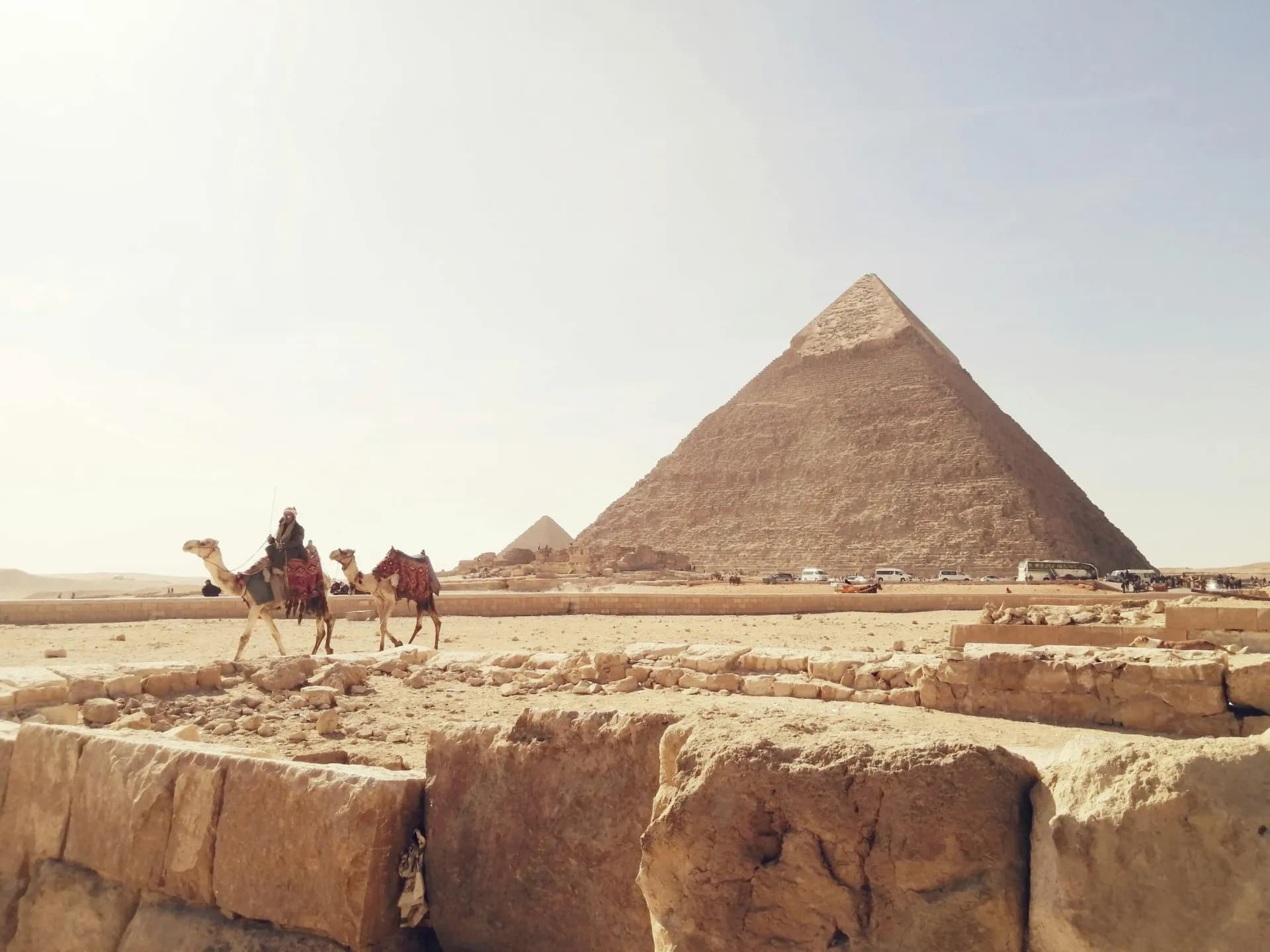
Rising from the Jordanian desert, Petra is one of humanity's most extraordinary achievements—an ancient city carved directly into rose-colored sandstone cliffs by the Nabataean people over 2,000 years ago. UNESCO calls it "one of the most precious cultural properties of man's cultural heritage," and visitors who walk through the narrow Siq canyon to witness the Treasury emerge from shadow into sunlight understand why this "lost city" consistently ranks among the world's most awe-inspiring destinations1.
Understanding Petra's History
The Nabataean Civilization
The Nabataeans were originally nomadic Arab people who settled in southern Jordan around the 6th century BCE. Their genius lay in water engineering—in one of the driest places on Earth, they built channels, dams, and cisterns that captured every drop of rain, enabling a city of 20,000 to flourish in the harsh desert environment2.
Key historical periods:
- 6th-4th century BCE: Nabataeans establish Petra as their capital and trading hub
- 1st century BCE - 1st century CE: Peak prosperity as caravan crossroads connecting Arabia, Egypt, and the Mediterranean
- 106 CE: Roman annexation under Emperor Trajan (city remains prosperous under Roman rule)
- 363 CE: Major earthquake damages the sophisticated water system, beginning decline
- 7th century CE: Byzantine decline leads to gradual abandonment
- 1812: Swiss explorer Johann Ludwig Burckhardt "rediscovers" Petra for the Western world
Trade and Wealth
Petra's wealth came from controlling the incense trade routes. Caravans carrying frankincense and myrrh from Yemen, spices from India, and silk from China all passed through Nabataean territory. The Nabataeans charged substantial tariffs and provided essential services: water, lodging, security. At their peak, they controlled trade from Damascus to the Red Sea.
Why Petra Captivates
- Architecture literally carved from living rock, not built upon it
- Rose-pink sandstone with swirling natural color patterns
- Dramatic entrance through narrow canyon (the Siq)
- Blend of Nabataean, Roman, Egyptian, and Greek architectural influences
- Engineering marvel of water management in the desert
- Indiana Jones filming location (The Last Crusade)
- Scale surprises—over 800 individual monuments spread across the site
- One of the New Seven Wonders of the World (2007)
Getting to Petra
From Amman
By car or private driver: 3-3.5 hours via the King's Highway (scenic route through villages and Crusader castles) or the Desert Highway (faster, more direct). Most travelers hire private drivers or join organized tours for convenience3.
By bus: JETT tourist buses run daily from Amman to Wadi Musa (the town at Petra's entrance). Booking ahead recommended during peak seasons.
Day trip consideration: Possible but extremely tiring and rushed—Petra truly deserves at least two full days of exploration.
From Aqaba/Wadi Rum
Wadi Rum: 1.5 hours drive. Many travelers intelligently combine Petra and Wadi Rum (Jordan's spectacular desert wilderness) in a single itinerary.
Aqaba: 2 hours drive. Red Sea resort city offering diving and beach relaxation.
From Israel
Day trips from Eilat are possible via the Wadi Araba border crossing. Organized tours simplify logistics considerably, but independent travel remains straightforward for experienced travelers.
Experiencing Petra
The Siq: Gateway to Wonder
Your journey begins at the Visitor Centre, walking through the Bab al-Siq (gateway) past intriguing Djinn Blocks and the elaborate Obelisk Tomb. Then the Siq—a 1.2 km natural geological gorge—narrows dramatically around you:
The walk experience:
- Walls rise 80+ meters on either side, creating a dramatic canyon
- Width narrows to just 3 meters at certain points
- Ancient water channels carved into walls remain visible
- Fragments of original Roman paving survive underfoot
- Takes 15-25 minutes at a comfortable, observant pace
- Morning light creates stunning effects on the rock walls
The legendary reveal: As the Siq ends, you catch your first glimpse of the Treasury through the narrow gap. This reveal is Petra's most photographed moment—the contrast of dark canyon opening suddenly to the rose-lit facade is genuinely breathtaking and worth every step.
The Treasury (Al-Khazneh)
Petra's most iconic monument stands 43 meters tall and 30 meters wide, carved directly into the sheer cliff face4:
Name origin: Local Bedouin believed the urn at the top contained a pharaoh's treasure—bullet holes from treasure hunters are still visible on the upper portions.
Actual purpose: Most likely a royal tomb, possibly for Nabataean King Aretas IV (reigned 9 BCE - 40 CE), one of Petra's most successful rulers.
Architecture: Remarkable Hellenistic facade blending Greek columns, Egyptian motifs, and Nabataean artistry. Carved top-down from the cliff using scaffolding.
Best photography times:
- Early morning (8-9 AM): Soft sunlight hits the facade, fewer crowds
- Mid-morning: Full sun illuminates all architectural details
- Late afternoon: Warm golden light creates dramatic shadows
- Petra by Night (Monday, Wednesday, Thursday): Magical candlelit atmosphere
Beyond the Treasury: The Full City
Most visitors photograph the Treasury and leave, missing 95% of what Petra offers. The ancient city extends for kilometers into the mountains5:
Street of Facades: Rows of tombs carved into cliffs, showing the range of architectural styles from simple to elaborate.
The Theatre: Roman-style amphitheater carved entirely into the hillside, seating approximately 3,000 spectators. Originally Nabataean, expanded by Romans.
Royal Tombs: Four elaborate facades on the eastern cliff face:
- Urn Tomb (with visible Byzantine church conversion inside)
- Silk Tomb (remarkable swirling stone patterns)
- Corinthian Tomb (badly weathered but architecturally significant)
- Palace Tomb (the largest facade in all of Petra)
Colonnaded Street: Roman-era main street with surviving column remains, leading to the Great Temple complex and other civic buildings.
The Monastery (Ad Deir): Petra's largest monument (50m wide, 45m tall), requiring 800+ stone steps to reach. Less ornate than the Treasury but far more impressive in scale. The climb takes 45-60 minutes up and the same down, but rewards with extraordinary views6.
High Place of Sacrifice: Mountain-top altar with panoramic views across the entire site. Challenging climb but spiritually significant and rewarding.
Petra by Night Experience
Three nights per week (Monday, Wednesday, Thursday), the Siq and Treasury are illuminated by over 1,500 candles creating a magical atmosphere7:
The experience: Walk the candlelit Siq to find the Treasury plaza filled with luminarias. Traditional Bedouin music performance and mint tea ceremony follow.
Practical notes:
- Separate ticket required (~17 JOD)
- Begins at 8:30 PM, lasts approximately 2 hours
- Photography is challenging (bring tripod or accept blur)
- Magical atmosphere despite tourist crowds
- Reviews are mixed—some find it transformative, others feel it's commercialized
Planning Your Visit
How Many Days to Allocate?
One day: Possible but feels rushed. You'll see the Siq, Treasury, Street of Facades, Theatre, and Royal Tombs. You'll miss the Monastery entirely.
Two days (recommended minimum): Day 1: Main sites through Colonnaded Street, Royal Tombs. Day 2: Monastery climb, High Place of Sacrifice, exploration of paths less traveled.
Three+ days: Time for alternative hiking trails, lesser-known monuments, experiencing multiple lighting conditions, and truly absorbing the overwhelming scale.
Best Time of Year
Optimal visiting periods: March-May and September-November
- Comfortable temperatures (15-25°C)
- Wildflowers bloom in spring
- Clear skies ideal for photography
Summer (June-August):
- Extreme heat (35-40°C+ common)
- Start at 6 AM opening, retreat during midday
- Significantly fewer tourists
- Lower prices
Winter (December-February):
- Cool to cold temperatures (5-15°C)
- Occasional rain (can temporarily close the Siq for safety)
- Low season with fewer crowds
- Flash flooding is a real risk
Practical Information
Entrance fees (2024):
- 1 day: 50 JOD (~$70 USD)
- 2 days: 55 JOD
- 3 days: 60 JOD
- Jordan Pass: Includes Petra entry plus visa fee—excellent value if visiting multiple Jordan sites8
Hours: 6 AM - 6 PM (summer), 6 AM - 4 PM (winter). Petra by Night separate evening admission.
Essential packing:
- Comfortable walking shoes (uneven, rocky terrain throughout)
- Sun protection (hat, sunscreen, quality sunglasses)
- 2+ liters of water (more in summer)
- Snacks (limited overpriced options inside the site)
- Cash for souvenirs, donkey/camel rides, tips
- Camera with extra battery and memory
Accommodation
Wadi Musa: The town adjacent to Petra offers hotels at all price points. Staying within walking distance of the entrance is strongly recommended.
Categories:
- Budget: Rocky Mountain Hotel, Valentine Inn
- Mid-range: Petra Guest House Hotel (closest to entrance), Petra Moon Hotel
- Luxury: Mövenpick Resort Petra (literally steps from the entrance gate)
- Unique: Cave accommodations in the surrounding area offer atmospheric stays
Guides
Hiring a knowledgeable guide significantly enhances understanding of what you're seeing9:
Benefits of guided visits:
- Deep historical and cultural context
- Navigate efficiently to highlights
- Find hidden spots away from crowds
- Stories and legends beyond any guidebook
Options:
- Official licensed guides at the Visitor Centre (various languages available)
- Hotel-arranged guides (often excellent)
- Pre-booked through reputable tour companies
Cost: Approximately 50-70 JOD for half-day, 80-100 JOD for full day.
Beyond Main Petra
Little Petra (Siq al-Barid)
A miniature version of Petra, located 9 km north of the main site10:
Features:
- Similar carved facades on smaller, more intimate scale
- Far fewer tourists visiting
- Rare painted Nabataean ceiling (surviving example)
- Free entrance
- Can be combined with main Petra visit
Best time: Late afternoon when tour groups have departed.
Hiking Trails
For adventurous visitors seeking more:
Wadi Muthlim (alternative entrance):
- Enter Petra via dramatic canyon route (guide required)
- Flash flood risk after any rain
- Authentic exploration feeling
Umm al-Biyara:
- Highest point in Petra (1,178m elevation)
- Challenging climb requiring good fitness
- Stunning panoramic views
- Iron Age remains at summit
Back trails to Monastery:
- Alternative routes from Little Petra
- Guide required for navigation
- Full-day adventure
Jordan Beyond Petra
Combining Destinations
Petra anchors most Jordan itineraries, but the country offers considerably more:
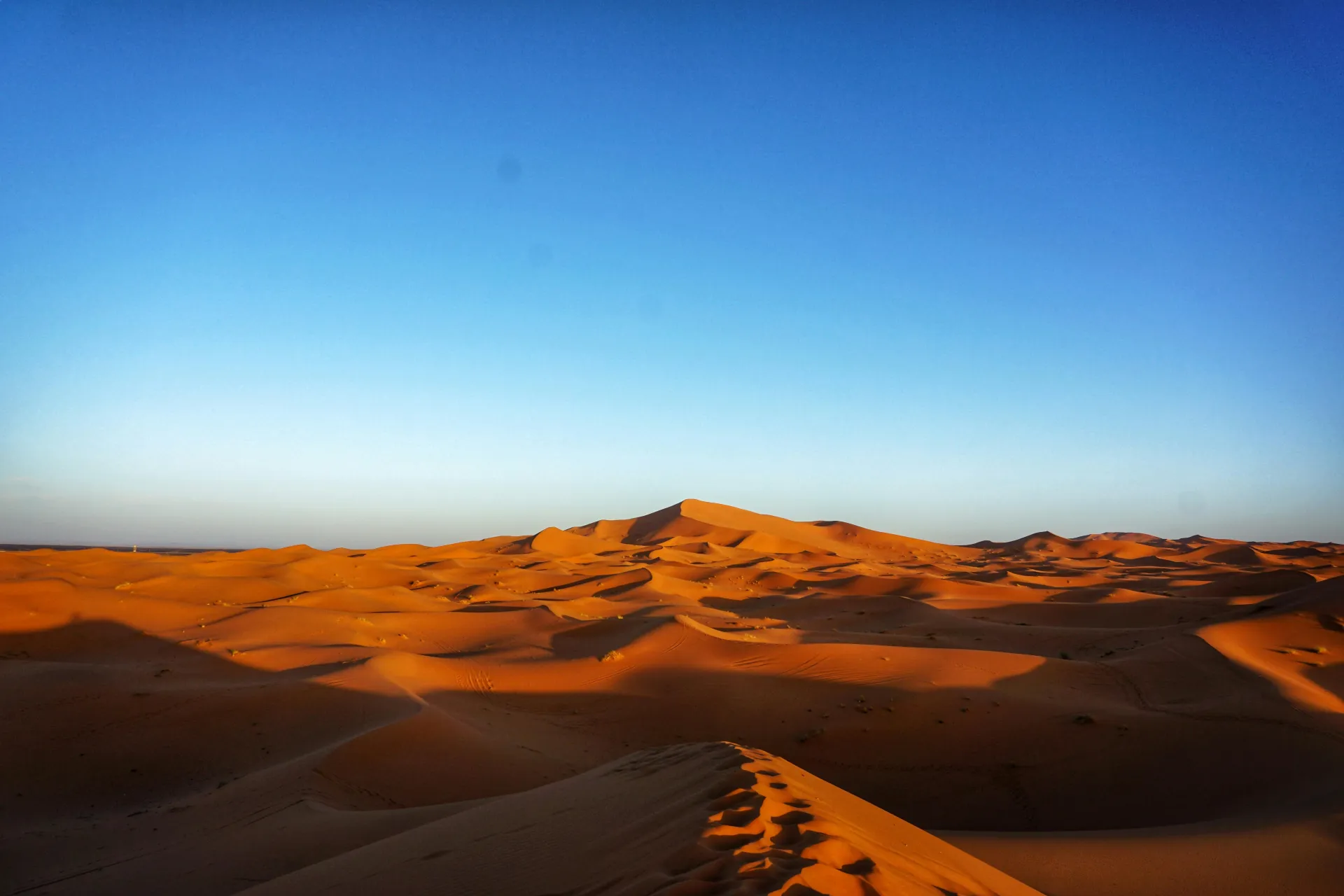
Wadi Rum (1.5 hours from Petra): Desert wilderness of red sand and towering sandstone cliffs. Jeep tours, camping under stars, Lawrence of Arabia landscapes. Minimum one night strongly recommended11.
Dead Sea (2 hours): Float effortlessly in the world's saltiest body of water, 430 meters below sea level. Luxury resorts and public day facilities available.
Amman: Jordan's capital city, blending ancient remains (Roman Theatre, Citadel) with modern neighborhoods (Rainbow Street, excellent food scene).
Jerash: One of the best-preserved Roman provincial cities outside Italy. Easy day trip from Amman.
Aqaba: Red Sea resort town offering diving, snorkeling, and beach relaxation.
Sample Jordan Itinerary (7 Days)
- Day 1: Arrive Amman, explore the capital
- Day 2: Jerash day trip, drive south via scenic King's Highway
- Days 3-4: Petra (full two-day exploration)
- Day 5: Wadi Rum (overnight desert camp experience)
- Day 6: Dead Sea resort
- Day 7: Amman, departure
Final Thoughts
Petra earned its place among the New Seven Wonders of the World not through marketing but through genuinely transformative encounters. The first glimpse of the Treasury emerging from the Siq silences even the most jaded travelers. The scale—this isn't one monument but an entire carved city—takes days to fully comprehend. And the engineering genius of the Nabataeans, who made the desert bloom and created enduring beauty from solid rock, reminds us of human potential at its finest.
Come prepared for crowds at the Treasury and tourist infrastructure throughout. But walk past the main path, climb to the Monastery, explore the Royal Tombs at sunset, and Petra reveals itself as it has for millennia—an impossible city, rose-red and otherworldly, carved from dreams into eternal stone.
Ready for Jordan? Our Middle East specialists can design your perfect Petra adventure combined with Wadi Rum and the Dead Sea.
---
Sources
1. UNESCO - Petra World Heritage
4. Lonely Planet - The Treasury
5. World Heritage Site - Petra
6. Atlas Obscura - The Monastery
8. Jordan Pass