Egypt: Where Civilization Began
Egypt occupies a unique place in human history—the oldest tourist destination on Earth, drawing travelers since ancient Greeks marveled at the pyramids already two thousand years old. The pharaonic monuments remain staggering in scale, the Nile flows as it has for millennia, and Cairo buzzes with the energy of a megacity built on 5,000 years of continuous civilization. This is where humanity learned to build for eternity1.
Understanding Egypt
Why Egypt Captivates
- Ancient monuments that define human achievement
- The Pyramids of Giza—sole surviving Ancient Wonder
- Nile River cruises through living history
- Valley of the Kings' royal tombs
- World-class archaeology museums
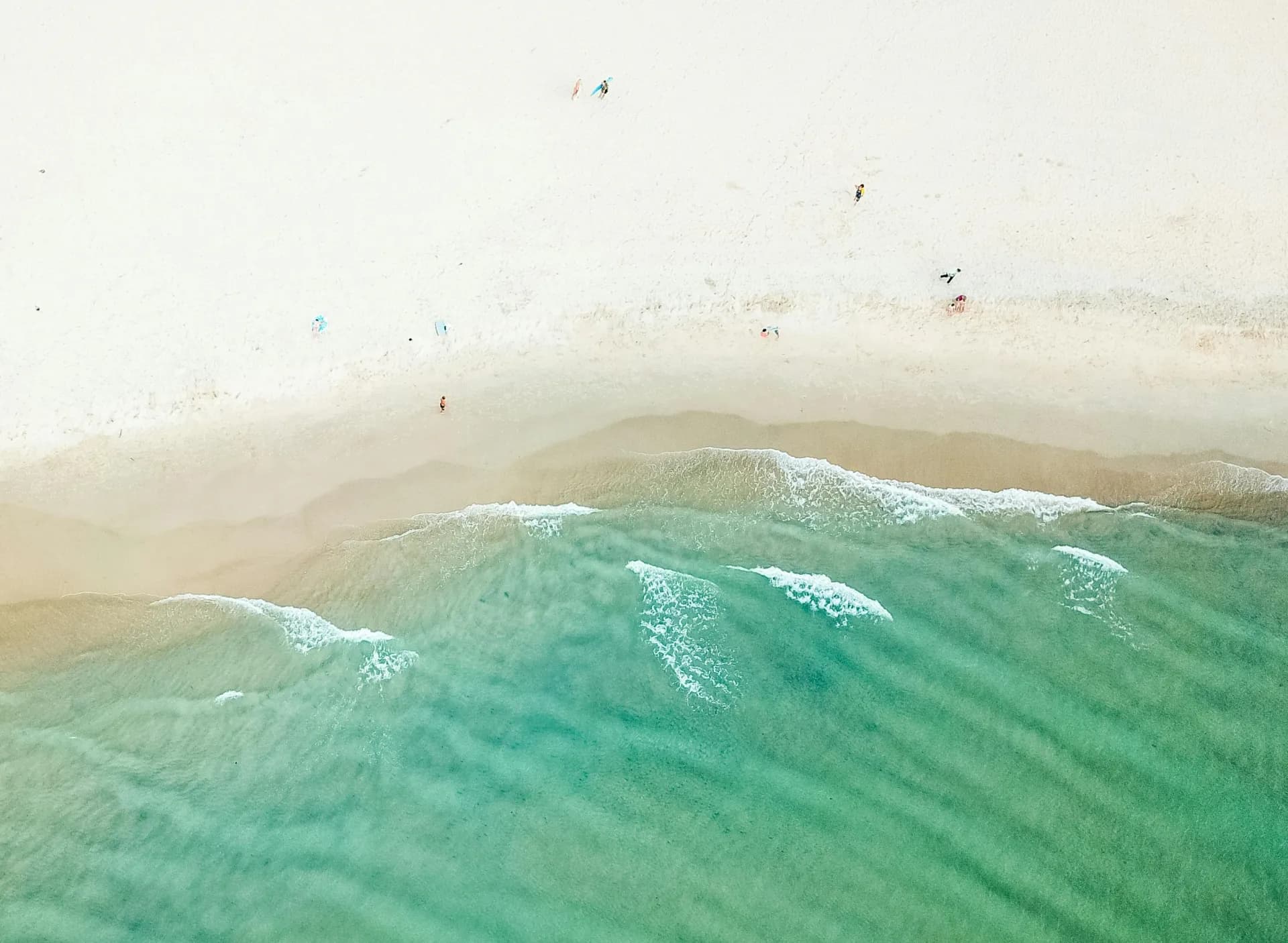
- Red Sea diving and beaches
- Islamic Cairo's medieval architecture
- Exceptional value for travelers
The Geography
Cairo & Giza: Capital megacity, Pyramids, Egyptian Museum.
Luxor & Upper Egypt: Valley of the Kings, Karnak Temple, Nile cruises.
Aswan & Nubia: Southern Egypt, Abu Simbel, island temples.
Red Sea Coast: Hurghada, Sharm el-Sheikh—beaches and diving.
Alexandria: Mediterranean port city, Greco-Roman heritage2.
Best Time to Visit
Peak Season (October-April)
- Cooler temperatures ideal for sightseeing
- October-November and March-April are optimal
- December-February cooler (can be cold at night in desert)
- Higher prices, larger crowds at monuments
- Best Nile cruise season
Summer (May-September)
- Extreme heat (40-45°C in Luxor and Aswan)
- Low season with significantly fewer tourists
- Beach destinations comfortable (sea breezes)
- Budget deals available
- Some tours still operate early morning
Shoulder Considerations
- Ramadan affects services (dates vary annually)
- Egyptian holidays (Eid) create local crowds
- Red Sea resorts popular year-round for diving
Cairo & the Pyramids
The Pyramids of Giza
The last surviving Ancient Wonder of the World still inspires awe3:
The Great Pyramid (Khufu): The oldest and largest—146 meters tall, 2.3 million stone blocks. Interior chambers accessible (additional ticket, cramped passages).
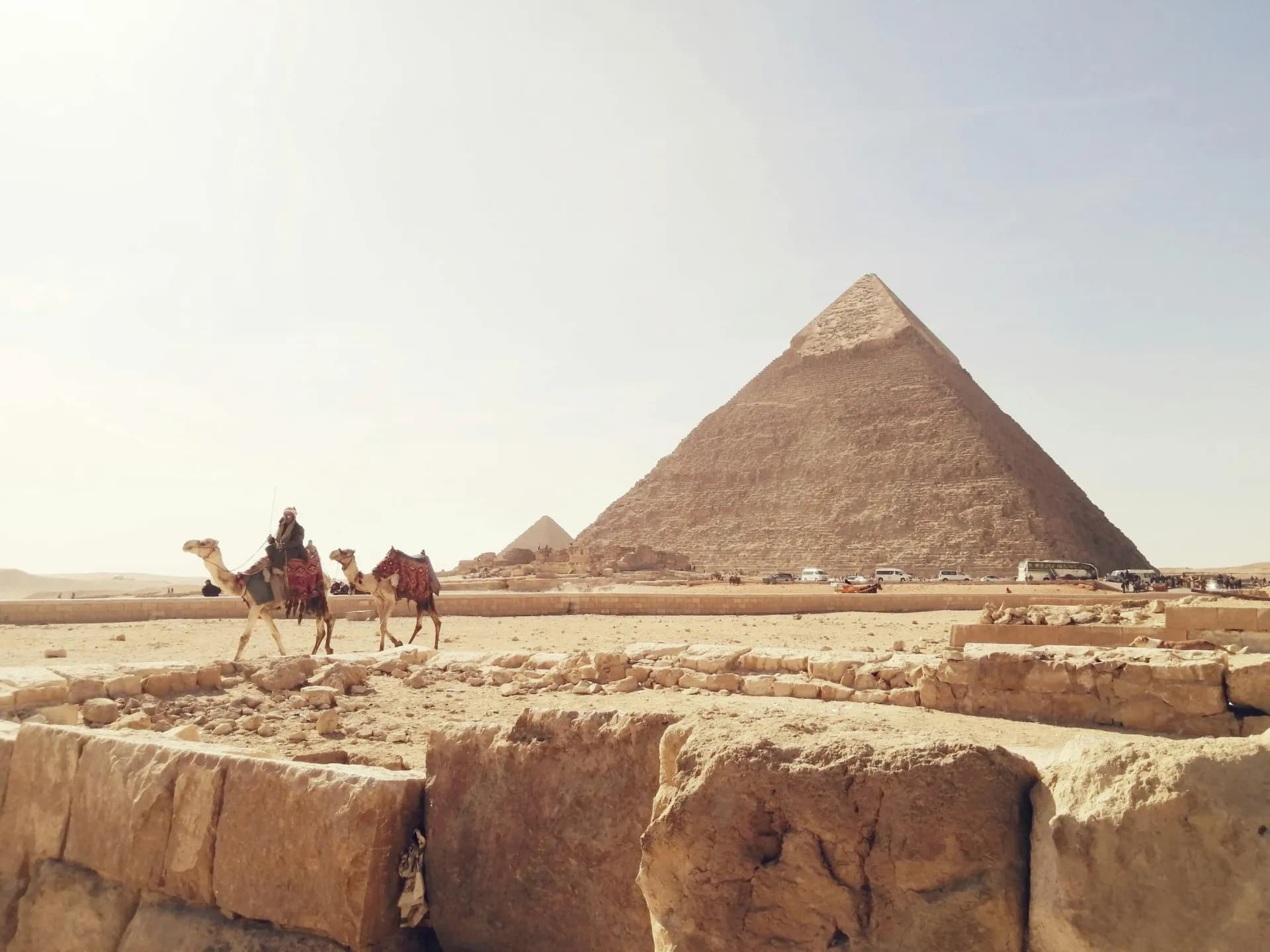
Pyramid of Khafre: Appears taller due to elevation. Retains some original casing stones at apex.
Pyramid of Menkaure: Smallest of the three. Deepest burial chamber.
The Sphinx: The enigmatic lion-body, human-head guardian. Sound and Light show evenings.
Visiting Tips:
- Enter at opening (8 AM) to beat heat and crowds
- Hire a guide for context (or book ahead)
- Interior pyramid tickets limited daily—buy early
- The panoramic viewpoint best captures all three
- Watch for scam artists and aggressive vendors
- Horse/camel rides available (negotiate firmly)
Saqqara & Memphis
Saqqara: Step Pyramid of Djoser—Egypt's first pyramid and the world's oldest monumental stone structure. Less crowded than Giza. Beautifully restored4.
Memphis: Ancient capital, now an open-air museum with colossal Ramesses II statue.
Dahshur: Red Pyramid and Bent Pyramid—early pyramid development stages. Few tourists, descend into chambers.
Egyptian Museum (Cairo)
The world's greatest collection of pharaonic artifacts:
Highlights:
- Tutankhamun's gold death mask and treasures
- Royal Mummy Room
- Amarna Period artifacts
- 120,000+ items spanning 5,000 years
Practical notes:
- Allow 3-4 hours minimum
- Photography restrictions on some items
- The Grand Egyptian Museum (GEM) near the Pyramids is scheduled to open soon—check current status5
Islamic Cairo
Medieval Cairo's mosques, madrasas, and bazaars:
Al-Azhar Mosque: One of the world's oldest universities (970 CE). Visitors welcome outside prayer times.
Khan el-Khalili: The legendary bazaar dating to 1382. Copper, spices, jewelry, everything. Aggressive selling but essential experience.
Citadel of Saladin: Fortress complex with Muhammad Ali Mosque ("Alabaster Mosque") and panoramic city views.
Coptic Cairo: Christian quarter with ancient churches, Ben Ezra Synagogue, Coptic Museum.
Luxor: World's Greatest Open-Air Museum
East Bank: The Living
Karnak Temple Complex: The largest ancient religious site ever built. Construction spanned 2,000 years. The Great Hypostyle Hall's 134 massive columns overwhelm6.
Luxor Temple: Magnificently lit at night. Connected to Karnak by the recently restored Avenue of Sphinxes.
Luxor Museum: Beautifully displayed finds from the region—quality over quantity.
West Bank: The Dead
The pharaohs built their tombs across the river, in the "land of the dead":
Valley of the Kings: 63 royal tombs cut into desert mountains. Tutankhamun's tomb is small but famous. Ramesses IV and Seti I tombs more impressive. Rotation system—not all open daily7.
Valley of the Queens: Nefertari's tomb (additional ticket) features Egypt's most beautiful painted walls.
Hatshepsut Temple (Deir el-Bahri): Female pharaoh's mortuary temple carved into cliffs. Dramatic setting.
Colossi of Memnon: Twin statues, 18 meters tall, originally guarding Amenhotep III's temple.
Medinet Habu: Ramesses III's mortuary temple with vivid colored reliefs.
Hot Air Balloons
Sunrise balloon rides over the West Bank offer spectacular views of temples, valleys, and desert meeting cultivation8.
Aswan & Abu Simbel
Aswan
Egypt's most relaxed city sits at the Nile's first cataract:
Philae Temple: Temple of Isis relocated to an island after the Aswan Dam. Reached by boat. Sound and Light show evenings.
Felucca sailing: Traditional wooden sailboats offer the authentic Nile experience. Sunset cruises around Elephantine Island.
Nubian villages: Colorful houses, distinct culture, warm hospitality. Visit by boat or camel.
Aswan High Dam: Engineering achievement creating Lake Nasser.
Abu Simbel
Ramesses II's greatest monument, 280 km south of Aswan9:
The temples: Four colossal statues (20 meters) guard the entrance. Interior halls with reliefs depicting the Battle of Kadesh.
The rescue: UNESCO relocated the entire temple 65 meters up to save it from Lake Nasser. Engineering miracle.
Getting there:
- Fly from Aswan (30 minutes)
- Convoy road trip (3 hours each way, very early departure)
- Lake Nasser cruise ships
Sun festival: Twice yearly (February 22, October 22), the rising sun illuminates the inner sanctuary—massive crowds.
Nile Cruises
The Classic Experience
Sailing the Nile between Luxor and Aswan remains Egypt's most iconic experience:
Route: Most cruises run 3-4 nights Luxor-Aswan (or reverse). 7-night options add more stops10.
Typical stops:
- Esna Temple (lock passage)
- Edfu Temple (best-preserved Egyptian temple)
- Kom Ombo (twin temple, crocodile museum)
Ship categories:
- Budget boats: Basic, large groups, lower prices
- Premium boats: Better food, smaller groups, more comfortable
- Luxury boats: Fine dining, fewer passengers, premium service
- Dahabiyas: Traditional sailing boats, intimate, exclusive
Booking: Book ahead for peak season. Quality varies widely—research specific boats.
Red Sea Coast
Diving & Beaches
Egypt's Red Sea offers world-class diving at reasonable prices:
Sharm el-Sheikh: Major resort hub on Sinai Peninsula. Ras Mohammed National Park, Tiran Island diving11.
Hurghada: Mainland resort town, less attractive but good diving operations.
Dahab: Laid-back alternative, famous Blue Hole dive site, budget-friendly.
Marsa Alam: Quieter southern resort, dugong sightings, excellent reef diving.
What You'll See
- Pristine coral reefs
- Hundreds of fish species
- Dolphins, occasionally whale sharks
- Historic wrecks including SS Thistlegorm
- Excellent visibility (20-40 meters common)
Practical Information
Getting There & Around
Flights: Cairo main international gateway. Luxor, Aswan, Sharm el-Sheikh, and Hurghada have international connections.
Domestic flights: Affordable and efficient between main cities (EgyptAir, Nile Air).
Trains: Connect Cairo, Luxor, and Aswan. First-class sleeper trains available for overnight journeys12.
Private transport: Drivers and guides common for independent travelers. Arrange through hotels.
Public transport: Local buses cheap but challenging for non-Arabic speakers.
Costs
Egypt offers excellent value:
- Budget: $30-50/day (hostels, street food, buses)
- Mid-range: $80-150/day (3-star hotels, guides, internal flights)
- Luxury: $200-400/day (5-star hotels, private guides, premium cruises)
Note: Major sites have high entrance fees for foreigners ($20-30 each). Combined passes available.
Currency
Egyptian Pound (EGP). Approximately 50 EGP = $1 USD. Cash preferred at many places. ATMs available in cities.
Safety & Etiquette
Safety: Tourist areas well-protected. Avoid Sinai interior and Western Desert borders. Check current advisories.
Dress: Modest dress respectful (cover shoulders and knees, especially women). Required for mosque entry.
Photography: Many sites charge for cameras. Ask before photographing people.
Tipping (baksheesh): Expected everywhere—guards, guides, porters, bathroom attendants. Small bills essential.
Scams: Common around tourist sites. Agree prices before services. Be firm but polite.
Health
- Heat: Serious concern—stay hydrated, use sun protection, plan midday breaks
- Water: Drink bottled only
- Food: Exercise normal caution with street food
- Stomach issues: Common—bring remedies
Sample Itineraries
Classic Egypt (10 Days)
- Cairo (3 days): Pyramids, Saqqara, Egyptian Museum, Islamic Cairo
- Fly to Luxor
- Nile cruise to Aswan (4 days): Temples en route
- Abu Simbel day trip from Aswan
- Fly to Cairo for departure
Comprehensive Egypt (2 Weeks)
- Cairo (3 days): Full exploration
- Train to Alexandria (1 day): Greco-Roman heritage
- Return to Cairo, fly to Luxor
- Luxor (2 days): East and West Banks, hot air balloon
- Cruise to Aswan (3 days)
- Aswan (2 days): Abu Simbel, Nubian villages
- Red Sea extension (2 days): Beach, diving
Express Egypt (7 Days)
- Cairo (2 days): Pyramids, museum highlights
- Fly to Luxor (2 days): Key temples and tombs
- Fly to Aswan (2 days): Philae, felucca, Abu Simbel
- Return to Cairo
Final Thoughts
Egypt humbles. Standing before monuments that ancient Greeks considered old, watching the sun rise over the Nile as it has for millennia, descending into tombs painted 3,000 years ago—Egypt connects you to the full sweep of human civilization. Yes, the hustle can exhaust. The heat can overwhelm. The bureaucracy can frustrate. But these are minor prices for encounters with eternity. The pharaohs built for immortality, and they achieved it. Come pay your respects.
Ready for Egypt? Our Egypt specialists can design your journey along the Nile from pyramids to temples.
---
Egyptian Culture & Society
Modern Egypt
Beyond ancient monuments, Egypt is a vibrant, complex modern nation:
Population: Over 100 million people, making Egypt the Arab world's most populous country. Cairo alone holds 20+ million.
Religion: Predominantly Muslim (90%), with a significant Coptic Christian minority (10%) whose traditions predate Islam.
Language: Arabic is official. Egyptian Arabic differs from Gulf and Levantine dialects. English is common in tourism; French was historically significant.
Daily Life & Customs
Social structure: Family remains central to Egyptian life. Respect for elders is paramount.
Hospitality: Egyptians take hospitality seriously. Offers of tea may seem frequent but are genuine expressions of welcome.
Dress codes: Modest dress is appreciated everywhere. Women should cover shoulders and knees; headscarves may ease interactions at religious sites.
Ramadan: The holy month transforms daily life. Daytime fasting means many restaurants close until iftar (sunset meal). Evening streets come alive with breaking fast celebrations.
Coptic Christianity
Egypt's Christian community traces its origins to St. Mark's mission in Alexandria (1st century CE):
Churches: Hanging Church (Cairo), St. Catherine's Monastery (Sinai), and ancient churches throughout the country preserve early Christian heritage.
Art and architecture: Coptic art developed distinctive styles seen in textiles, icons, and architecture.
Christmas: Coptic Christmas (January 7) is a public holiday celebrated with church services and family gatherings.
Beyond the Pharaohs
Alexandria
Founded by Alexander the Great in 331 BCE, Alexandria was once the Mediterranean's greatest city:
Historical significance: The Lighthouse and Library of Alexandria were ancient wonders. Cleopatra ruled from here.
Modern attractions: Bibliotheca Alexandrina (modern library), Catacombs of Kom el-Shoqafa, Citadel of Qaitbay, and Mediterranean seafront.
Day trip: 3 hours from Cairo by train or car. Often overlooked but historically essential.
Sinai Peninsula
Between Africa and Asia, Sinai offers distinct experiences:
Mount Sinai: Where Moses received the Ten Commandments (tradition holds). Pre-dawn hikes reach the summit for sunrise.
St. Catherine's Monastery: Continuously operating since 6th century CE. Home to ancient manuscripts and the claimed Burning Bush.
Beach resorts: Sharm el-Sheikh and Dahab offer Red Sea diving, snorkeling, and beach life.