New York City: Beyond the Tourist Trail
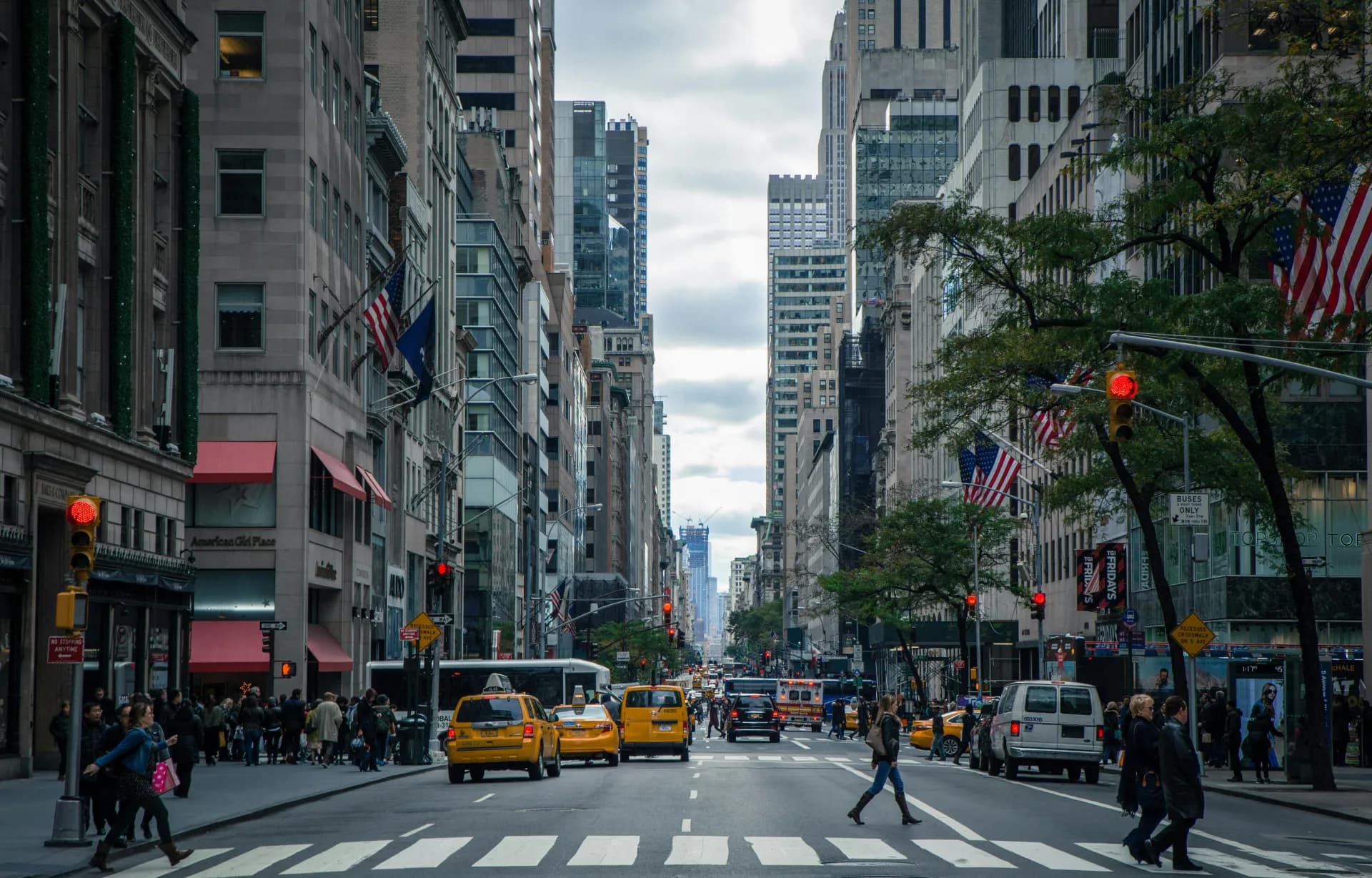
New York City welcomed 62.2 million visitors in 2024, surpassing pre-pandemic records and cementing its position as America's most visited city1. Eight million residents speaking 120+ languages coexist on these 302 square miles, creating a metropolis where virtually every human culture, cuisine, and art form finds expression. The city rewards curiosity—look up at architecture, turn down side streets, strike up conversations. The NYC that matters most exists beyond Times Square.
Understanding NYC's Geography
New York City comprises five boroughs, each distinct in character. Manhattan remains the tourist center, but authentic New York increasingly means Brooklyn, Queens, and beyond2.
Manhattan Neighborhoods (South to North)
Financial District/FiDi holds Wall Street, the 9/11 Memorial & Museum (arrive early or late to avoid crowds), and ferries to the Statue of Liberty and Ellis Island (book ahead, especially crown access). The Oculus transit hub and One World Observatory add modern spectacle.
TriBeCa/SoHo preserve cobblestone streets and cast-iron architecture now housing galleries, boutiques, and celebrity restaurants. Weekend crowds pack SoHo's shopping streets; TriBeCa remains calmer.
Chinatown remains one of the largest Chinese communities outside Asia—dim sum, hand-pulled noodles, and Asian markets span dozens of blocks. Neighboring Little Italy has shrunk to a few blocks of tourist-oriented restaurants; avoid for authentic Italian food.
Lower East Side transformed from immigrant tenements to hip bars, galleries, and the Tenement Museum. Essex Market modernized into upscale food hall; Katz's Delicatessen serves pastrami since 1888.
East Village/West Village epitomize downtown charm—jazz clubs (Village Vanguard since 1935), comedy clubs, tree-lined streets, NYU energy, and some of Manhattan's best restaurants. Greenwich Village's historic townhouses and Washington Square Park anchor the area.
Chelsea combines the High Line elevated park, 200+ contemporary art galleries (mainly 20th-27th Streets), Chelsea Market food hall, and diverse nightlife.
Midtown concentrates tourist attractions: Empire State Building, Rockefeller Center, Times Square (experience once, briefly), Grand Central Terminal, Broadway theaters, MoMA, and corporate headquarters. Efficient rather than charming.
Upper West Side offers Lincoln Center performances, the American Museum of Natural History, Riverside Park, and classic pre-war apartment buildings along Central Park West.
Upper East Side houses Museum Mile (Metropolitan Museum, Guggenheim, Neue Galerie, Jewish Museum), old-money elegance, Madison Avenue luxury shopping, and Central Park's eastern edge.
Harlem celebrates African American history and culture—the Apollo Theater, Sylvia's soul food, jazz heritage, brownstone architecture, and increasingly diverse dining and nightlife. Sunday gospel services at Abyssinian Baptist Church draw visitors (arrive early, dress respectfully).
Beyond Manhattan
Brooklyn (2.7 million people) rivals Manhattan for dining, culture, and neighborhoods. Williamsburg combines hipster excess with genuine creativity. DUMBO's waterfront offers Manhattan skyline views. Park Slope provides family-friendly brownstone streets. Prospect Park (Olmsted and Vaux's masterpiece) is arguably superior to Central Park. Coney Island delivers vintage amusement; Brooklyn Museum and Brooklyn Botanic Garden rival Manhattan institutions3.
Queens is the world's most diverse county—ethnic enclaves from 120+ countries provide authentic cuisines impossible elsewhere. Flushing's Chinese community rivals any outside Asia. Jackson Heights combines South Asian and Latin American cultures. Long Island City's waterfront parks face Manhattan. MoMA PS1 exhibits cutting-edge contemporary art.
The Bronx holds Yankee Stadium, the world-class Bronx Zoo, New York Botanical Garden, and Arthur Avenue (authentic Italian, not Little Italy's tourist version). Hip-hop was born here; street art culture thrives.
Staten Island rewards the free ferry ride—25 minutes of Statue of Liberty views that tourists pay $25+ to glimpse from boats. The island itself offers the Snug Harbor Cultural Center and beaches.
Best Time to Visit
Spring (April-June)
Arguably best overall: temperatures average 15-25°C, Central Park blooms with cherry blossoms (peak typically mid-April), outdoor cafés reopen, and street life returns after winter. May and June bring Tribeca Film Festival and Museum Mile Festival.
Fall (September-November)
Equally excellent: crisp weather (15-20°C), fall foliage in Central Park (peak late October-early November), cultural season launches with new theater and exhibitions, and Fashion Week adds energy. Book Broadway and popular restaurants further ahead during UN General Assembly (late September).
Winter (December-February)
December offers holiday magic—Rockefeller Center tree, department store windows, Radio City Christmas Spectacular, New Year's Eve in Times Square (avoid unless committed to standing 8+ hours in cold). January-February bring cheapest hotels and emptiest museums, but temperatures drop to 0°C with occasional snow.
Summer (July-August)
Hot and humid (30°C+) with periodic thunderstorms. New Yorkers flee to the Hamptons; visitors face fewer crowds at some attractions. Outdoor concerts (Central Park SummerStage), Shakespeare in the Park (free, lottery tickets), and rooftop bars compensate. Broadway offers summer discounts.
The Non-Negotiables
Central Park
Frederick Law Olmsted and Calvert Vaux's 843-acre masterpiece (1858) provides Manhattan's green lungs4. Beyond obvious Bethesda Fountain and Bow Bridge:
The Ramble (36 acres) creates wild woodland in the middle of Manhattan—excellent birding (over 270 species recorded), winding paths, and unexpected solitude.
Conservatory Garden at 105th Street offers formal gardens rarely crowded, especially weekday mornings.
Belvedere Castle provides the park's best views from its rocky perch.
The Reservoir (Jacqueline Kennedy Onassis Reservoir) offers 1.58-mile running track with skyline views.
North Woods and The Pool near 100th Street create remote-feeling forest and stream.
The High Line
This elevated park on a former freight rail line transformed Manhattan's west side5. The 1.45-mile path runs from Gansevoort Street to 34th Street through cutting-edge architecture, public art, and native plantings. Strategic tips:
Walk north to south for better Hudson River views and gentle downhill.
Visit at sunset for dramatic light through the Hudson Yards architecture.
Enter at less-crowded access points (14th, 23rd Streets) rather than 34th or Gansevoort.
Chelsea Market provides climate-controlled break and excellent food hall.
Museums
NYC's museums could occupy months of focused visiting6:
Metropolitan Museum of Art ranks among the world's greatest—2 million works spanning 5,000 years. The suggested donation policy (technically any amount) makes it accessible. Plan 2-4 hours per visit, returning for different collections.
MoMA (Museum of Modern Art) houses Van Gogh's Starry Night, Picasso's Demoiselles d'Avignon, and modern masters. The 2019 expansion added galleries and confusion; grab a map.
Whitney Museum of American Art occupies stunning Renzo Piano building with outdoor terraces overlooking the High Line and Hudson.
American Museum of Natural History spans 45 exhibition halls including dinosaurs, the Hayden Planetarium, and classic dioramas. Allow 3-4 hours; Friday evenings extend hours.
The Cloisters (northern Manhattan) houses medieval art in a reconstructed monastery—peaceful alternative to crowded midtown museums. Same-day Met tickets provide admission.
Tenement Museum reveals immigrant history through preserved Lower East Side apartments—guided tours only, book ahead7.
9/11 Memorial & Museum
The memorial pools occupy the original Twin Towers footprints, with all 2,983 victims' names inscribed around the edges. The underground museum documents September 11, 2001, through artifacts, testimony, and recovered materials. Allow 2-3 hours; emotional impact is significant. Timed tickets required for museum8.
Statue of Liberty & Ellis Island
Reserve tickets 2-3 months ahead for pedestal or crown access; standard grounds tickets available shorter-term. Ellis Island's immigration museum rewards 2-3 hours—search the database for ancestor records. Ferries depart from Battery Park (Manhattan) or Liberty State Park (New Jersey, often shorter lines).
Food: The Real NYC Experience
Neighborhood Food Crawls
Flushing, Queens (Chinese)
NYC's best Chinese food exists 30 minutes from Times Square. Take the 7 train to Main Street:
Hand-pulled noodles at Lanzhou (spicy lamb, hand-ripped)
Soup dumplings (xiao long bao) at Nan Xiang Xiao Long Bao
Sichuan at Chengdu Heaven
Night market food at New World Mall basement food court (late nights, weekend crowds)
Jackson Heights, Queens (Global)
The world's most diverse few blocks:
Momos (Tibetan dumplings) at Himalayan Yak or Phayul
Colombian at Cositas Ricas
Indian sweets and chaat along 74th Street
Arthur Avenue, Bronx (Italian)
Where actual New Yorkers buy Italian:
Fresh pasta at Borgatti's Ravioli & Egg Noodles
Legendary sandwiches at Mike's Deli in the Arthur Avenue Market
Pastries at Madonia Brothers Bakery (since 1918)
Manhattan Essentials
Katz's Delicatessen (Lower East Side): Pastrami since 1888. Yes, that When Harry Met Sally scene was filmed here. Cash only, learn the ticket system, expect lines9.
Russ & Daughters (Lower East Side): Lox, bagels, and appetizing since 1914. The café next door offers seated service.
Joe's Pizza (West Village): The standard for classic NYC slices.
Xi'an Famous Foods (multiple locations): Hand-pulled noodles, spicy cumin lamb, and Biang Biang noodles from the Western China tradition.
Levain Bakery (multiple locations): Six-ounce cookies that define indulgence.
Pizza Philosophy
NYC pizza debates are serious. For classic slices:
Joe's Pizza (West Village): Thin, foldable, quintessential
Di Fara (Brooklyn): Legendary, worth the trip and wait
Lucali (Carroll Gardens, Brooklyn): Dinner only, cash only, BYOB, sublime
Prince Street Pizza (NoLita): Pepperoni square (pepperoni cuppin')
Scarr's Pizza (Lower East Side): House-milled flour, retro vibe
Reservations Required
For popular restaurants, book on Resy 30 days ahead at midnight, or Tock for some establishments:
Carbone (Greenwich Village): Italian-American excess, celebrity scene, $200/person
Via Carota (West Village): Perfect Italian, reasonable prices, always packed
Dhamaka (Lower East Side): Indian regional cuisine that changed NYC dining
Cote (Flatiron): Korean steakhouse, USDA Prime, precise service
Nightlife & Culture
Broadway
The Theater District houses 41 theaters along 42nd-53rd Streets10. Strategies:
Book 2-3 months ahead for hits (Wicked, The Lion King, Hamilton).
TKTS booth (Times Square, Lincoln Center, or Brooklyn) sells same-day tickets at 20-50% off—lines shortest at Brooklyn.
Lottery and rush tickets offer day-of access to sold-out shows.
Off-Broadway and Off-Off-Broadway often provide more interesting theater at lower prices.
Live Music
Jazz: Village Vanguard (legendary since 1935), Blue Note (tourist-friendly, great acts), Smalls (intimate, late nights, affordable), Dizzy's Club at Lincoln Center (views + music)
Rock/Indie: Bowery Ballroom (beloved mid-size), Brooklyn Steel (larger, excellent sound), Music Hall of Williamsburg (intimate)
Classical: Lincoln Center (multiple venues, free Juilliard concerts), Carnegie Hall (bucket list venue), Bargemusic (floating chamber music in Brooklyn)
Speakeasies & Cocktail Bars
PDT (East Village): Enter through phone booth in hot dog shop
Death & Co (East Village): Original craft cocktail temple
Employees Only (West Village): Psychic at entrance, serious bartending
Attaboy (Lower East Side): No menu, trust the bartender
The Dead Rabbit (FiDi): Irish pub perfection, multiple floors
Practical Tips
Transportation
Subway remains fastest for most trips—$2.90 per ride, unlimited weekly ($34) or 7-day passes available. Download OMNY app or use contactless payment11. Express vs. local trains matter; check maps.
Walking is essential—neighborhoods reveal themselves on foot. Manhattan is roughly 2 miles wide and 13 miles long; most tourist areas cluster in a 6-mile stretch.
Taxis/Rideshare: Yellow cabs (tip 15-20%), Uber/Lyft available. Expect heavy traffic; subway often faster.
Avoid: Driving in Manhattan (parking nightmare, traffic eternal), Times Square pedestrian areas.
Money-Saving Strategies
CityPASS or New York Pass bundles attractions at ~40% savings if you're seeing 4+ included sights.
Free museums: Many offer free/pay-what-you-wish times—Met (always pay-what-you-wish for NY residents), MoMA (Friday evenings), Brooklyn Museum (first Saturdays).
Cheap eats: $1 pizza slices, Chinatown dumplings, food carts, and halal cart platters ($6-8) beat tourist restaurants.
Free entertainment: Shakespeare in the Park (summer lottery), concerts in Central Park, walking tours, Staten Island Ferry views.
Safety
New York is statistically safer than most American cities. Standard urban precautions apply: be aware of surroundings, secure valuables, avoid isolated areas late at night. The subway is safe but more incidents occur late at night—use populated cars.
Day Trips
Hudson Valley (1-2 hours): Storm King Art Center sculpture park, Dia:Beacon contemporary art, hiking at Bear Mountain, historic mansions, and fall foliage drives.
The Hamptons/North Fork (2-3 hours): Beaches, vineyards, farm stands, and celebrity-spotting on Long Island's east end. June-August peak season requires advance planning.
Philadelphia (2 hours by train): Independence Hall, Museum of Art, cheesesteaks, and a distinctly different American city.
Washington, D.C. (4 hours by train): Smithsonian museums (free!), monuments, and political history.
Final Thoughts
New York overwhelms by design—the intensity is the point. Accept that you can't see everything; embrace the randomness. The best NYC experiences often arrive unplanned: a jazz musician in a subway station, a hole-in-the-wall restaurant discovered while lost, a conversation with a stranger that shifts your perspective.
The city doesn't care if you're impressed, which is precisely why it impresses. Come ready to walk until your feet ache, eat until you burst, and discover why eight million people choose to live in this beautiful, maddening, essential place.
Planning a NYC trip? Our NYC specialists can create an itinerary that balances must-sees with neighborhood experiences the guidebooks don't know about.
Sources
1. NYC & Company Tourism Statistics - Visitor numbers
2. NYC Department of City Planning - Demographics
3. Visit Brooklyn - Borough guide
4. Central Park Conservancy - Park information
5. The High Line - Park guide
6. Metropolitan Museum of Art - Museum information
7. Tenement Museum - Historic site
8. 9/11 Memorial & Museum - Memorial information
9. Katz's Delicatessen - Restaurant
10. Broadway League - Theater information
11. MTA New York City Transit - Transportation