Paris: Finding Magic Beyond the Tourist Trail
Paris welcomed over 44 million visitors in 2024, retaining its position as the world's most visited city1. The numbers are staggering: 16 million Eiffel Tower viewers, 8 million Louvre visitors, countless croissants consumed. Yet the Paris of Instagram crowds and overpriced cafés near major monuments barely scratches the surface of this endlessly fascinating city. The real Paris exists in neighborhood bakeries, hidden courtyards, and conversations over natural wine—and finding it requires venturing just a few blocks beyond the beaten path.
Understanding Paris by Arrondissement
Paris is organized into 20 arrondissements spiraling clockwise outward from the center like a snail shell. This medieval pattern shapes the city's character: the 1st sits at the heart, the 20th on the eastern edge. Each arrondissement has distinct personality forged over centuries2.
Classic Central Paris (1st-8th)
The 1st arrondissement holds the geographic and historic heart: the Louvre, Tuileries Gardens, Palais Royal, and Île de la Cité (Notre-Dame). Tourist density peaks here, but so does architectural splendor.
The 2nd arrondissement preserves 19th-century covered passages (passages couverts) and traditional food merchants. The area between Grands Boulevards and République feels unexpectedly authentic.
The 3rd and 4th arrondissements comprise Le Marais, spanning medieval Jewish quarter, trendy boutiques, gay nightlife, and world-class museums. Sunday draws crowds when shops stay open while the rest of Paris closes.
The 5th arrondissement (Latin Quarter) houses the Sorbonne, Panthéon, and the intellectual café tradition. Narrow streets around Rue Mouffetard retain village atmosphere despite tourist infiltration.
The 6th arrondissement (Saint-Germain-des-Prés) embodies the literary Paris of Hemingway, Sartre, and de Beauvoir. Cafés like Flore and Les Deux Magots trade on history now; genuine intellectual life has migrated elsewhere.
The 7th arrondissement holds the Eiffel Tower, Musée d'Orsay, and grand Haussmanian boulevards. Primarily residential and upscale, it lacks the street energy of eastern neighborhoods.
The 8th arrondissement stretches along the Champs-Élysées from Place de la Concorde to the Arc de Triomphe. Luxury shopping, tourist crowds, and grand buildings define the atmosphere.
Where Parisians Actually Live (9th-20th)
The 9th arrondissement (Opéra) mixes historic theaters, department stores (Galeries Lafayette, Printemps), and the emerging "SoPi" (South Pigalle) foodie scene around Rue des Martyrs.
The 10th and 11th arrondissements represent the Paris of young professionals—Canal Saint-Martin, République, and Oberkampf neighborhoods packed with natural wine bars, creative restaurants, and diverse communities. This is where contemporary Parisian culture thrives.
The 18th arrondissement (Montmartre) offers two faces: the tourist-mobbed Sacré-Cœur area and the genuine village atmosphere of back streets and the African immigrant community of Château Rouge and Goutte d'Or.
The 20th arrondissement (Belleville, Ménilmontant) embodies multicultural Paris—Chinese, North African, West African, and bohemian communities create street art, authentic food, and alternative culture around the Père Lachaise Cemetery.
Best Time to Visit
Spring (April-June)
Perfect conditions: temperatures average 15-20°C, chestnuts and cherry trees bloom throughout parks, outdoor café terraces fill, and cultural calendars peak. Museum Night in May opens institutions until midnight3. Crowds build toward summer but remain manageable.
Fall (September-October)
Arguably Paris's finest season: golden light bathes Haussmann buildings, cultural institutions launch new seasons, Parisians return from August vacation energized, and temperatures remain pleasant (15-18°C). The rentrée (return from summer) brings collective momentum. Fashion Week adds glamour in late September.
Winter (November-March)
Cold (5-10°C) and occasionally gray, but the city's interior life—museums, cafés, restaurants—shines. Christmas markets and window displays transform December. January sales (soldes) draw bargain hunters. Tourist numbers drop dramatically, transforming major sites.
Summer (July-August)
Peak international tourism coincides with Parisian exodus—many locals vacation, neighborhood bistros close, and the city takes on an artificial quality. Yet Paris Plages brings beaches to the Seine4, outdoor cinema screens films nightly, and Bastille Day (July 14) fireworks remain spectacular.
The Iconic Sites (Done Right)
Eiffel Tower
Gustave Eiffel's 1889 tower was meant to be temporary—Parisians initially considered it an eyesore. Today, 7 million people ascend annually5. Strategic visiting transforms the experience:
Book online weeks ahead for summit access—walk-up queues stretch hours. The 10 PM slot in summer offers sparkling lights without daytime crowds.
Consider alternatives to ascending. Views from the tower itself eliminate its presence from Paris's panorama. The Arc de Triomphe, Montparnasse Tower (locals' preference), Galeries Lafayette rooftop (free), and Sacré-Cœur steps all offer the tower in cityscape context.
Experience the surroundings. The Champ de Mars lawn provides perfect picnic setting; the Trocadéro esplanade offers the iconic straight-on view; the Pont d'Iéna bridge creates intimate perspectives.
The Louvre
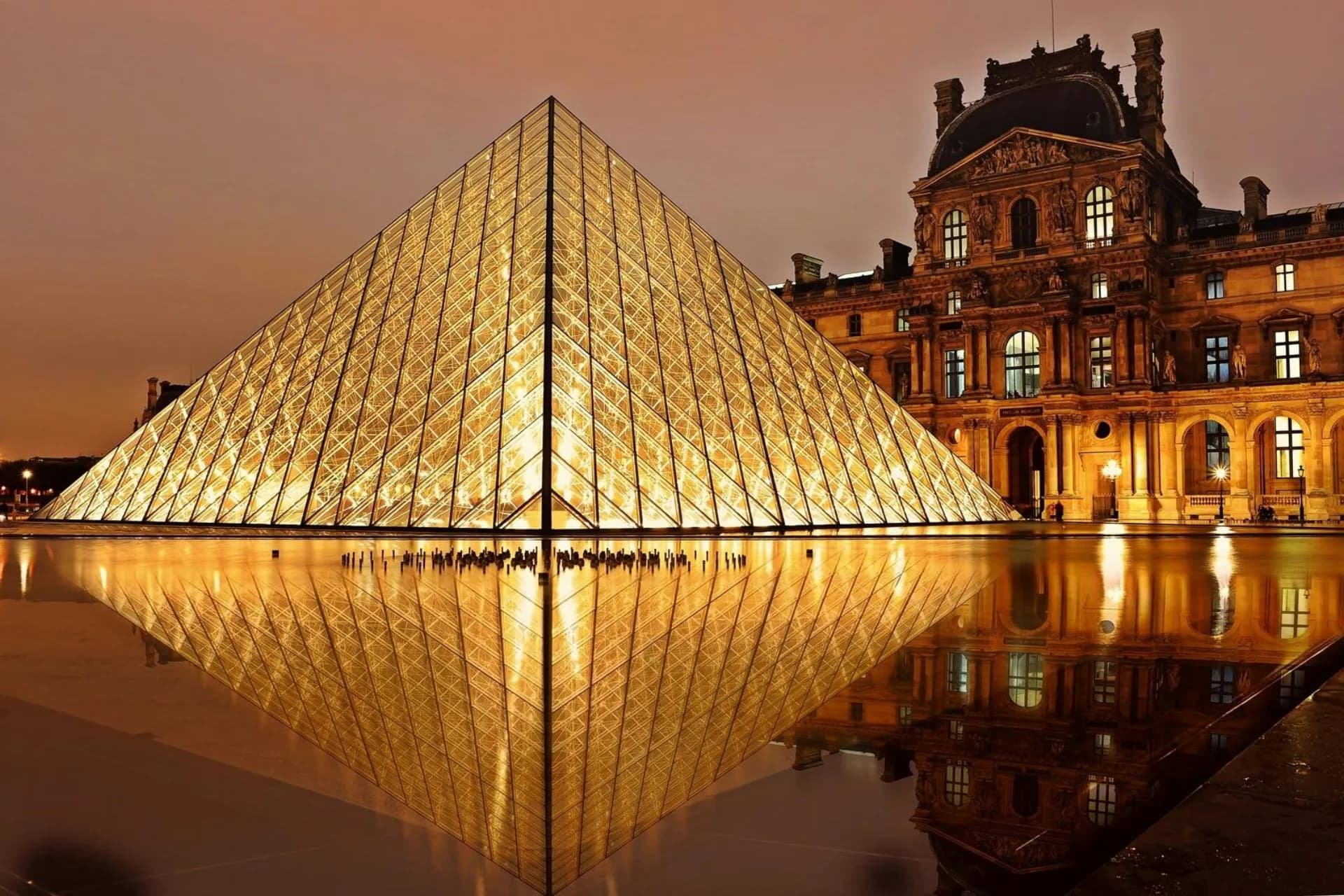
The world's largest museum holds 35,000 works spanning 9,000 years of human creativity across 72,735 square meters6. Attempting comprehensive coverage invites exhaustion and frustration.
Enter through Porte des Lions (south side) or Carrousel du Louvre (underground mall) to avoid the pyramid queue. The Richelieu entrance serves evening visitors on late nights.
Wednesday and Friday evenings (until 9:45 PM) bring smaller crowds and atmospheric lighting. The Mona Lisa room empties dramatically after 6 PM.
Choose a theme rather than sprinting through highlights. The Italian Renaissance wing, Egyptian antiquities, French Crown Jewels, or Northern European paintings each warrant dedicated visits.
Accept the Mona Lisa reality. Leonardo's masterpiece measures 77×53 cm behind bulletproof glass, photographed by thousands daily. View it, appreciate its significance, then find the Vermeer's and Caravaggio's in uncrowded galleries nearby.
Notre-Dame
The cathedral, begun in 1163 and completed over 200 years, suffered devastating fire on April 15, 20197. Restoration is underway for reopening in late 2024. Meanwhile, surrounding Île de la Cité rewards exploration:
Sainte-Chapelle holds 13th-century stained glass so extraordinary it justifies any queue. Book timed entry to avoid waits; the chapel sits within the Palais de Justice complex.
Shakespeare and Company bookshop across the river embodies English-language literary Paris since 1951—the current location succeeded Sylvia Beach's 1920s original where Joyce published Ulysses.
Bouquinistes (riverside book sellers) along the Seine have operated for 450 years. Their green boxes are UNESCO-protected; browsing is free and atmospheric.
Hidden Gems Most Tourists Miss
Musée Rodin
The sculptor's former studio mansion (Hôtel Biron) holds masterpieces including The Thinker and The Kiss in intimate galleries8. The 3-hectare sculpture garden transforms visits into peaceful wanderings among bronze figures and rose bushes. Summer evenings extend garden hours.
Père Lachaise Cemetery
The world's most visited cemetery spans 44 hectares housing Jim Morrison, Oscar Wilde, Édith Piaf, Frédéric Chopin, Molière, and thousands more9. Beyond celebrity graves, the 19th-century sculptures, family crypts, and ancient trees create haunting beauty. Maps available at entrances; allocate 2-3 hours minimum.
Musée Jacquemart-André
The 19th-century mansion of banker Édouard André and artist Nélie Jacquemart preserves their spectacular private collection—Italian Renaissance, French 18th century, Dutch Golden Age—in rooms arranged as they lived10. Afternoon tea in the former dining room (painted ceiling by Tiepolo) provides refined Parisian experience.
Canal Saint-Martin
This 4.5-kilometer canal through the 10th arrondissement escaped urban renewal that destroyed similar waterways elsewhere. Iron footbridges, tree-lined quays, and 19th-century industrial architecture create film-set atmosphere—Amélie was shot here. Sunday brings locals picnicking; independent boutiques and natural wine bars line surrounding streets.
Passages Couverts
Paris invented the shopping mall—19th-century covered passages with glass roofs, mosaic floors, and ornate ironwork protected shoppers from mud and weather. Most have survived: Galerie Vivienne (1823) offers bookshops and fashion; Passage des Panoramas (1799, the oldest) holds stamp dealers and vintage restaurants; Passage Jouffroy connects to antique stores and the Musée Grévin wax museum11.
Square des Peupliers
Hidden in the 13th arrondissement, this cobblestoned lane of small houses and gardens feels transported from provincial France. It's one of several "secret gardens" (villas) scattered through Paris—Square des Batignolles, Villa Léandre, and Cité Florale offer similar escapes.
Neighborhoods to Explore
Le Marais (3rd-4th)
The Jewish quarter (Pletzl) around Rue des Rosiers serves the city's best falafel—L'As du Fallafel's reputation justifies its queue. The gay quarter centers on Rue des Archives. The medieval street pattern confounds navigation; getting lost reveals 17th-century hôtels particuliers (mansions) and hidden courtyards.
Museums abound: Musée Picasso fills a 17th-century mansion with the artist's personal collection; Musée Carnavalet chronicles Paris history in two Renaissance hôtels; Musée Cognacq-Jay displays 18th-century decorative arts.
Sunday opens shops elsewhere closed, making the Marais especially crowded but lively.
Montmartre
The hilltop village that Toulouse-Lautrec, Picasso, and countless artists made famous retains cobblestoned charm despite tourist exploitation around Sacré-Cœur.
Arrive early (before 9 AM) to climb the Sacré-Cœur steps in peace. The funicular saves effort but bypasses neighborhood atmosphere.
Explore back streets: Rue Lepic's shops, Place du Tertre before portrait artists descend, vineyard Clos Montmartre (harvested ceremonially each October), and Dalí museum provide alternatives to overcrowded squares.
Musée de Montmartre occupies the building where Renoir maintained a studio—gardens recreate period atmosphere.
Saint-Germain-des-Prés
Literary Paris centered here for decades: Café de Flore, Les Deux Magots, Brasserie Lipp served Sartre, de Beauvoir, Camus, and visiting Americans. Today, tourist premium pricing and designer boutiques have displaced intellectual vibrancy, but atmosphere remains. The 6th-century church of Saint-Germain-des-Prés anchors the quarter.
Budget strategy: drink coffee standing at the bar (€2-3) rather than seated on terraces (€8-12).
Belleville
Paris's most multicultural neighborhood spans the 19th and 20th arrondissements. Chinese supermarkets neighbor North African couscous joints, street art covers warehouse walls, and bohemian galleries occupy former factories. Parc de Belleville provides panoramic city views rivaling Montmartre without crowds.
Food: Beyond the Tourist Traps
Boulangeries & Pâtisseries
French civilization rests on bread. Every neighborhood has competing boulangeries displaying baguettes (look for tradition or artisanale) and croissants. Competition is fierce; quality is remarkably consistent.
Poilâne (6th) has made sourdough loaves (miches) since 1932—their dense, nutty bread defines the style. The Saint-Germain location includes a basement wood-fired oven tour.
Du Pain et des Idées (10th, near Canal Saint-Martin) creates flaky escargots (snail pastries) that draw morning queues12.
Blé Sucré (12th, near Gare de Lyon) wins awards for croissants; neighborhood location avoids central crowding.
Pierre Hermé revolutionized macarons—his combinations (ispahan: rose, raspberry, lychee) surpass Ladurée's traditional versions at similar prices.
Classic Bistros
The French bistro represents culinary terroir—regional ingredients, classic techniques, convivial atmosphere. Tourist traps abound; these deliver authenticity:
Chez L'Ami Jean (7th): Basque-influenced, boisterous, famous rice pudding dessert shared family-style. Reservation essential.
Le Comptoir du Panthéon (5th): Yves Camdeborde's casual spinoff of Comptoir du Relais. No reservations; arrive early.
Septime (11th): Modern French tasting menus earning Michelin attention. Book months ahead via website13.
Bistrot Paul Bert (11th): Classic steak-frites, Grand Marnier soufflé, and red-checked tablecloths.
Bouillon Chartier (9th): 1896 workers' cafeteria serves massive portions at astonishing prices. Shared tables, harried waiters, historic décor.
Markets
Marché d'Aligre (12th): Authentic neighborhood market with produce vendors, covered hall, and surrounding African shops. Weekday mornings avoid weekend crowds.
Marché des Enfants Rouges (3rd): Paris's oldest covered market (1615) holds international food stalls—Japanese, Moroccan, Italian—alongside traditional vendors. Lunch crowds peak 12-2 PM.
Rue Mouffetard (5th): Picturesque market street in the Latin Quarter. Tourist-oriented but charming, especially early mornings.
Wine Bars (Caves à Manger)
The natural wine movement transformed Parisian drinking. These bars pour wines from small producers practicing organic/biodynamic agriculture with minimal intervention:
Le Verre Volé (10th): Original cave à manger, tiny space, remarkable bottles.
La Buvette (11th): Camille Fourmont's Pigalle gem fits maybe 15 people.
Le Baron Rouge (12th): Barrel wine near Marché d'Aligre; Sunday oyster market crowds the sidewalk.
Septime La Cave (11th): Wine bar sibling to the restaurant, excellent small plates.
Avoiding Tourist Traps
Picture menus in multiple languages signal tourist orientation. Restaurants with aggressive touts outside rarely deliver quality. Areas immediately surrounding major monuments charge premium prices for mediocre food. Walk 10 minutes in any direction for better value.
Dining Etiquette
Reservations matter for dinner at serious restaurants—book 1-2 weeks ahead for popular spots, months ahead for Michelin stars.
Meal timing follows French convention: lunch 12-2 PM, dinner 7:30-10 PM. Arriving at 6 PM marks you as foreign.
"Bonjour" upon entering (and "Au revoir" when leaving) is mandatory politeness. Skipping it signals rudeness.
Service compris: Service is included in menu prices. Small additional tips (round up or €2-5) acknowledge excellent service but aren't expected.
Water: "Une carafe d'eau, s'il vous plaît" brings free tap water. Ordering "eau" without specification brings expensive bottled.
Practical Tips
Transportation
The Métro serves nearly everywhere across 16 lines. Navigo weekly passes (Monday-Sunday) offer unlimited travel for €30; carnets of 10 tickets provide bulk savings. Download the RATP app for real-time schedules14.
Walking remains the best way to experience Paris—distances between central sites are shorter than they appear, and street life provides constant entertainment.
Vélib' bike share stations appear every 300 meters. Day passes (€5) cover 30-minute trips; longer rides add incremental fees.
Avoid taxis except for airport transfers—expensive, often stuck in traffic, and unnecessary given excellent public transit.
Money-Saving Strategies
Picnic culture is Parisian: buy bread, cheese, charcuterie, and wine from shops, then eat in parks or along the Seine. A €15 market lunch beats a €40 tourist menu.
Free museum days: The first Sunday of each month opens many museums free (Louvre, Orsay, etc.)—expect crowds. Under-26 EU citizens enter free always.
Happy hour (typically 5-8 PM) cuts drink prices at many bars.
Outer arrondissement accommodations provide better value while remaining well-connected—the 10th, 11th, 18th, and 20th offer authentic neighborhood life plus €100+/night savings over central hotels.
Language
Most Parisians speak English but appreciate French attempts:
- "Bonjour" (hello) opens every interaction
- "Parlez-vous anglais?" (Do you speak English?) after greeting
- "Merci" (thank you) / "S'il vous plaît" (please)
- "L'addition, s'il vous plaît" (The check, please)
- "Excusez-moi" (Excuse me)
The stereotype of Parisian rudeness often reflects cultural misunderstanding—skipping "Bonjour" or speaking loudly in restaurants genuinely offends.
Day Trips from Paris
Versailles
Louis XIV's palace (1682) represents absolute monarchy's architectural expression—1,400 rooms, 2,000 acres of gardens, Hall of Mirrors where WWI ended15. RER C train reaches Versailles-Château in 40 minutes.
Strategy: Book timed entry online, arrive at opening (9 AM), explore gardens first while crowds mob the palace, bring picnic supplies, allow full day.
Giverny
Monet's home and gardens (1883-1926) provided subjects for water lily paintings now in Paris's Orangerie. Open April-October only. Train to Vernon (45 minutes) connects to bus/bike (5 km)16.
Strategy: Visit midweek to avoid weekend masses; May-June brings peak blooms; afternoon light photographs best.
Champagne Region
Reims (45 minutes by TGV) and Épernay (1.5 hours) anchor France's champagne production. Major houses (Veuve Clicquot, Moët & Chandon, Taittinger) offer tours; small growers provide more personal experiences. Reims Cathedral crowned French kings for 800 years.
Château de Fontainebleau
Renaissance palace (35 minutes by train) predates Versailles and served French monarchs from Louis VII to Napoleon III. Smaller crowds, extensive forest, easier access make it preferable for many visitors17.
Seasonal Highlights
Spring
Cherry blossoms fill Jardin des Plantes, Luxembourg Gardens, and Champ de Mars. Foire du Trône amusement park operates April-May. Museum Night (Nuit des Musées) in mid-May opens institutions until midnight with special programming.
Summer
Paris Plages (mid-July through August) transforms Seine riverbanks into artificial beaches with sand, loungers, and activities. Open-air cinema screens films in parks. Bastille Day (July 14) brings firefighters' balls and Champs-Élysées fireworks.
Fall
Nuit Blanche (first Saturday in October) offers all-night arts events throughout the city—installations, performances, and museum access until dawn. Fashion Week brings international visitors. Autumn colors peak late October in parks.
Winter
Christmas markets fill Place de la Concorde, Champs-Élysées, and neighborhood squares. Department store windows (vitrines) become elaborate displays. New Year's Eve crowds the Champs-Élysées (avoid driving). January sales (soldes) run 4-6 weeks with genuine discounts.
Final Thoughts
The secret to Paris is getting lost. Put away your phone, wander residential streets, duck into random boulangeries, sit in lesser-known squares. The magical moments—an unexpected courtyard, a perfect croissant still warm, a conversation with a local artist, afternoon light on a 17th-century façade—happen when you venture beyond the planned itinerary.
Paris earned its reputation over centuries of accumulated beauty, culture, and civilization. The crowds exist because the place genuinely delivers on its promises. But the city reveals its secrets to those who slow down, observe carefully, and embrace the Parisian art of doing nothing particularly important while doing it beautifully.
Dreaming of your perfect Paris experience? Our France specialists can create an itinerary that combines iconic moments with authentic neighborhood discoveries.
Sources
1. Paris Info Official Tourism - Visitor statistics
2. City of Paris Official - Administrative information
3. Nuit des Musées - Museum night event
4. Paris Plages - Summer beaches
5. Eiffel Tower Official - Tower information
6. Louvre Museum - Museum information
7. Notre-Dame de Paris - Cathedral restoration
8. Musée Rodin - Museum information
9. Père Lachaise Cemetery - Cemetery guide
10. Musée Jacquemart-André - Museum information
11. Paris Passages Couverts Guide - Covered passages
12. Du Pain et des Idées - Bakery
13. Septime Restaurant - Restaurant
14. RATP Paris Transit - Transportation
15. Palace of Versailles - Palace information
16. Fondation Claude Monet Giverny - Gardens
17. Château de Fontainebleau - Palace information