Hong Kong: Vertical City, Infinite Layers
Hong Kong overwhelms in the best possible way. This vertical city of 7.5 million people packs more into its limited space than seems physically possible—bamboo-scaffolded skyscrapers rising beside incense-filled temples, Michelin-starred restaurants next to legendary street food stalls, pristine hiking trails minutes from the world's most dramatic urban skyline. The former British colony returned to China in 1997 but retains its distinct identity: Cantonese cuisine, British legal traditions, and an entrepreneurial energy that makes everything feel possible. Come hungry, wear comfortable shoes, and prepare for sensory overload.
Why Hong Kong Dazzles
The Skyline
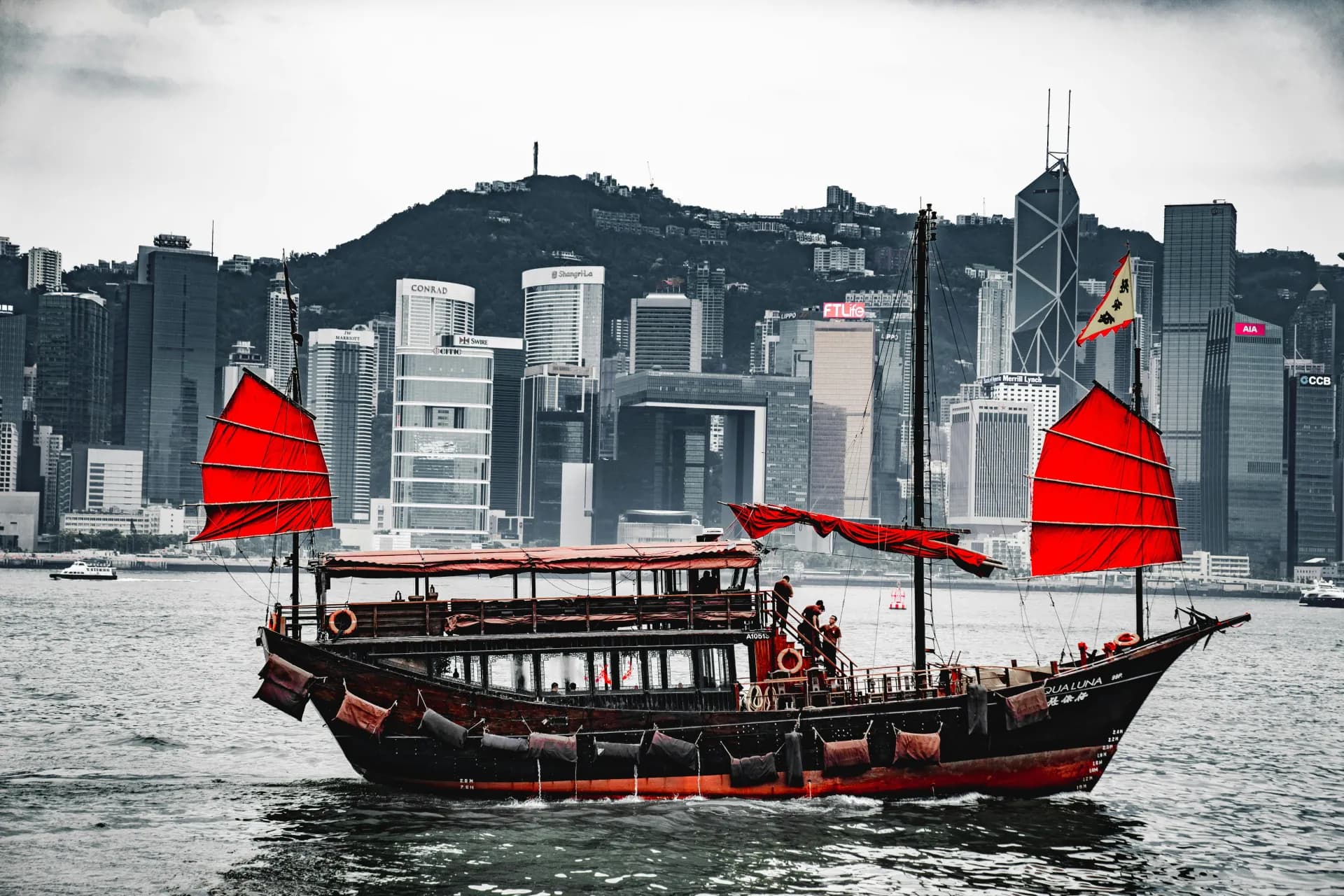
Hong Kong's skyline isn't just impressive—it's symphonic. The nightly Symphony of Lights illuminates buildings across Victoria Harbour. The Peak offers the iconic view. Rooftop bars, Star Ferry crossings, and waterfront promenades all showcase the verticality that defines this city.
Culinary Obsession
Hong Kong takes eating seriously. The city holds more dim sum restaurants than you could visit in a lifetime, Michelin stars in hole-in-the-wall noodle shops, and food markets that operate around the clock. Every meal is an event; every recommendation leads to another.
East-West Fusion
British colonial history layered over Cantonese culture creates unique juxtapositions. Double-decker trams run past traditional herbalists. English common law coexists with Chinese traditions. Afternoon tea follows morning dim sum. The fusion isn't forced—it's Hong Kong's DNA.
Escape Velocity
Despite the urban intensity, escape is always close. Hiking trails crisscross the mountains. Outlying islands offer beaches and fishing villages. Country parks cover 40% of Hong Kong's land. Nature isn't somewhere else—it's woven into the city.
Hong Kong's Heart: Must-Experience Places
Victoria Peak
The Peak delivers Hong Kong's definitive view—the harbor, the towers, Kowloon beyond. Take the historic Peak Tram (operating since 1888) up the steep slope; the angle alone is worth the trip. At the top, the Sky Terrace 428 offers the best vantage point, though the free views from the Peak Circle Walk are nearly as good.
Tips:
- Go at sunset for the transition from day skyline to night lights
- Weekday mornings are least crowded
- The tram queue can be brutal; book skip-the-line tickets or walk up via the Old Peak Road
- Lion's Pavilion offers free views if you skip the paid terrace
Victoria Harbour & The Star Ferry
The Star Ferry has crossed the harbor since 1888—one of the world's great budget travel experiences. The 10-minute crossing costs next to nothing and delivers million-dollar views. Take it at night when the skyline glows. The Tsim Sha Tsui waterfront promenade offers perfect skyline photography.
Central & Mid-Levels
The business district climbs from the harbor up steep hillsides via the world's longest covered escalator system (800 meters). Central holds colonial landmarks (the Legislative Council, Former French Mission Building), luxury malls, and the city's financial power. Above, the Mid-Levels escalator passes through SoHo's restaurant strip and Hollywood Road's antiques dealers.
#### Landmark Sites
- Man Mo Temple - Incense-filled Taoist temple from 1847, atmospheric and spiritual
- PMQ - Former Police Married Quarters, now a creative hub with local designers
- Graham Street Market - One of the oldest wet markets, squeezed between skyscrapers
- Tai Kwun - Former Central Police Station transformed into an arts and heritage complex
Kowloon
Across the harbor, Kowloon offers grittier, more local Hong Kong.
#### Tsim Sha Tsui
The southern tip holds museums, the waterfront promenade, and Nathan Road's neon canyon. The Peninsula Hotel serves legendary afternoon tea. The Hong Kong Museum of Art reopened after renovation with excellent Chinese collections.
#### Jordan & Yau Ma Tei
Working-class neighborhoods with night markets, dai pai dong (open-air food stalls), and the famous Temple Street Night Market. Jade Market for serious shoppers; Tin Hau Temple for worship and fortune-telling.
#### Mong Kok
Dense, chaotic, utterly Hong Kong. The Ladies' Market sells everything; the Goldfish Market and Flower Market offer niche treasures. Sneaker Street for kicks; the Langham Place mall for air-conditioned relief.
#### Sham Shui Po
The fabric and electronics district is gentrifying into Hong Kong's latest hip neighborhood. Serious crafters shop here; serious foodies follow for some of the city's best cheap eats.
Lantau Island
Hong Kong's largest island holds the airport but also hiking, beaches, and two major attractions.
#### Tian Tan Buddha (Big Buddha)
The giant bronze Buddha sits atop 268 steps at Ngong Ping. The Ngong Ping 360 cable car offers spectacular views on the 25-minute journey. The Po Lin Monastery serves excellent vegetarian lunch.
#### Tai O Fishing Village
This stilted village on Lantau's western shore feels like stepping back decades. Pink dolphins swim offshore (boat trips available); the village produces famous dried seafood and shrimp paste.
Hong Kong Island's South Side
Escape the urban intensity with beaches and laid-back neighborhoods.
#### Repulse Bay
The most accessible beach, with colonial-era architecture, upscale dining, and family-friendly swimming.
#### Stanley
Former fishing village turned expat enclave. Stanley Market sells souvenirs and bargains; the waterfront holds restaurants with seafood and views.
#### Aberdeen
Floating restaurants and fishing boats; take a sampan tour through the boat-dwelling community.
Outlying Islands
#### Lamma Island
Car-free, laid-back, and popular with day-trippers. Hike between villages (Yung Shue Wan to Sok Kwu Wan), eat seafood at the harbor, and decompress from the urban intensity.
#### Cheung Chau
Traditional fishing island with temples, seafood restaurants, and the famous annual Bun Festival. Rent a bike to explore; swim at beaches less crowded than Hong Kong Island.
Where to Eat
Dim Sum (Essential Hong Kong)
- Tim Ho Wan - The world's cheapest Michelin star (multiple locations)
- Maxim's Palace - Classic trolley-style dim sum, sprawling and authentic
- Lin Heung Tea House - Old-school chaos, competitive grabbing from trolleys
- Duddell's - Upscale dim sum, beautiful setting, excellent quality
Cantonese & Local
- Yung Kee - Legendary roast goose since 1942
- Mak's Noodle - Wonton noodles done perfectly, tiny shop
- Kau Kee - Famous beef brisket noodles, constant queue
- Tsui Wah - Local cha chaan teng (diner) chain, all-day Hong Kong classics
Street Food & Markets
- Temple Street Night Market - Claypot rice, dai pai dong stalls
- Mong Kok - Curry fish balls, egg waffles, stinky tofu
- Sham Shui Po - Cheap eats paradise, local knowledge helps
- Kowloon City - Thai Town for Southeast Asian flavors
Fine Dining
- Lung King Heen - Three Michelin stars, Four Seasons Hotel
- Amber - French-Asian, consistently world-ranked
- The Chairman - Modern Cantonese, exceptional quality
- Neighborhood - European technique, local ingredients
International
- Little Bao - Chinese bao sandwiches with a twist
- Yardbird - Japanese yakitori, late-night scene
- Ho Lee Fook - Retro Chinese-Western fusion
- Posto Pubblico - Italian comfort food in SoHo
Cha Chaan Teng Experience
These Hong Kong-style diners serve breakfast-to-late-night comfort food: milk tea, pineapple buns with butter, macaroni soup, French toast. They're cheap, fast, and essential for understanding local food culture.
Where to Drink
Rooftops & Views
- Ozone - World's highest bar (118th floor, Ritz-Carlton)
- Sevva - Central rooftop, intimate skyline views
- Aqua - Tsim Sha Tsui harbor views, dramatic setting
- Ce La Vi - California Tower, 25th-floor panorama
Cocktail Bars
- The Old Man - World-ranked cocktails, Hemingway theme
- Quinary - Molecular cocktails, innovative techniques
- COA - Agave-focused, mezcal excellence
- Stockton - Speakeasy vibes, sophisticated drinks
Local Experience
- Yardbird - Izakaya atmosphere, yakitori and whisky
- Ping Pong 129 - Tiny gin bar in a former ping-pong club
- Club 71 - Activist and artist haunt, cheap drinks
- The Globe - Expat pub, live music, unpretentious
Night Markets & Late Night
After the bars, Hong Kong keeps eating. Temple Street stalls serve until late; dai pai dong in Sham Shui Po and Jordan feed the night owls; 24-hour congee shops await.
Where to Stay
Central & Admiralty
Prime business district location, walking distance to MTR, ferries, and attractions. The Mandarin Oriental and Four Seasons define luxury; boutique options like The Murray offer style.
Tsim Sha Tsui
Across the harbor with waterfront views. The Peninsula is the grand dame; mid-range options line Nathan Road. Good value, excellent transport, restaurant density.
Causeway Bay
Shopping-focused neighborhood, younger energy. Good mid-range options; excellent access to Hong Kong Island's east side.
Sheung Wan & Sai Ying Pun
West of Central, increasingly hip neighborhoods with local character. Boutique hotels, coffee shops, antique stores. Good balance of access and atmosphere.
Lantau (Near Airport)
Only for early departures or arrivals. The Ritz-Carlton at Ngong Ping offers mountain-and-Buddha views; otherwise, stay in the city.
Practical Wisdom
Getting Around
MTR (Subway) - Clean, efficient, extensive. The Octopus card works everywhere and is essential. Eight lines cover most destinations.
Trams - Hong Kong Island's double-decker trams are slow, cheap, and scenic. Sit upstairs in the front for the best views.
Star Ferry - The essential harbor crossing. Take it multiple times.
Buses - Extensive network, including scenic routes to beaches and hiking. Google Maps handles routing well.
Taxis - Red (urban), green (New Territories), blue (Lantau). Metered, affordable, some English challenges. Uber exists but taxis are often easier.
Walking - Hong Kong is surprisingly walkable, though hills challenge. The Central-Mid-Levels escalator helps.
When to Visit
- Fall (October-November) - Ideal. Clear, comfortable, dry.
- Winter (December-February) - Cool, can be gray. Chinese New Year (late Jan/Feb) is festive but crowded.
- Spring (March-May) - Humid, often foggy. Temperatures rising.
- Summer (June-September) - Hot, humid, typhoon season. Prices lower; air-conditioning essential.
Weather Realities
Hong Kong's humidity is intense from spring through fall. Indoor spaces are aggressively air-conditioned; bring a layer. Typhoons occasionally shut the city down (Signal 8 means stay indoors).
Language
Cantonese is the primary language, with English widely understood in tourist areas and business settings. Mandarin is increasingly common. Signs are usually bilingual.
Money
Hong Kong Dollar (HKD). Cash still matters in markets and small shops; credit cards work widely. ATMs everywhere. Octopus card handles most transit and convenience store purchases.
Tipping
Not traditionally expected in local restaurants (service charge often included). Western restaurants expect 10-15%. Round up for taxis.
Safety
Hong Kong is extremely safe—one of Asia's safest cities. Normal urban awareness applies. Pickpocketing exists in crowded areas but violent crime is rare.
Suggested Itineraries
3 Days: Essential Hong Kong
Day 1: Morning dim sum, Central exploration (Man Mo Temple, PMQ, Graham Street), Peak Tram at sunset, dinner in SoHo
Day 2: Star Ferry to Kowloon, Tsim Sha Tsui waterfront, Yau Ma Tei temples, afternoon Temple Street, evening Symphony of Lights
Day 3: Ngong Ping 360 to Big Buddha, Po Lin Monastery, return via Tai O fishing village
5 Days: Deeper Hong Kong
Add: Lamma Island hiking and seafood, Sham Shui Po food crawl, Hong Kong Trail hiking (Dragon's Back), Aberdeen sampan tour, night market eating marathon
7 Days: Complete Hong Kong
Add: Day trip to Macau (casinos, colonial Portuguese heritage), Cheung Chau Island, serious shopping expedition, multiple dim sum comparisons, cooking class
Hiking in Hong Kong
Hong Kong's trail system rivals any city on earth. Forty percent of the territory is country parks, with trails ranging from easy strolls to serious climbs.
Top Hikes
- Dragon's Back - Hong Kong Island's most popular trail, stunning views, manageable difficulty
- Lion Rock - Kowloon's defining peak, city views, moderate difficulty
- Lantau Peak - Sunrise hike to the second-highest point, challenging
- MacLehose Trail - 100km across the New Territories, tackled in sections
Practical Tips
- Trails are well-marked and maintained
- Start early to beat heat and crowds
- Carry water; facilities limited on trails
- The MTR reaches most trailheads
Day Trips
Macau
The former Portuguese colony is an hour by ferry—casinos (bigger than Vegas), colonial architecture, exceptional Portuguese-Chinese cuisine. Day-trippable but worth overnight for the food alone.
Shenzhen
The Chinese megacity across the border offers shopping, tech markets, and a glimpse of mainland China's growth. Visa requirements vary; check current regulations.
Guangzhou
High-speed rail connects in under an hour. Cantonese cuisine's birthplace, significant historical sites, and the feeling of massive, modern China.
Shopping in Hong Kong
What to Buy
- Electronics - Still competitive, though global price differences have narrowed
- Tailoring - Custom suits and shirts, especially in Tsim Sha Tsui
- Tea - Quality Chinese tea from specialist shops
- Antiques - Hollywood Road and Cat Street for Chinese antiques (authentication varies)
- Fashion - From luxury malls to street market bargains
Where to Shop
- Causeway Bay - Mainstream shopping, department stores, local brands
- Tsim Sha Tsui - Canton Road for luxury, Nathan Road for variety
- Mong Kok - Street markets, local goods, chaos
- Central - Luxury malls, designer flagships
- Sham Shui Po - Fabric, buttons, craft supplies
Final Thoughts
Hong Kong moves fast—people walk fast, eat fast, do business fast. The density can feel overwhelming; the humidity in summer is brutal; the prices for hotels and restaurants can shock. But the rewards match the intensity. Nowhere else delivers this combination: a global financial center with dim sum carts, mountain hikes finishing at subway stations, temples burning incense beside designer boutiques.
The city exists in layers. The shiny layer—the skyscrapers, the luxury malls, the Michelin stars—gets the attention. But dig into the wet markets, the dai pai dong stalls, the hiking trails, and the outlying islands, and you find a Hong Kong that's gritty, generous, and genuinely fascinating. The territory's complex relationship with mainland China adds political tension that any honest visitor acknowledges, but the city's distinct culture and identity remain unmistakable.
Come hungry—for food, for experience, for the vertigo of genuine urban intensity. Let Hong Kong exhaust and exhilarate you. Ride the tram, ride the ferry, ride the escalator through SoHo. Eat until you can't, then eat again. This is a city that gives everything it has, at full speed, without apology. Match its energy, and you'll understand why so many people fall hard for this improbable, vertical, utterly singular place.
Ready to experience Hong Kong? Our Asia specialists can arrange Michelin dining reservations, outlying island explorations, and help you navigate this extraordinary city's infinite layers.