Buenos Aires: Where Europe Meets South America
Buenos Aires seduces slowly, then completely. Argentina's capital sprawls along the Río de la Plata, a city of grand boulevards and intimate neighborhoods, of Belle Époque architecture and gritty street art, of world-class steak houses and hole-in-the-wall pizza joints. Porteños—as the city's residents call themselves—live with an intensity that infects visitors: eating dinner at midnight, dancing tango until dawn, arguing about fútbol with philosophical fervor. This is South America's most European city, yet unmistakably its own invention—passionate, melancholic, and utterly alive.
Why Buenos Aires Captivates
The European Echo
Italian immigrants built much of Buenos Aires, and their influence shows—in the architecture, the gestures, the food, the way people argue with their hands. French Beaux-Arts boulevards could be Paris. Spanish colonial roots remain. Yet the mix creates something unique: European elegance filtered through Latin American vitality.
Tango's Birthplace
Tango isn't folklore here—it's living culture. Born in Buenos Aires's port neighborhoods over a century ago, it remains the city's emotional language. Milongas (tango dance halls) fill every night. Street corners host impromptu performances. The music plays from taxi radios and apartment windows.
The Food Obsession
Argentina means beef, and Buenos Aires means the best beef, grilled to perfection over wood-fired parrillas. But the city's food culture runs deeper: Italian-influenced cuisine, world-class wine, heladerías (ice cream shops) rivaling Italian gelato, and a café culture of croissants and cortados.
Nocturnal Nature
Buenos Aires runs late. Restaurants fill at 10pm. Shows start at midnight. Clubs open at 2am. The city's rhythm demands surrender to its schedule—and rewards those who adapt with experiences impossible elsewhere.
Buenos Aires Essentials: Must-Experience Places
Recoleta
The city's most elegant neighborhood centers on the famous cemetery—yes, the cemetery. Recoleta Cemetery's elaborate mausoleums house Argentina's elite, including Eva Perón. The surrounding area offers the city's finest museums, prettiest parks, and most expensive real estate. The weekend artisan fair draws crowds to Plaza Francia.
#### Recoleta Cemetery
More outdoor museum than graveyard, these 4,700 tombs include presidents, Nobel laureates, and Evita herself. Get lost among the marble angels and miniature cathedrals. Free entry; guided tours available for context.
#### MALBA (Museo de Arte Latinoamericano)
Latin America's finest modern art museum showcases Frida Kahlo, Diego Rivera, and major Argentine artists in a stunning contemporary building. The café and design shop merit time too.
#### Museo Nacional de Bellas Artes
Argentina's premier fine arts collection—Goya, Renoir, Monet—in a neoclassical building overlooking the parks. Free entry.
San Telmo
The bohemian heart of old Buenos Aires, San Telmo's cobblestoned streets hold antique shops, tango bars, and the city's best Sunday market. Colonial architecture survives; gentrification advances but hasn't conquered. This is where tango feels most authentic.
#### Sunday Antique Fair
The Feria de San Telmo stretches along Defensa Street every Sunday, selling everything from vintage cameras to antique silver. Tango dancers perform at Plaza Dorrego. Arrive early to beat crowds, or late afternoon for atmosphere.
#### Plaza Dorrego
San Telmo's colonial heart, surrounded by cafés where you can watch tango dancers, browse antiques, and soak in the neighborhood's atmosphere any day of the week.
La Boca
The most colorful (literally) neighborhood in Buenos Aires, La Boca's painted zinc houses along Caminito are photogenic if touristy. The neighborhood was Italian-immigrant and port-worker territory; it remains rough around the edges beyond the tourist zone. The Boca Juniors fútbol stadium—La Bombonera—is pilgrimage for fans.
#### Caminito
The famous pedestrian street with its brightly painted buildings is an open-air museum of sort—touristy but worth seeing. Watch for pickpockets; don't venture into surrounding streets without guidance.
#### La Bombonera
Boca Juniors' stadium is a cathedral of Argentine fútbol. Stadium tours available; attending a match is unforgettable (and intense—this is among the world's most passionate fan cultures).
Palermo
Buenos Aires's largest barrio spreads across several sub-neighborhoods, from leafy Palermo Chico's mansions to Palermo Soho's boutiques and Palermo Hollywood's restaurants. The parks offer escape; the streets offer everything else.
#### Palermo Soho
The trendy heart of modern Buenos Aires: designer boutiques, concept stores, sidewalk cafés, and the city's most innovative restaurants. Plaza Serrano (officially Plaza Cortázar) anchors the scene.
#### Palermo Hollywood
Named for production companies that set up here, this area holds the densest concentration of trendy restaurants and bars. The line between Soho and Hollywood blurs; both deliver.
#### Bosques de Palermo
The city's green lung: lakes, rose gardens, the Japanese Garden, and the planetarium spread across parkland perfect for jogging, picnicking, or escaping the urban intensity.
Microcentro & Puerto Madero
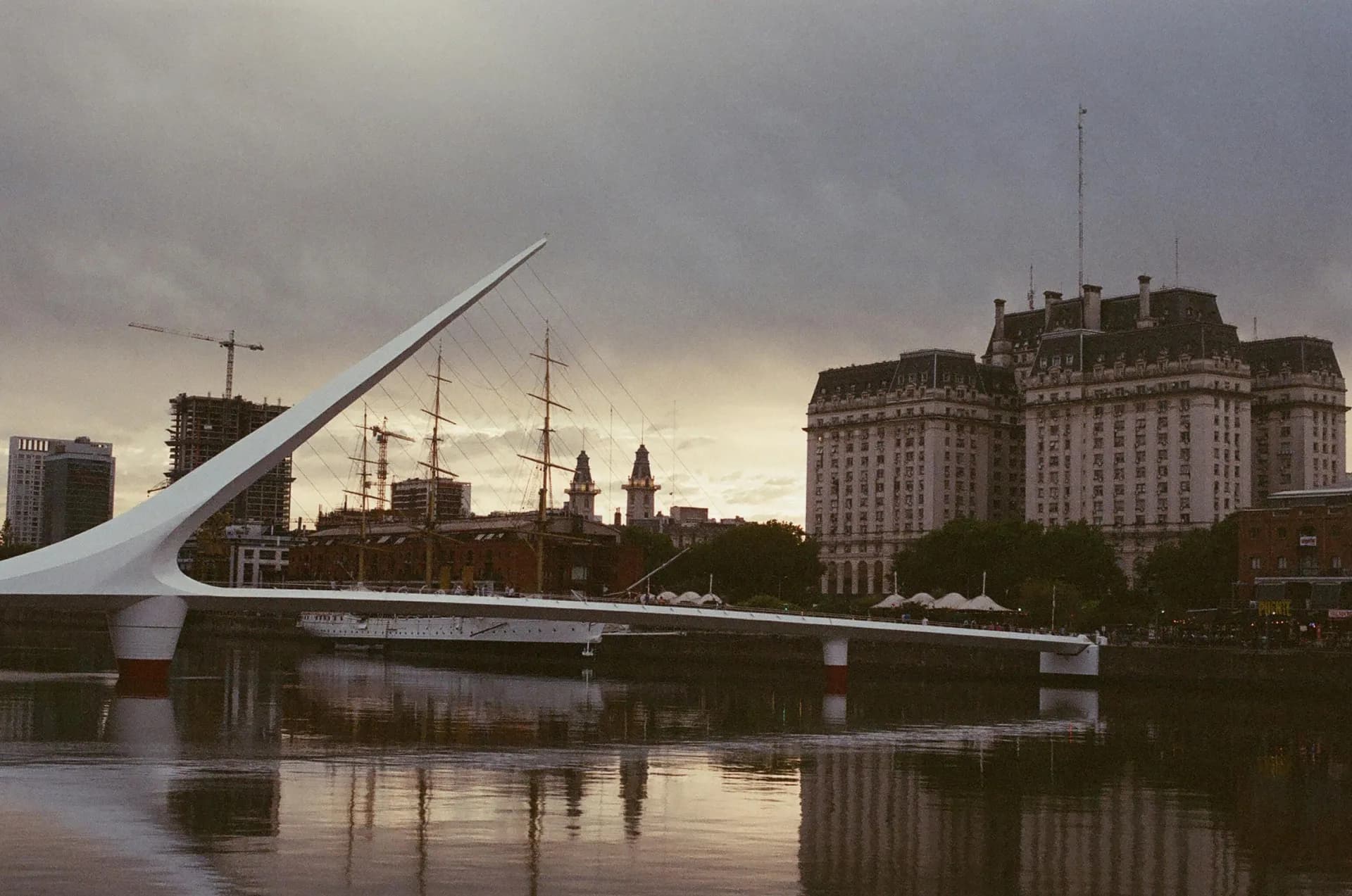
The downtown commercial center and the redeveloped waterfront represent different eras. Microcentro is classic Buenos Aires: grand avenues, historic cafés, the iconic Obelisco. Puerto Madero's converted brick warehouses now hold upscale restaurants and hotels—pretty but somewhat sterile.
#### Plaza de Mayo
The political heart of Argentina, dominated by the Casa Rosada (Pink House) presidential palace—famous for Evita's balcony. The Mothers of the Plaza de Mayo still march Thursdays, commemorating their children disappeared during the dictatorship.
#### Café Tortoni
The most famous of Buenos Aires's historic cafés, operating since 1858. Yes, it's touristy. Yes, the prices reflect that. But the Belle Époque interior and tango shows maintain genuine atmosphere.
Other Notable Neighborhoods
#### Belgrano
Residential and leafy, with a strong Chinese community (Buenos Aires's Chinatown), good restaurants, and weekend fairs.
#### San Nicolás
Home to the Obelisco, Teatro Colón, and the bustle of Corrientes Avenue—Buenos Aires's Broadway.
#### Villa Crespo
Up-and-coming, with excellent restaurants and a fraction of Palermo's crowds.
Where to Eat
Parrillas (Steakhouses)
- Don Julio - Palermo's finest, reservation essential, worth the hype
- La Cabrera - Generous portions, excellent sides, perpetual crowds
- El Pobre Luis - Neighborhood institution, less touristy, superb meat
- La Brigada - San Telmo classic, soccer memorabilia, knife-cut steaks
Contemporary Argentine
- Tegui - Tasting menu excellence, among Latin America's best restaurants
- Aramburu - Intimate fine dining, theatrical presentations
- Proper - Palermo hotspot, creative cocktails to match
- Chila - Puerto Madero waterfront, modern Argentine cuisine
Italian & Pizza
- Guerrín - Corrientes Avenue institution, standing-room slices since 1932
- El Cuartito - Classic pizzeria, boxing photos, thick crusts
- Banchero - La Boca original, invented fugazzeta (cheese and onion pizza)
- Siamo nel Forno - Neapolitan style in Chacarita
Cafés & Breakfast
- Café Tortoni - Historic landmark, touristy but essential
- La Biela - Recoleta people-watching, famous rubber tree
- Las Violetas - Stunning stained glass, traditional confitería
- Cuervo - Specialty coffee, modern atmosphere
Empanadas & Casual
- El Sanjuanino - Traditional empanadas, cheap and excellent
- La Cocina - San Telmo empanadas, multiple fillings
- Sarkis - Armenian in Palermo, exceptional Middle Eastern
Ice Cream
- Cadore - Possibly the city's best, small Palermo location
- Freddo - Chain but consistent quality
- Persicco - Another reliable chain option
- Volta - Artisanal, creative flavors
Where to Drink
Wine Bars
- Pain et Vin - Natural wines, cheese plates, Palermo
- Vico Wine Bar - Extensive Argentine selection, San Telmo
- Gran Bar Danzón - Sophisticated Recoleta classic
Cocktail Bars
- Florería Atlántico - Hidden speakeasy, consistently world-ranked
- Victoria Brown - Palermo elegance, excellent drinks
- Presidente Bar - Hotel Alvear's classic bar, old-school glamour
Cervecerías (Craft Beer)
- On Tap - Good selection, multiple locations
- Antares - Argentine craft pioneer
- Strange Brewing - Villa Crespo taproom
Late Night
- Niceto Club - Palermo institution, Club 69 party on Thursdays
- Crobar - Electronic music, big-room experience
- Kika - Costanera Norte, open-air dancing
Tango Experiences
Milongas (Dance Halls)
- La Catedral - Alternative milonga in a warehouse, younger crowd
- Salón Canning - Traditional milonga, serious dancers
- La Viruta - All levels welcome, lessons before dancing
- Confitería Ideal - Historic venue, ornate interior
Shows
- Café de los Angelitos - Classic dinner-show format, excellent quality
- Rojo Tango - Faena Hotel's sensual, intimate show
- Tango Porteño - High-production value on Corrientes
Lessons
Most milongas offer pre-dance lessons. For serious study, countless schools offer group and private classes. DNI Tango, La Escuela del Tango, and Academia Buenos Aires are reputable options.
Where to Stay
Recoleta
Elegant and central, near museums and parks. The Alvear Palace defines luxury; Four Seasons and Park Hyatt compete. Quieter than Palermo, more upscale than San Telmo.
Palermo
The trendy choice: boutique hotels, excellent restaurants, nightlife at your doorstep. Home Hotel, Fierro Hotel, and Mine Hotel lead the boutique pack. Can be noisy on weekends.
San Telmo
Atmospheric and authentic, cobblestoned and bohemian. Mansion Dandi Royal offers tango-focused stays. More gritty than polished; not for everyone.
Puerto Madero
Modern, safe, waterfront—but somewhat disconnected from the city's soul. The Faena is spectacular if splurging.
Microcentro
Practical and affordable, less charming. Good for business travelers or those prioritizing access to everything.
Practical Wisdom
Getting Around
Subte (Metro) - Six lines cover central areas. Cheap and efficient during business hours; crowded at rush hour.
Buses (Colectivos) - Extensive network, confusing numbering. Download the BA Cómo Llego app for routing.
Taxis & Rideshare - Black-and-yellow taxis are everywhere; use the meter or agree on price. Uber works but exists in a legal gray zone.
Walking - Many neighborhoods are best explored on foot. Wear comfortable shoes for cobblestones.
When to Visit
- Spring (September-November) - Ideal. Jacarandas bloom purple across the city. Pleasant temperatures.
- Summer (December-February) - Hot, humid, and many locals flee to the coast. Lower prices; some restaurants close.
- Fall (March-May) - Beautiful. Park trees change color. Perfect weather.
- Winter (June-August) - Cool but mild. Indoor tango season. Good value.
Money Matters
Argentina's economy is complex. The official exchange rate differs significantly from parallel ("blue dollar") rates. ATMs limit withdrawals; bring USD cash for better exchange. Credit cards work but at official rates. The situation changes constantly—research current conditions before traveling.
Safety
Buenos Aires is generally safe by Latin American standards, but petty theft occurs. Watch belongings in crowded areas. Avoid flashing expensive items. Don't venture alone into areas beyond tourist zones. Take radio taxis or rideshares at night.
Timing
- Dinner rarely starts before 9pm; restaurants fill at 10-11pm
- Clubs open around 2am, peak at 4-5am
- Shops often close for siesta (1-5pm) outside malls
- Sundays many places closed; San Telmo market is the exception
Language
Spanish, with the distinctive Porteño accent (ll/y sounds like "sh"). English is increasingly common in tourist areas but less so elsewhere. Basic Spanish helps enormously and is warmly received.
Tipping
10% at restaurants is standard. Round up for taxis. Tip parking attendants a few pesos.
Suggested Itineraries
4 Days: Essential Buenos Aires
Day 1: Plaza de Mayo, San Telmo wandering, dinner at parrilla, evening milonga or tango show
Day 2: Recoleta Cemetery, MALBA, Palermo Soho exploring, dinner in Palermo Hollywood
Day 3: La Boca (morning, safer), Puerto Madero waterfront, afternoon siesta, Teatro Colón tour, dinner at Don Julio
Day 4: Palermo parks, Belgrano Chinatown, antique shopping, final tango experience
6 Days: Deeper Buenos Aires
Add: Day trip to Tigre Delta, serious tango lessons, neighborhood deep-dives (Villa Crespo, Chacarita), fútbol match at La Bombonera or River Plate, more adventurous restaurant exploration
8+ Days: Buenos Aires & Beyond
Add: Colonia del Sacramento day trip (ferry to Uruguay), estancia (ranch) day trip, wine tasting, underground Buenos Aires tours, living like a local
Day Trips
Tigre & the Delta
The Paraná Delta's network of islands and waterways starts just 30 minutes from downtown. Take the train to Tigre, then boat into the delta—kayak, explore island restaurants, or stay overnight in a rustic lodge.
Colonia del Sacramento, Uruguay
A 1-hour ferry across the Río de la Plata reaches this Portuguese colonial town (UNESCO-listed). Cobblestoned streets, historic lighthouse, excellent restaurants make an easy day trip or overnight escape.
San Antonio de Areco
The gaucho heartland, 2 hours northwest. Traditional estancias, silversmith workshops, and authentic pampas culture. Day trip or overnight.
Estancia Experience
Working cattle ranches offer day visits or overnight stays with horseback riding, asado (barbecue) feasts, and gaucho demonstrations. Several operate within day-trip distance.
The Fútbol Experience
Understanding the Passion
Argentine fútbol isn't sport—it's religion, identity, and social glue. The superclásico between Boca Juniors and River Plate is among the world's most intense rivalries. Attending any match reveals the culture's emotional core.
Attending a Match
- Book through official channels or reputable agencies (counterfeit tickets exist)
- Go with a guide if you're unfamiliar with the scene
- Wear neutral colors unless you're sitting with home fans
- Leave valuables at the hotel
- Experience the spectacle—the songs, the flags, the passion
Final Thoughts
Buenos Aires asks for surrender—to its rhythms, its hours, its intensity. Fight the schedule, and you'll miss the magic. Why is dinner at midnight? Because the conversation beforehand matters. Why dance until dawn? Because tango isn't exercise—it's emotional expression.
The city's melancholy is real. Argentina's history includes dictatorship, economic collapse, and perpetual instability. Porteños process it all through conversation, through tango's bittersweet embrace, through the intensity of their living. The passion isn't performance—it's survival strategy elevated to art form.
Come hungry—for steak, for experience, for connection. Let the city keep you up late. Learn a few tango steps. Argue about fútbol with strangers who become friends. Buenos Aires doesn't give up its secrets to the rushed or the scheduled. It reveals itself in the third glass of Malbec, in the 3am milonga, in the Sunday afternoon that stretches into evening. Give yourself to the city's tempo, and it will give you something unforgettable in return.
Ready to experience Buenos Aires? Our Argentina specialists can secure reservations at legendary parrillas, arrange private tango instruction, and guide you to the milongas where the locals actually dance.