Vietnam: A Country of Contrasts
Vietnam stretches 1,650 kilometers from the Chinese border to the Gulf of Thailand, creating one of Southeast Asia's most geographically and culturally diverse nations. From the terraced mountains of the north through the ancient towns of the central coast to the vibrant Mekong Delta, Vietnam rewards travelers with dramatic landscapes, complex history, world-class cuisine, and resilient people who've transformed their country from war-torn to one of Asia's fastest-growing economies1.
Understanding Vietnam's Geography
The Three Regions
The North centers on Hanoi, Vietnam's 1,000-year-old capital. Beyond the city, Ha Long Bay's 1,600 limestone karsts rise from emerald waters, while the northern mountains around Sapa host terraced rice paddies and hill tribe communities. The north has four distinct seasons, with cold winters.
Central Vietnam connects the former imperial capital of Hue with the perfectly preserved trading town of Hoi An and the modern beach city of Da Nang. This narrow coastal strip saw some of the Vietnam War's heaviest fighting, and history permeates the landscape.
The South pulses with Ho Chi Minh City's (Saigon's) frenetic energy and spreads into the Mekong Delta—Vietnam's rice bowl, where life revolves around waterways and floating markets.
Best Time to Visit
Vietnam's climate varies dramatically by region, making timing crucial2:
North (Hanoi, Ha Long Bay, Sapa):
- Best: October-December, March-April (mild, clear)
- Avoid: July-August (hot, monsoon rains)
- Winter (December-February): Cool to cold, foggy in Ha Long Bay
Central (Hue, Hoi An, Da Nang):
- Best: February-August (dry, warm)
- Avoid: October-November (typhoon season, flooding)
South (Ho Chi Minh City, Mekong, Phu Quoc):
- Dry season: December-April
- Wet season: May-November (afternoon showers, rarely all-day)
Hanoi: The Soul of Vietnam
Vietnam's capital is a city of contrasts—ancient temples alongside French colonial architecture, chaotic streets giving way to serene lakes. The Old Quarter's 36 guild streets have operated for nearly 1,000 years3.
Must-Experience in Hanoi
The Old Quarter - Each of the 36 streets originally specialized in a single trade (Silk Street, Silver Street, Paper Street). The guild system has faded, but the atmospheric lanes packed with shophouses, temples, and street vendors remain.
Ho Chi Minh Mausoleum Complex - The preserved body of Vietnam's revolutionary leader lies in a Soviet-designed mausoleum. The complex includes Ho Chi Minh's stilt house, the Presidential Palace, and the One Pillar Pagoda4.
Temple of Literature - Founded in 1070 as a Confucian university, this serene complex of courtyards and pavilions houses stone steles inscribed with the names of doctoral graduates dating back centuries5.
Hoan Kiem Lake - The "Lake of the Restored Sword" anchors the city, ringed by joggers at dawn, tai chi practitioners, and evening strollers. The red Huc Bridge leads to Ngoc Son Temple on a small island.
Train Street - A narrow lane where houses stand inches from passing trains, creating surreal scenes (and selfies). Authorities have restricted access, but morning trains still pass.
Water Puppet Theater - This unique Vietnamese art form originated in the Red River Delta's flooded rice paddies. Thang Long Water Puppet Theatre offers nightly performances6.
Hanoi Food Culture
Hanoi's food obsession rivals any culinary capital. Street food is not just acceptable—it's where the best food often lives.
Pho - The iconic beef or chicken noodle soup, eaten primarily for breakfast. Pho Gia Truyen (49 Bat Dan) is legendary7.
Bun Cha - Grilled pork patties with noodles and dipping sauce—the dish Anthony Bourdain famously shared with Barack Obama at Bun Cha Huong Lien, now nicknamed "Obama Bun Cha"8.
Banh Mi - French baguettes filled with pâté, pork, pickled vegetables, and herbs—the perfect colonial fusion.
Egg Coffee (Ca Phe Trung) - Beaten egg yolk and condensed milk create a sweet, creamy topping for strong Vietnamese coffee. Try Giang Café, the original9.
Bia Hoi - Fresh draft beer brewed daily, served on tiny plastic chairs for about 10,000 VND ($0.40). Bia Hoi Corner at the intersection of Ta Hien and Luong Ngoc Quyen is the famous gathering spot.
Ha Long Bay: UNESCO Wonder
Ha Long Bay's 1,600+ limestone islands and islets, rising dramatically from emerald waters, form one of Southeast Asia's most spectacular landscapes. UNESCO inscribed the bay in 199410.
The Experience
- Karst formations sculpted over 500 million years
- Caves (Sung Sot Cave, Thien Cung Cave)
- Floating fishing villages
- Kayaking through hidden lagoons
- Swimming, rock climbing, squid fishing
Cruise Options
Budget (1 night): Basic but gets you there. Expect simple cabins and standard meals.
Mid-range (2 nights): Better food, private cabins with en-suite bathrooms, more activities.
Luxury (2+ nights): Butler service, gourmet dining, private balconies, spa treatments. Top options include Paradise Elegance, Bhaya Classic11.
Lan Ha Bay Alternative: The adjacent bay offers similar scenery with fewer boats. Cat Ba Island provides a land base for exploring.
Important Tips
- Book reputable operators (safety standards vary dramatically)
- Two nights minimum to truly enjoy the bay
- Winter (November-February) can be foggy
- Avoid public holidays when Vietnamese tourists pack the bay
Sapa: Mountains & Hill Tribes
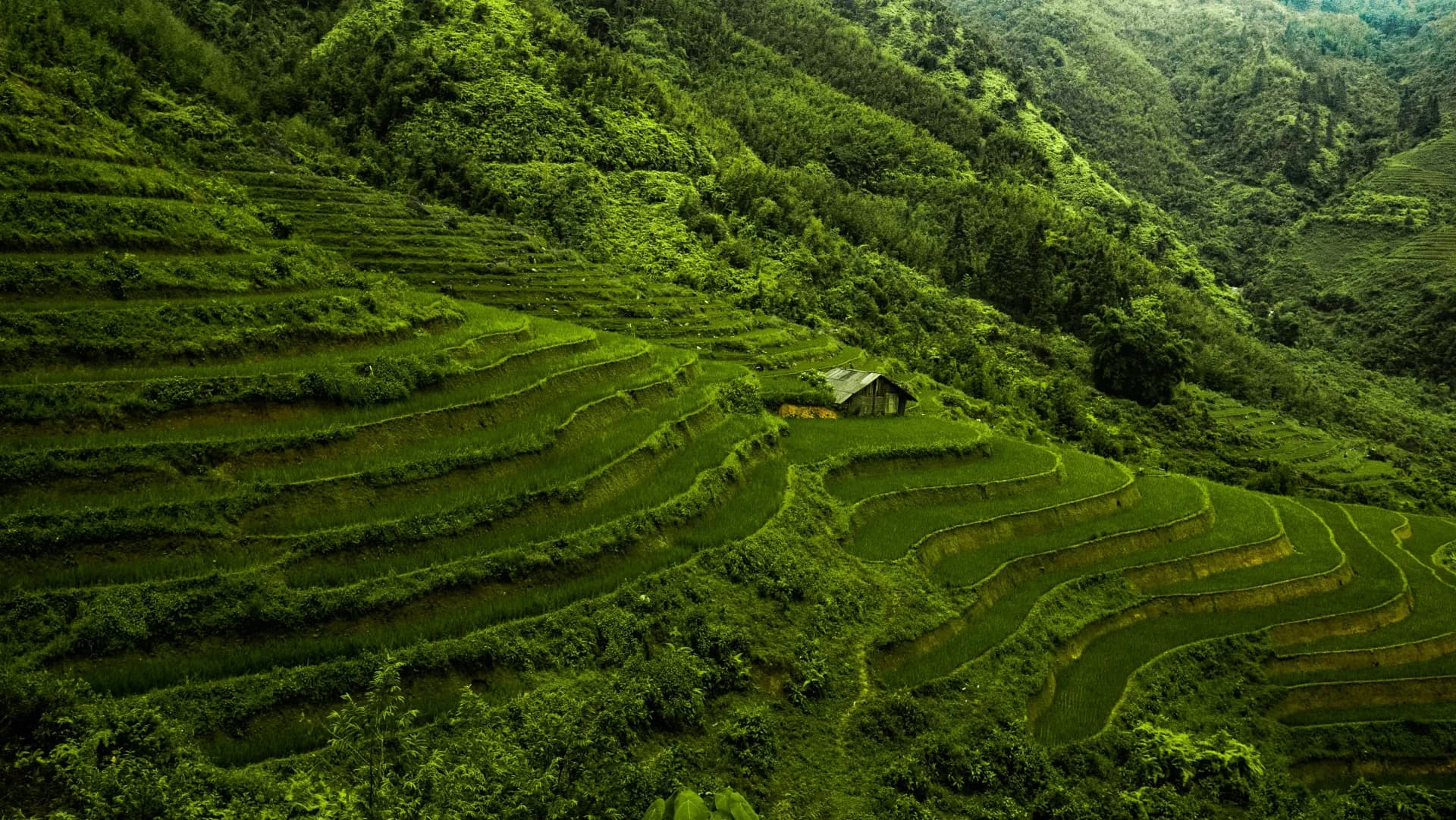
The northern highlands around Sapa offer Vietnam's most dramatic mountain scenery. Terraced rice paddies cascade down valleys, and H'mong, Dao, and Tay villages dot the hillsides12.
Why Visit Sapa
- Fansipan (3,143m), the "Roof of Indochina"
- Stunning terraced rice paddies (greenest May-September)
- Hill tribe villages and homestays
- Trekking opportunities from easy to challenging
- Cooler temperatures (a welcome break)
Experiencing Hill Tribe Culture
Six ethnic groups live in the Sapa region, each with distinctive dress, customs, and crafts. H'mong women in indigo batik and Dzao women with elaborate headdresses sell handicrafts in Sapa's market. For authentic experiences, book homestays in villages like Ta Van or Cat Cat, and hire local guides rather than agency tours—money goes directly to communities.
Getting to Sapa
Overnight train from Hanoi: The romantic option (8-9 hours). Book Sapaly Express or Victoria Express for best cabins.
Bus: Faster (5-6 hours) but less scenic. Sleeper buses run overnight.
Central Vietnam
Hue: The Imperial City
Vietnam's imperial capital from 1802 to 1945, Hue preserves the Nguyen Dynasty's Citadel and royal tombs along the Perfume River. The city saw devastating fighting during the 1968 Tet Offensive, and bullet holes still scar the Citadel walls13.
The Citadel - The massive complex includes the Imperial Enclosure and the Forbidden Purple City (largely destroyed in 1968). Allow 3-4 hours to explore.
Royal Tombs - Seven emperors' tombs line the Perfume River, each a unique architectural vision. Minh Mang and Tu Duc are most impressive.
Hue Cuisine - Distinctive, complex, and often spicy. Bun Bo Hue (spicy beef noodle soup) is the signature dish.
Hoi An: The Jewel
This perfectly preserved trading town enchants with its lantern-lit streets, ancient merchant houses, and Japanese covered bridge. UNESCO recognized the Ancient Town in 199914.
Ancient Town - Yellow-painted shophouses line pedestrian streets. Visit at night when thousands of silk lanterns illuminate the scene, especially during the monthly full moon festival.
Tailoring Capital - Hundreds of tailors can create custom suits, dresses, and shoes in 24-48 hours. Get measured early, allow time for fittings, and inspect quality carefully.
Cooking Classes - Hoi An hosts Vietnam's best cooking courses. Morning market visits plus hands-on cooking. Red Bridge and Morning Glory are highly rated15.
Beaches - An Bang Beach offers laid-back beach vibes, 4km from town.
Day Trip: My Son Sanctuary - Cham Hindu temples dating to the 4th-14th centuries, Vietnam's most important archaeological site outside of Hue16.
Ho Chi Minh City (Saigon)
Vietnam's economic engine pulses with 9 million people, 8 million motorbikes, and relentless energy. The former Saigon blends French colonial architecture with modern skyscrapers.
Essential Experiences
War Remnants Museum - Powerful, confronting exhibitions on the Vietnam War from the Vietnamese perspective. Graphic but essential for understanding history17.
Cu Chi Tunnels - The underground network used by Viet Cong fighters stretches 250 kilometers. Visitors can crawl through widened sections and see trap mechanisms18.
Ben Thanh Market - The city's iconic central market, best for browsing rather than bargain-hunting (prices are inflated). The surrounding night market offers better food.
Notre Dame Cathedral & Central Post Office - French colonial landmarks designed by Gustave Eiffel's firm.
Street Food Tours - The best way to navigate Saigon's overwhelming food scene. XO Tours and Back of the Bike Tours are excellent19.
Mekong Delta
Vietnam's "rice bowl" feeds the nation from a vast maze of rivers and canals. Life here revolves around water.
Floating Markets
Cai Rang - The largest floating market, busiest at dawn. Boats display their goods on tall poles. Arrive by 6 AM for authentic activity.
Cai Be - Smaller but charming, easier to combine with orchard visits.
How to Visit
Day trips from Ho Chi Minh City are possible but rushed. A two-day/one-night trip allows proper exploration:
- Sampan boat trips through narrow canals
- Coconut candy and rice paper workshops
- Fruit orchard visits
- Village cycling
- Homestays with local families
Vietnamese Food: A National Obsession
Vietnamese cuisine consistently ranks among the world's best, with each region offering distinctive flavors20.
Essential Dishes
- Pho - The iconic noodle soup
- Banh Mi - Perfect fusion sandwich
- Bun Cha - Hanoi's grilled pork
- Banh Xeo - Crispy stuffed crepes
- Cao Lau - Hoi An's unique noodles
- Com Tam - Broken rice with grilled pork
- Goi Cuon - Fresh spring rolls
- Bun Bo Hue - Spicy beef noodles
Regional Differences
Northern cuisine: Subtle flavors, less sweet, less chili
Central cuisine: Spicy and complex, influenced by royal court traditions
Southern cuisine: Sweeter, more herbs, coconut milk prevalent
Street Food Tips
- Plastic stools and crowds indicate quality
- Point at what you want
- Street food is safe—if it's busy, it's fresh
- Wet wipes are essential
- Ca phe sua da (iced coffee with condensed milk) is addictive
Practical Information
Visa Requirements
E-visas are available for most nationalities, valid for 30 days. Apply online at least 3 business days before travel21.
Currency & Costs
Vietnamese Dong (VND) uses large denominations—millions are normal. Roughly 24,000-25,000 VND = $1 USD. Vietnam offers exceptional value:
- Budget: $25-35/day (hostels, street food)
- Mid-range: $50-80/day (3-star hotels, restaurant meals)
- Luxury: $150+/day (boutique hotels, private tours)
Transportation
Domestic flights: Cheap and efficient (VietJet, Bamboo Airways)
Trains: The Reunification Express runs Hanoi-Saigon (30+ hours full journey), scenic but slow22
Sleeper buses: Long-haul overnight buses with reclining beds
Grab: Essential ride-hailing app—safer than street taxis
Suggested Itineraries
Classic Vietnam (2 Weeks)
Days 1-3: Hanoi (Old Quarter, temples, food)
Days 4-5: Ha Long Bay cruise
Days 6-7: Fly to Hue (Citadel, tombs)
Days 8-10: Hoi An (Ancient Town, tailor, beaches)
Days 11-12: Ho Chi Minh City (War Museum, Cu Chi)
Days 13-14: Mekong Delta
Northern Focus (10 Days)
Days 1-2: Hanoi exploration
Days 3-5: Sapa (trekking, homestay)
Days 6-7: Ninh Binh (limestone karsts, pagodas)
Days 8-9: Ha Long Bay cruise
Day 10: Hanoi departure
Final Thoughts
Vietnam moves fast—motorbikes, development, change. Yet ancient traditions persist in morning pho rituals, incense-filled temples, and family-run craft villages. The war history is confronting but essential to understanding modern Vietnam. Come with curiosity and patience; leave with stories, flavors, and a desire to return.
Ready for Vietnam? Our Southeast Asia specialists can design an itinerary from Ha Long Bay cruises to Mekong Delta adventures.
---
Sources
1. World Bank - Vietnam Overview
2. Vietnam Tourism - Climate Guide
4. Lonely Planet - Ho Chi Minh Mausoleum
5. Britannica - Temple of Literature
6. Thang Long Water Puppet Theatre
11. Bhaya Cruises
13. UNESCO - Complex of Hue Monuments
14. UNESCO - Hoi An Ancient Town
18. Lonely Planet - Cu Chi Tunnels
19. XO Tours Vietnam