Reykjavik: Where the Earth Still Breathes
Iceland shouldn't exist. A volcanic island straddling two tectonic plates in the middle of the North Atlantic, it's a land of impossible contrasts—fire and ice, endless summer days and winter darkness, raw wilderness minutes from a cosmopolitan capital. Reykjavik anchors it all, a colorful city of 130,000 that punches far above its weight in culture, cuisine, and quality of life. But most visitors come for what lies beyond: waterfalls thundering into canyons, geysers erupting on schedule, glaciers calving into lagoons, and the ethereal dance of the Northern Lights. This is Earth at its most elemental.
Why Iceland Captivates
Geological Drama
Iceland sits on the Mid-Atlantic Ridge, where the North American and Eurasian plates pull apart. The result: active volcanoes, bubbling mud pools, geysers, hot springs, and landscapes that look like another planet. You can literally walk between continents at Þingvellir.
The Light
Summer brings the midnight sun—weeks when darkness never falls. Winter offers long nights perfect for Northern Lights. The quality of light, especially the golden hours that stretch for hours, makes photographers weep with joy.
Accessible Wilderness
Unlike most wild places, Iceland's wonders are remarkably accessible. Waterfalls, glaciers, and volcanic craters sit alongside paved roads. You can explore genuine wilderness without expedition-level logistics.
Safety & Infrastructure
Iceland is extraordinarily safe, well-organized, and English-speaking. The challenge isn't danger—it's weather and expense. But for first-time adventurers, there's no better place to experience dramatic landscapes.
Reykjavik: The World's Northernmost Capital
Hallgrímskirkja
The iconic church dominates Reykjavik's skyline, its concrete columns inspired by basalt formations. The tower offers the best city panorama. Inside, the massive pipe organ is worth hearing.
Harpa Concert Hall
The crystalline waterfront concert hall glows different colors depending on weather and time. Architecture alone justifies a visit; check the schedule for concerts and events.
Old Harbor
The revitalized harbor area holds whale-watching departures, excellent restaurants, and the best seafood in town. Walk the waterfront at midnight in summer for surreal light.
Laugavegur
The main shopping street runs from the old town toward Hlemmur. Icelandic design shops, bookstores, cozy cafés, and bars line the route. Most of Reykjavik's nightlife concentrates here.
National Museum of Iceland
The best introduction to Icelandic history, from Viking settlement through independence. The medieval artifacts and cultural context help make sense of the landscapes you'll see.
Sun Voyager
The iconic steel sculpture on the waterfront is everyone's Instagram shot—a Viking ship skeleton pointing toward the sunset (actually northwest, toward where the sun sets in summer).
Tjörnin Pond
The city-center pond hosts ducks and swans, with walking paths and the City Hall on its shore. Pleasant for a stroll; frozen in winter.
The Golden Circle
Iceland's most popular day trip loops through three essential sites.
Þingvellir National Park
The site of Iceland's Viking-age parliament (founded 930 AD) sits in a rift valley where the tectonic plates visibly pull apart. Walk between continents, dive or snorkel in Silfra's crystal-clear waters, and absorb the historical and geological significance.
Geysir Geothermal Area
The original geyser (which gave its name to all others) rarely erupts now, but Strokkur performs reliably every 5-10 minutes, shooting water 20-30 meters high. The surrounding hot springs steam and bubble.
Gullfoss
The "Golden Falls" cascade in two stages into a dramatic canyon. The power is immense; the spray creates rainbows on sunny days. Viewing platforms allow close approaches.
Golden Circle Tips:
- Self-drive allows flexibility; tours handle logistics
- Start early to beat crowds
- Add Kerið volcanic crater and Secret Lagoon for a fuller day
- The circle works clockwise or counterclockwise
The South Coast
Seljalandsfoss
The waterfall you can walk behind. The path loops behind the curtain of water—dramatic but wet. Bring a waterproof layer.
Skógafoss
A massive 60-meter falls with a staircase to the top. Legend holds a Viking treasure chest lies behind the water. The cliff-top walk continues to a spectacular hiking trail.
Reynisfjara Black Sand Beach
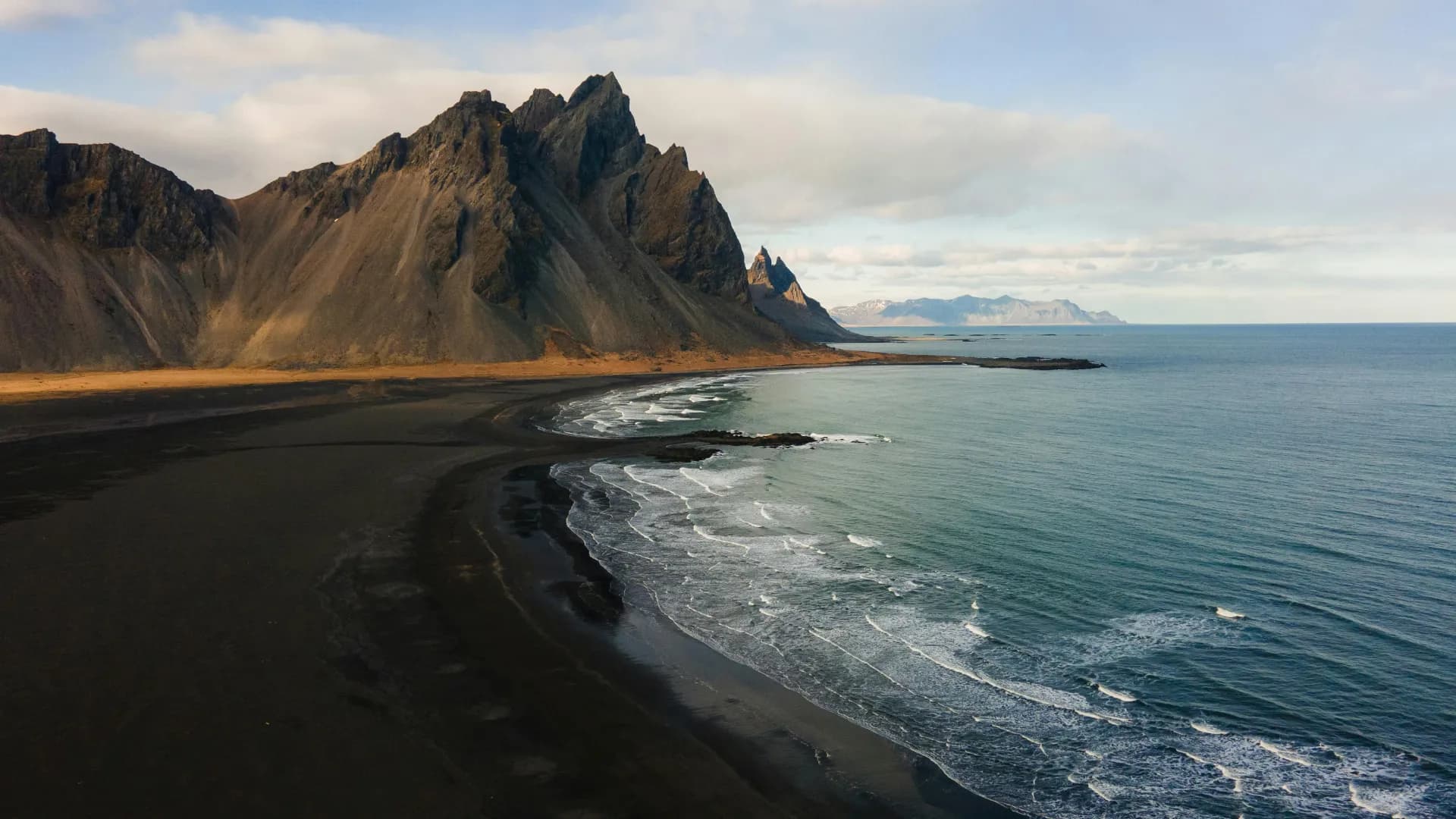
Basalt columns, crashing waves, and black sand create an otherworldly landscape. The sea stacks (Reynisdrangar) rise from the ocean. Warning: sneaker waves are genuinely dangerous here—never turn your back on the ocean.
Dyrhólaey
The massive rock arch offers views over the black beaches and, in summer, puffin colonies. The lighthouse viewpoint is one of the south coast's best.
Vík
Iceland's southernmost village provides services for south coast exploration. The church on the hill offers classic views of the sea stacks.
Jökulsárlón Glacier Lagoon
Icebergs calved from Breiðamerkurjökull glacier float through this ethereal lagoon before drifting to sea. Boat tours navigate among the ice; the Diamond Beach, where ice chunks wash ashore, is equally photogenic.
Beyond the Classics
Snæfellsnes Peninsula
"Iceland in miniature" offers glaciers, lava fields, coastal cliffs, fishing villages, and the Snæfellsjökull volcano (Jules Verne's entrance to the center of the Earth). Day-trippable from Reykjavik but better with an overnight.
The Westfjords
Iceland's most remote region rewards adventurous travelers with dramatic fjords, Europe's largest bird cliffs (Látrabjarg), and genuine solitude. Requires more time and planning.
The Highlands
Iceland's uninhabited interior—accessible only in summer via 4x4—offers lunar landscapes, highland hot springs (Landmannalaugar), and serious wilderness. Multi-day treks cross this terrain.
The North
Akureyri, Iceland's second city, anchors a region with whale watching, Mývatn's volcanic landscapes, Dettifoss (Europe's most powerful waterfall), and the diamond circle route.
The East Fjords
Winding coastal roads, fishing villages, reindeer, and fewer tourists than the south. Good for those circumnavigating Iceland.
The Northern Lights
Understanding the Aurora
The Northern Lights occur when solar particles collide with atmospheric gases. They're visible in Iceland from roughly September to April, on clear, dark nights away from city lights.
Maximizing Your Chances
- Season: September-March, with October-February best
- Time: 10pm-2am typically, though they can appear anytime it's dark
- Conditions: Clear skies essential; check the Icelandic Met Office forecast
- Location: Get away from Reykjavik's light pollution
- Patience: They're not guaranteed; plan activities even if lights don't appear
Tours vs. Self-Drive
Tours handle logistics and chase clear weather; self-drive offers flexibility. Multi-night stays outside Reykjavik (Golden Circle hotels, south coast lodges) increase opportunities.
Geothermal Bathing
The Blue Lagoon
Iceland's most famous attraction is a tourist operation built around a geothermal power plant. The milky-blue water, silica masks, and swim-up bar are undeniably pleasant. Book well ahead; prices are high; experience is somewhat manufactured but enjoyable.
Sky Lagoon
Newer Reykjavik-area alternative with infinity-edge ocean views and a seven-step spa ritual. Less famous, equally impressive, more accessible.
Secret Lagoon (Flúðir)
A natural hot spring with modest facilities. More authentic, less crowded, good Golden Circle addition.
Mývatn Nature Baths
The north's answer to Blue Lagoon—similar waters, fraction of the crowds, dramatic volcanic setting.
Local Swimming Pools
Every Icelandic town has geothermal pools where locals gather. Reykjavik alone has several; Vesturbæjarlaug and Sundhöllin are favorites. Follow the shower protocol strictly (nude, thorough, before entering).
Where to Eat
New Nordic & Fine Dining
- Dill - Iceland's first Michelin star, showcasing Icelandic ingredients
- Grillið - Panoramic views, sophisticated tasting menus
- Óx - Tiny counter-dining experience, theatrical and excellent
- Matur og Drykkur - Modern takes on traditional Icelandic dishes
Seafood & Traditional
- Grillmarket - Icelandic ingredients, open kitchen, excellent quality
- Fishmarket - Sushi and Icelandic seafood fusion
- Messinn - Fish pan specials, generous portions, good value
- Icelandic Fish & Chips - Exactly what it sounds like, sustainably done
Casual & Quick
- Bæjarins Beztu - The famous hot dog stand (Bill Clinton ate here)
- Hlöllabátar - Submarine sandwiches, local chain
- Noodle Station - Simple, warming noodle soups
- Reykjavik Roasters - Excellent coffee, multiple locations
Traditional Experiences
- Þrír Frakkar - Old-school Icelandic (whale, puffin, fermented shark)
- Café Loki - Traditional foods near Hallgrímskirkja, tourist-friendly
Outside Reykjavik
- Friðheimar - Tomato greenhouse restaurant on the Golden Circle
- Slippurinn - Excellent restaurant on Heimaey (Westman Islands)
- Hotel & restaurant scene - Improving nationwide; hotel restaurants often excellent
Where to Stay
Reykjavik
- The Reykjavik EDITION - New luxury option, excellent design
- Hotel Borg - Art Deco classic on the main square
- Canopy by Hilton - Modern, central, reliable
- Kex Hostel - Design-forward hostel in converted biscuit factory
Golden Circle Area
- Ion Adventure Hotel - Design hotel with Northern Lights wake-up calls
- Hotel Geysir - Walking distance to Geysir, comfortable base
- Friðheimar - Tomato greenhouse, boutique rooms
South Coast
- Hotel Rangá - Northern Lights observatory, country lodge feel
- Fosshotel Glacier Lagoon - Near Jökulsárlón, dramatic setting
- Various guesthouses - Family-run options throughout
Accommodation Notes
- Book ahead, especially summer and around holidays
- Prices are high by global standards
- Many travelers combine hotels with guesthouses and farm stays
- Camper vans are popular for Ring Road trips
Practical Wisdom
Getting Around
Rental Car - Essential for independence. The Ring Road (Route 1) circles the country; most attractions are accessible with a standard car in summer. 4x4 required for highland roads (F-roads) and winter confidence.
Guided Tours - Handle logistics, provide context, reach places inaccessible independently. Super Jeep tours access highlands; boat tours reach puffin islands and glaciers.
Public Transit - Limited outside Reykjavik. Buses connect major towns but schedules are infrequent.
When to Visit
- Summer (June-August) - Midnight sun, accessible highlands, puffins, green landscapes. Peak season, high prices, book everything ahead.
- Shoulder (May, September) - Decent weather, fewer crowds, possible Northern Lights in September.
- Winter (October-April) - Northern Lights, ice caves, snowy landscapes, fewer tourists. Short days, weather challenges, some roads impassable.
Weather Realities
Icelandic weather changes constantly. "If you don't like the weather, wait five minutes" is the local saying. Layers are essential. Waterproof outer layers are non-negotiable. Wind is often the bigger challenge than cold.
Costs
Iceland is expensive—among the world's most costly destinations. Budget accordingly:
- Accommodation: $150-400+/night
- Restaurant meals: $30-80+/person
- Rental cars: $80-150+/day
- Activities: $50-300+ per excursion
Saving strategies: guesthouses over hotels, grocery shopping and cooking, free attractions (many waterfalls, some hikes).
Safety
Iceland is extremely safe for people. Nature is the danger:
- Weather changes rapidly; check forecasts constantly
- Sneaker waves on black beaches kill tourists regularly
- Glacier hiking requires guides and equipment
- Highland driving demands experience and proper vehicles
- Geothermal areas have thin crusts; stay on marked paths
Driving
- Right-hand traffic
- Single-lane bridges common (yield to whoever arrives first)
- Watch for sheep on roads
- F-roads (highland) require 4x4 and river-crossing experience
- Check road.is for conditions
Suggested Itineraries
4 Days: Essential Iceland
Day 1: Arrive Reykjavik, explore the city, Hallgrímskirkja, Harpa, Laugavegur
Day 2: Golden Circle - Þingvellir, Geysir, Gullfoss, Secret Lagoon
Day 3: South Coast - Seljalandsfoss, Skógafoss, Reynisfjara, Vík
Day 4: Blue Lagoon, departure
7 Days: Comprehensive South
Add: Jökulsárlón and Diamond Beach, glacier hike, Snæfellsnes Peninsula, more Reykjavik time, Northern Lights hunting (winter)
10+ Days: Ring Road
The full circuit around Iceland, adding:
- North: Akureyri, Mývatn, Dettifoss, whale watching
- East Fjords: Scenic driving, remote villages
- West: Snæfellsnes, Westfjords (with more time)
Wildlife
Puffins
These charismatic seabirds nest in Iceland from May to August. Colonies at Dyrhólaey, Látrabjarg, and the Westman Islands offer viewing. Boat tours from Reykjavik visit nesting islands.
Whales
Húsavík is Iceland's whale-watching capital, but tours operate from Reykjavik and Akureyri. Humpbacks, minkes, and occasionally orcas appear. Summer offers best odds.
Seals
Harbor and grey seals haul out on beaches, particularly in the Westfjords, Snæfellsnes, and Vatnsnes peninsula.
Arctic Foxes
Iceland's only native land mammal is elusive but present, especially in the Westfjords.
Icelandic Horses
The distinctive breed—small, sturdy, with unique gaits—is everywhere. Many farms offer riding experiences.
Final Thoughts
Iceland strips away pretense. The landscapes are too vast, too ancient, too indifferent to human scale for anything but honesty. Standing before a glacier that's retreating visibly, watching the earth steam and bubble, walking where Vikings walked a thousand years ago—these experiences recalibrate perspective.
The country is changing. Tourism has exploded, and some sites feel overrun. Climate change is melting glaciers and shifting ecosystems. The Iceland of today won't be the Iceland of tomorrow. There's urgency in visiting, and responsibility in how we visit—staying on paths, respecting closures, supporting sustainable operations.
But the magic remains. The Northern Lights still dance on winter nights. The waterfalls still thunder. The hot springs still warm against cold winds. Iceland offers what's increasingly rare: genuine encounter with a planet that doesn't care about our Instagram feeds. Come humble, come prepared, come ready to be awed. The land of fire and ice delivers.
Ready to experience Iceland? Our Nordic specialists can arrange Northern Lights chasing, glacier adventures, and help you explore this extraordinary island beyond the Golden Circle.