Lisbon: Europe's Edge, Atlantic Soul
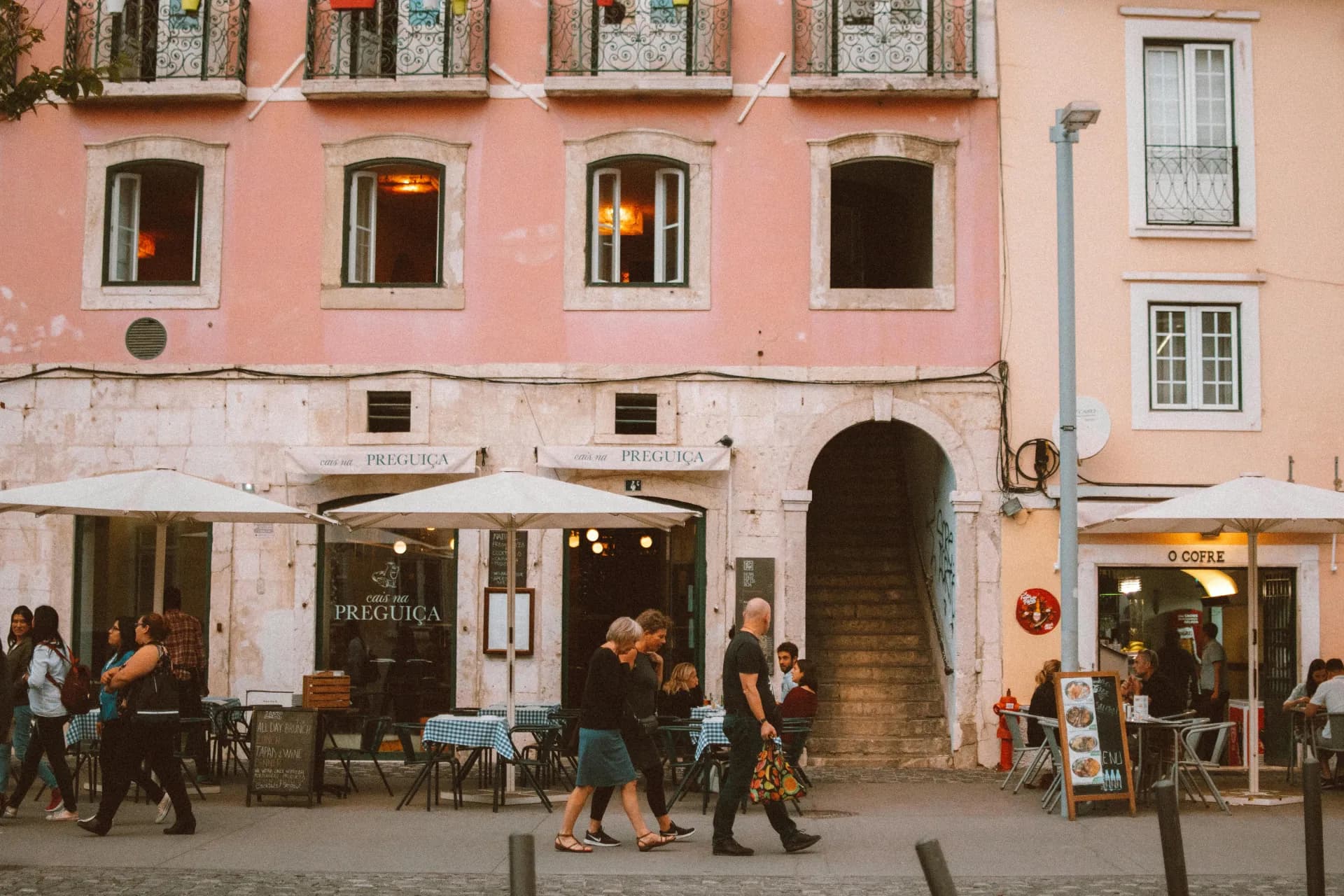
Lisbon tumbles down seven hills to the Tagus River, a city of pastel-painted buildings, rattling vintage trams, and light that photographers chase obsessively. Portugal's capital has emerged from centuries of quiet obscurity to become one of Europe's most compelling destinations—somehow managing to feel both ancient and contemporary, melancholic and joyful, proudly Portuguese and thoroughly international. The city that launched an age of exploration now welcomes the world to its sun-drenched miradouros (viewpoints), tile-covered churches, and fado houses where the soul of Portugal pours out in song.
Why Lisbon Enchants
The Light
Lisbon's light is legendary—something about the Atlantic proximity, the white limestone, the reflection off the Tagus. Late afternoon gilds the city gold. Photographers and painters have chased this light for centuries; you'll understand why within hours of arriving.
Affordable Elegance
Unlike Paris or London, Lisbon delivers European charm at reasonable prices. Excellent meals cost a fraction of other capitals. Wine is practically free by comparison. The city offers champagne experiences on beer budgets.
Walkable Character
Each neighborhood (bairro) has distinct personality: Alfama's medieval maze, Bairro Alto's nightlife chaos, Belém's monuments, LX Factory's industrial cool. All connected by hills that challenge your calves and reward with views.
Living History
The 1755 earthquake destroyed much of Lisbon, and the rebuild created Europe's first planned urban grid (Baixa). Yet medieval Alfama survived, Roman ruins peek through, and Manueline architecture celebrates the Age of Discovery. Layers upon layers, all walkable.
Lisbon's Soul: Must-Experience Places
Alfama
The oldest district survived the 1755 earthquake, and its medieval street plan remains: narrow alleys, hidden staircases, laundry strung between windows. This is Lisbon's heart—where fado was born, where neighbors still chat across streets, where getting lost is the entire point.
#### Castelo de São Jorge
The Moorish castle dominates Lisbon's skyline and offers the city's most complete panorama. Come for sunset; the ramparts and peacocks (yes, peacocks) add to the atmosphere. The castle itself is less interesting than the views.
#### Lisbon Cathedral (Sé)
Romanesque fortress-church from 1147, austere and powerful. The city's oldest church has withstood earthquakes, wars, and time. The cloister holds Roman and medieval archaeological finds.
#### Miradouro de Santa Luzia
One of Lisbon's prettiest viewpoints, with azulejo (tile) panels and bougainvillea framing views over Alfama's red rooftops to the river. Perfect for a late afternoon beer.
#### Feira da Ladra
The "Thieves' Market" flea market happens Tuesday and Saturday mornings near the Santa Clara Church. Vintage treasures, outright junk, and everything between. Arrive early for the best finds.
Baixa & Rossio
The elegant downtown, rebuilt on a grid after 1755. Grand plazas, pedestrian shopping streets, and neoclassical architecture give this district orderly European grandeur. The contrast with maze-like Alfama above couldn't be starker.
#### Praça do Comércio
Lisbon's grandest square opens to the river, framed by yellow arcaded buildings. The triumphal arch leads to Rua Augusta. Waterfront cafés offer front-row seats to the Tagus.
#### Santa Justa Elevator
This neo-Gothic iron elevator (1902) lifts passengers between Baixa and the Carmo neighborhood. Views from the top platform are excellent, but the structure itself—by a student of Eiffel—is the attraction.
#### Rossio Square
The city's traditional heart, officially Praça Dom Pedro IV. The wavy black-and-white cobblestones, baroque fountains, and the National Theatre create Lisbon's most elegant people-watching.
Bairro Alto & Chiado
Adjacent neighborhoods with different personalities. Chiado is refined—bookshops, theaters, elegant cafés. Bairro Alto is chaotic—narrow streets packed with bars that spill onto sidewalks after dark. Together they form Lisbon's cultural and nightlife heart.
#### Livraria Bertrand
The world's oldest operating bookshop (since 1732), a Chiado landmark worth visiting even if you don't read Portuguese. The vaulted rooms and literary history are atmospheric.
#### Igreja de São Roque
Plain exterior, mind-blowing interior. The Chapel of St. John the Baptist alone—commissioned from Rome, shipped piece by piece—is one of Europe's most expensive chapels ever built. Free entry.
#### Bairro Alto Nightlife
After 10pm, the narrow streets fill with crowds moving between dozens of tiny bars. Each doorway holds a different scene—from cheap ginjinha (cherry liqueur) to craft cocktails. Thursdays through Saturdays are liveliest.
Belém
Five kilometers west along the river, Belém holds Lisbon's greatest monuments—remnants of the Age of Discovery when Portuguese explorers sailed from these shores to map the world. Allow a half day minimum.
#### Jerónimos Monastery
The masterpiece of Manueline architecture, a UNESCO site celebrating Vasco da Gama's voyage to India. The church and cloisters demand time—the carved columns, the maritime motifs, the sheer ambition of stone lace.
#### Torre de Belém
The iconic riverside tower, part fortress, part ceremonial gateway for explorers departing and returning. More impressive from outside than within, but quintessentially Lisbon.
#### Pastéis de Belém
The original pastéis de nata (custard tarts) have been made here since 1837, using a secret recipe from the Jerónimos monks. The line is always long; it moves fast. Eat them warm, dusted with cinnamon.
#### MAAT
The Museum of Art, Architecture and Technology curves along the riverbank, its reflective tiles shimmering. Contemporary exhibitions inside; the rooftop walk offers Belém's best Tagus views.
LX Factory
Industrial cool under the Ponte 25 de Abril bridge. This converted factory complex holds independent shops, design studios, restaurants, and a legendary Sunday market. The vibe is creative, young, and very much of-the-moment Lisbon.
Graça & Mouraria
Often overlooked, these hilltop neighborhoods offer authentic Lisbon without Alfama's crowds. Mouraria was the Moorish quarter; Graça holds working-class roots. Both offer excellent miradouros, neighborhood restaurants, and street-level life.
#### Miradouro da Senhora do Monte
The highest viewpoint in Lisbon, with the most complete panorama. Less crowded than others, particularly magical at sunset.
#### Miradouro da Graça
Another stunning viewpoint with a café terrace, popular with locals for evening beers.
Where to Eat
Traditional Portuguese
- Belcanto - José Avillez's two-Michelin-star reinvention of Portuguese cuisine
- Taberna da Rua das Flores - Tiny, reservations essential, incredible petiscos (Portuguese tapas)
- Cervejaria Ramiro - Legendary seafood, locals and tourists alike queue for the prawns
- A Cevicheria - Peruvian-Portuguese fusion with famous hanging octopus installation
Neighborhood Gems
- Tasca do Chico - Alfama fado tavern with excellent simple food
- O Velho Eurico - No-frills Alfama classic, where locals eat
- Ponto Final - Cross the river to Cacilhas for waterfront fish and city views
- Ti Natércia - Graça neighborhood institution, homestyle cooking
Seafood
- Cervejaria Ramiro - The definitive Lisbon seafood experience
- Sea Me - Modern seafood and sushi, excellent quality
- Solar dos Presuntos - Traditional, family-run, exceptional
- Marisqueira M - Local favorite, less touristy than Ramiro
Modern & International
- Prado - Farm-to-table Portuguese in beautiful setting
- BAHR - Creative Mediterranean at trendy Príncipe Real
- Mini Bar - José Avillez's theatrical small plates
- Café de São Bento - Legendary steaks, retro atmosphere
Quick & Casual
- Time Out Market - Lisbon's best chefs under one roof at Mercado da Ribeira
- Manteigaria - Best pastéis de nata in the city center
- A Merendeira - Sandwiches and petiscos in Graça
- Casa das Bifanas - Pork sandwiches done perfectly
Where to Drink
Wine & Ginjinha
- By the Wine - José Maria da Fonseca wines by the glass
- Garrafeira Alfaia - Tiny wine bar, exceptional selection
- A Ginjinha - The original cherry liqueur spot at Rossio
- Ginjinha Sem Rival - Next door to Ginjinha, equally historic
Cocktails & Rooftops
- Park - Rooftop bar atop a parking garage, sunset essential
- TOPO - Martim Moniz rooftop with stunning views
- Pensão Amor - Former brothel turned quirky bar in Cais do Sodré
- Red Frog - Speakeasy cocktails in Príncipe Real
Craft Beer
- Cerveteca Lisboa - Portuguese craft beer specialists
- Dois Corvos Cervejeira - Brewery taproom in Marvila
- Quimera Brewpub - Brew-on-site in Santos
Nightlife
- Lux Frágil - Lisbon's legendary club, still relevant after decades
- Musicbox - Live music and DJ sets under the Pink Street
- Cais do Sodré/Pink Street - The nightlife epicenter
- Village Underground - Converted bus containers, creative events
The Fado Experience
Understanding Fado
Fado is Portugal's soul music—mournful, passionate, untranslatable. The word means "fate," and the songs speak of saudade (longing), lost love, and the sea. Born in Lisbon's working-class neighborhoods, fado still lives in the city's taverns and dedicated houses.
Where to Hear It
- Tasca do Chico - Alfama and Bairro Alto locations, authentic and affordable
- Mesa de Frades - Former chapel, intimate and powerful
- Clube de Fado - More formal but excellent quality
- Sr. Fado - Good introduction for newcomers
Fado Etiquette
- Silence during performances is mandatory
- Don't photograph with flash
- Dinner reservations usually required at formal houses
- Cover charges or minimums are standard
Where to Stay
Baixa/Chiado
Central, convenient, and elegant. Walking distance to everything. Hotel options range from boutique (The Lumiares, Memmo Alfama) to historic (Hotel Avenida Palace).
Alfama
Atmospheric but limited hotel options. Several excellent guesthouses and vacation rentals. Steep hills and cobblestones mean rolling luggage is miserable.
Príncipe Real
Lisbon's trendiest neighborhood: garden square, antique shops, excellent restaurants. Less central but very livable. The Vintage Hotel and Torel Palace lead.
Bairro Alto
Party central—great for nightlife lovers, not for early sleepers. Limited hotels; mostly rentals.
Belém
Far from the center but near monuments. Good for those wanting calm evenings; requires transit for nightlife.
Practical Wisdom
Getting Around
Walking - Essential and rewarding, despite the hills. Comfortable shoes are non-negotiable.
Tram 28 - The iconic yellow tram winds through Alfama, Baixa, and Bairro Alto. Touristy and pickpocket-prone but worth doing once. Go early morning or use other lines.
Metro - Clean, efficient, covers most areas. Artwork varies by station.
Elevators & Funiculars - The Santa Justa, Gloria, Bica, and Lavra lifts/funiculars help with hills and are attractions themselves.
Taxis & Rideshare - Cheap by European standards. Uber and Bolt work well.
When to Visit
- Spring (March-May) - Ideal. Mild, sunny, jacarandas bloom purple in April.
- Summer (June-September) - Hot, crowded, but festive. Santos Populares festivals in June are magical.
- Fall (September-November) - Warm, fewer tourists, excellent.
- Winter (December-February) - Mild but rainy. Lowest prices, locals have the city back.
The Hills Reality
Lisbon's seven hills are no joke. Build in rest time. Use elevators and funiculars shamelessly. Accept that you'll be sore.
Azulejos (Tiles)
The blue-and-white tiles covering buildings are Lisbon's signature. The Museu Nacional do Azulejo traces their history. Simply walking the streets is a tile tour.
Tipping
Not obligatory but appreciated. Round up or add 5-10% at restaurants. Nothing expected at bars. Small tips for exceptional service.
Language
Portuguese, which sounds nothing like Spanish (despite appearances). English is widely spoken in tourist areas. Learning "obrigado/obrigada" (thank you) is appreciated.
Safety
Lisbon is very safe by major city standards. Pickpocketing exists in tourist areas, especially Tram 28 and crowded viewpoints. Normal urban awareness suffices.
Suggested Itineraries
3 Days: Essential Lisbon
Day 1: Baixa morning (Rossio, Rua Augusta, Praça do Comércio), Santa Justa Elevator, Chiado lunch, Bairro Alto wander, evening fado in Alfama
Day 2: Alfama morning (Castelo, Sé, get lost in alleys), Time Out Market lunch, afternoon at Belém (Jerónimos, tower, pastéis)
Day 3: Graça and Mouraria miradouros, LX Factory lunch/browse, Príncipe Real, sunset drinks at Park bar
5 Days: Deeper Lisbon
Add: Sintra day trip (essential), Museu Nacional do Azulejo, Marvila brewery district, deeper neighborhood exploration, serious fado evening
7 Days: Lisbon & Beyond
Add: Cascais and Estoril coast, Setúbal or Arrábida day trip, Óbidos, more in-depth Lisbon (modern art museums, Manueline architecture focus, food deep-dive)
Day Trips
Sintra
Non-negotiable. The UNESCO-listed mountain town holds fantasy palaces—Pena Palace's Romantic excess, Quinta da Regaleira's mystical gardens, Moorish Castle ruins. 40 minutes by train; expect crowds but persevere.
Cascais & Estoril
Beach towns 30 minutes west. Cascais has a charming old town, excellent seafood, and the dramatic Boca do Inferno (Hell's Mouth) sea cliffs. Estoril offers casino glamour. Combine for a day.
Setúbal & Arrábida
South across the river, the Serra da Arrábida offers dramatic cliffs, hidden beaches, and the fishing town of Setúbal. Rent a car for flexibility.
Óbidos
Medieval walled town, 1 hour north. Charming if touristy. Famous for ginjinha served in chocolate cups.
Évora
Alentejo's capital, 90 minutes east. Roman temple, bone chapel, cork forests. Deserves an overnight but works as a long day trip.
The Pastéis de Nata Quest
These custard tarts are serious business. The recipe originated with Jerónimos monks; Pastéis de Belém has made them since 1837 and guards the original recipe. But excellent versions exist throughout the city.
The Contenders
- Pastéis de Belém - The original, worth the queue
- Manteigaria - Many locals' favorite, multiple locations
- Aloma - Consistent quality, less crowded
- Fabrica da Nata - Good option near Rossio
How to Eat Them
Warm is best. Dust with cinnamon and powdered sugar. The shell should shatter; the custard should be creamy. One is never enough.
Final Thoughts
Lisbon grows on you slowly, then completely. The first impressions—the light, the tiles, the hills—give way to deeper appreciation: the neighborhood rhythms, the fado after midnight, the way evening light turns everything gold. This is a city that rewards lingering, that reveals itself in the third coffee at a local café, in the conversation with a shopkeeper, in the view you discover down an unmarked stairway.
The Portuguese have a word that defies translation: saudade. It means longing, nostalgia, the presence of absence. Lisbon embodies it—a former imperial capital now content at Europe's edge, melancholic and joyful in equal measure. The city doesn't chase trends or compete with Paris or London. It simply exists, beautifully, and welcomes those who discover it.
Come for the pastéis de nata and the viewpoints; stay for the soul. Let the hills slow you down. Let the fado move you. Let the light seduce you. Lisbon asks only that you arrive open to its particular magic—and it delivers experiences that settle somewhere deep, ensuring you'll carry a piece of this city long after you leave.
Ready to experience Lisbon? Our Portugal specialists can arrange fado evenings, secure tables at impossible restaurants, and guide you to the miradouros where locals actually watch the sunset.