Istanbul: Where East Meets West
Istanbul doesn't ask you to choose between continents. It simply straddles both, the Bosphorus strait slicing between Europe and Asia like a shimmering blue blade. For over 2,500 years, this city has been Constantinople, Byzantium, and Istanbul—capital of empires, crossroads of civilizations, and today, one of the world's most dynamic metropolises. The minarets and domes that punctuate the skyline tell only part of the story. The rest unfolds in hidden courtyards, on crowded ferries, over endless glasses of tea, and in the smoky depths of the Grand Bazaar.
Why Istanbul Captivates
The Weight of History
Three empires made this city their capital: Roman, Byzantine, Ottoman. That layering creates a palimpsest where you can stand in a Byzantine cistern, emerge to Ottoman mosques, and grab lunch in a building that's been a restaurant since 1927. History here isn't distant—it's the backdrop of daily life.
The Geographic Drama
The city is dramatic geography made urban. Hills cascade down to water. The Golden Horn inlet divides the European side. The Bosphorus separates continents. Ferries crisscross constantly, and some of the world's largest ships glide past residential neighborhoods. It's a city best understood from the water.
Living Culture
Unlike cities where tradition is preserved in museums, Istanbul's culture breathes. The call to prayer echoes five times daily. Craftsmen in the bazaars work techniques passed down for centuries. Tea rituals punctuate every business meeting. The culture isn't curated—it's continuous.
Culinary Obsession
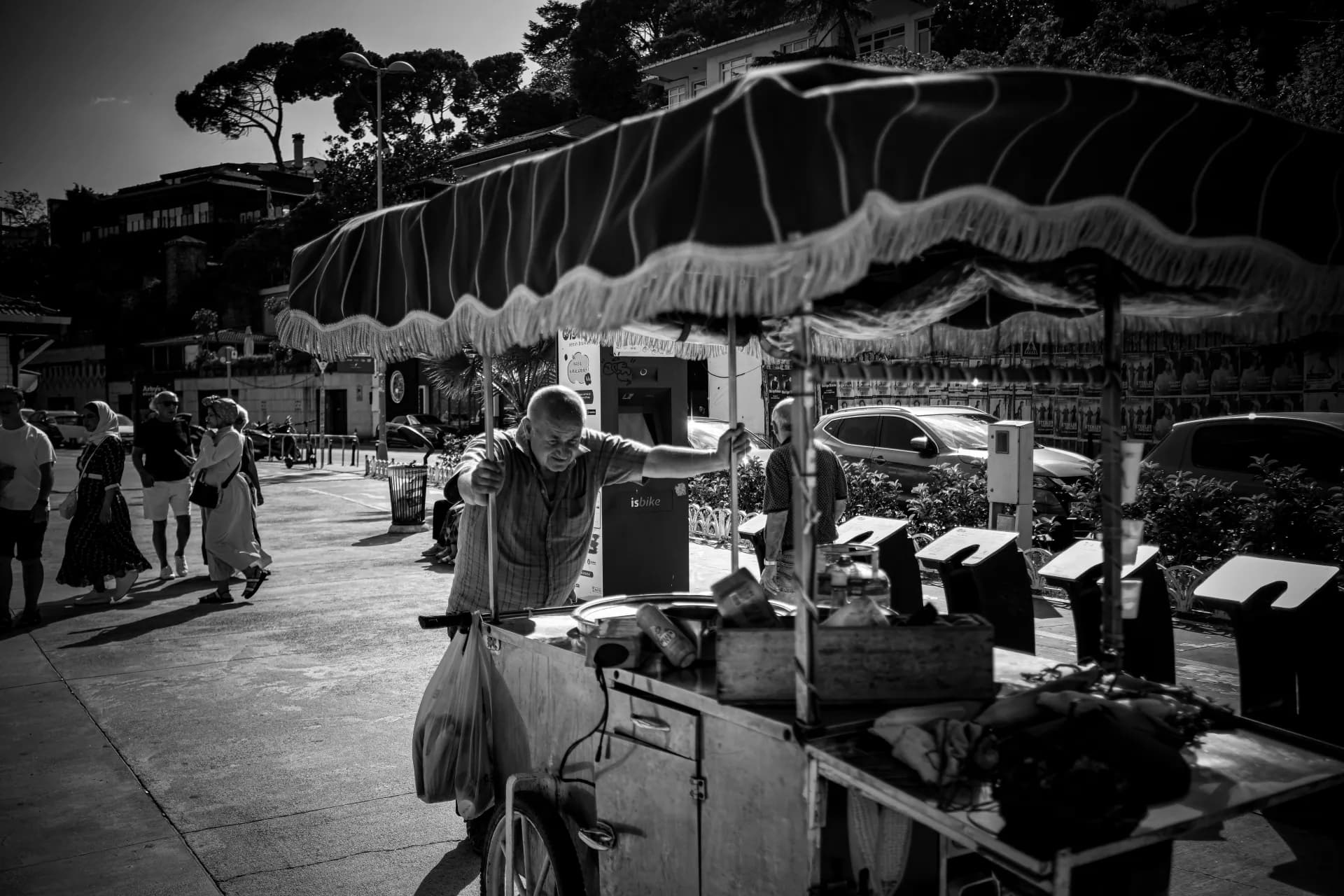
Turkish cuisine is vast, and Istanbul is its laboratory. From fish sandwiches on the Galata Bridge to multi-course Ottoman feasts, from street-corner simit carts to legendary meyhanes (Turkish taverns), food here is serious business approached with infectious joy.
Istanbul's Soul: Must-Experience Places
Sultanahmet: The Historic Peninsula
#### Hagia Sophia
For nearly a thousand years, this was the world's largest cathedral. Then it became a mosque, then a museum, and now a mosque again. The architectural audacity still stuns—that massive dome seemingly floating on light. Go early and let your eyes adjust to the dim majesty. The Byzantine mosaics that remain, the Ottoman calligraphy that was added, the sheer scale of human ambition—it all coexists in one impossible building.
#### Blue Mosque (Sultan Ahmed Mosque)
The six minarets were controversial when built—only Mecca had as many. Inside, over 20,000 hand-painted blue İznik tiles give it its nickname. Visit during prayer times to experience it as worship space, or early morning for photographs. Non-Muslims enter through a side door; cover shoulders and knees, remove shoes.
#### Topkapı Palace
The Ottoman sultans ruled their empire from this sprawling complex for 400 years. The Harem, where the sultan's family lived, reveals surprisingly intimate spaces. The Treasury displays jaw-dropping jewels including the 86-carat Spoonmaker's Diamond. The kitchens alone employed 800 people. Allow half a day; the audio guide helps decode the complex.
#### The Hippodrome
Once a Roman chariot-racing stadium seating 100,000, now a pleasant park. The Egyptian Obelisk (3,500 years old), Serpentine Column (from Delphi, 2,500 years old), and German Fountain hint at the layers beneath your feet.
#### Basilica Cistern
This underground Byzantine cathedral-sized water storage system is eerily beautiful—336 columns rising from shallow water, dramatic lighting, classical music drifting through the vaulted space. Don't miss the two Medusa-head column bases, one sideways, one inverted.
The Grand Bazaar & Spice Market
The Grand Bazaar is overwhelming by design—over 4,000 shops in 61 covered streets. Go without a purchase agenda first, just to absorb the sensory overload. Carpets, ceramics, jewelry, textiles, leather—the quality varies wildly, and negotiation is mandatory. The Spice Market (Egyptian Bazaar) is smaller, more fragrant, and easier to navigate. Beyond the tourist-targeting shops, the surrounding streets hold the real gems—specialist merchants trading in everything from herbs to handicrafts.
Beyoğlu & Modern Istanbul
#### İstiklal Avenue
This pedestrian boulevard stretches from Taksim Square to Galata. Once the grand European avenue of Constantinople, it's now a perpetual crowd of shoppers, street performers, and café-hoppers. The nostalgic red tram runs its length. The side streets reveal hidden churches, passages (pasajlar) full of bars and music venues, and architectural remnants of the city's cosmopolitan past.
#### Galata Tower
This 14th-century Genoese watchtower provides the iconic panoramic view of the Golden Horn, Sultanahmet, and the Asian shore. Come for sunset, but expect crowds. The neighborhood below—steep cobblestone streets, trendy cafés, vintage shops—is Istanbul's most photogenic.
#### Taksim Square
The symbolic heart of modern Istanbul, site of protests and celebrations. The Monument of the Republic anchors the plaza. The surrounding area offers Istanbul's best nightlife and contemporary art galleries.
The Bosphorus
#### Ferry Experience
Don't just admire the strait—ride it. The public ferry from Eminönü to Anadolu Kavağı takes 90 minutes each way, passing Ottoman palaces, wooden mansions (yalı), fortresses, and fishing villages. Cheaper than tour boats and more authentic. Pack a simit (sesame bread ring) and watch the city unfold.
#### Ortaköy
On the European shore beneath the Bosphorus Bridge, this former fishing village draws weekend crowds to its waterfront cafés and the photogenic Mecidiye Mosque. The kumpir (massive stuffed baked potatoes) are legendary.
#### Asian Shore
Taking the ferry to Kadıköy or Üsküdar feels like discovering a secret. Kadıköy's market streets, Moda's seaside promenades, Üsküdar's Ottoman mosques—the Asian side is calmer, more residential, and proudly different from the European chaos.
The Religious Mosaic
#### Süleymaniye Mosque
Many argue this is Istanbul's finest mosque. Architect Sinan's masterpiece sits atop the city's highest hill with commanding views. The interior achieves a transcendent simplicity, and the surrounding complex (madrasa, hospital, soup kitchen) shows Ottoman civic ambition. Fewer tourists than the Blue Mosque, more spiritual impact.
#### Rüstem Paşa Mosque
Hidden above a market near the Spice Bazaar, this small mosque contains the finest İznik tilework in Istanbul. Find the unmarked entrance, climb the stairs, and enter a ceramic wonderland.
#### Chora Church (Kariye Museum)
In a quiet neighborhood far from Sultanahmet, this Byzantine church holds the world's finest preserved Byzantine mosaics and frescoes. Recently converted to a mosque, the sacred art remains visible. Worth the journey.
Neighborhoods to Wander
#### Balat & Fener
These historic Jewish and Greek neighborhoods along the Golden Horn are having a moment. Colorful Ottoman houses, antique shops, hip cafés, the imposing Fener Greek Patriarchate, and genuine neighborhood life unspoiled by mass tourism (though changing rapidly).
#### Karaköy
Once the port district, now Istanbul's trendiest neighborhood. Art galleries in converted warehouses, specialty coffee shops, innovative restaurants, rooftop bars—all within steps of the commuter ferries.
#### Arnavutköy
A perfectly preserved 19th-century Bosphorus village, miraculously surviving on the European shore. Wooden houses cascading to the water, seafood restaurants, a timeless atmosphere.
Where to Eat
Traditional Must-Tries
- Çiya Sofrası (Kadıköy) - Anatolian dishes you won't find elsewhere, ever-changing menu of regional specialties
- Karaköy Lokantası - Updated Turkish classics in a beautiful setting
- Tarihi Karaköy Balıkçısı - No-frills fish in Karaköy's backstreets
- Hünkar - Ottoman cuisine done properly across multiple locations
Street Food That Matters
- Balık Ekmek - Fish sandwiches from the boats at Eminönü, controversial but iconic
- Kokoreç - Lamb intestine sandwich—don't knock it until you've tried it
- Lahmacun - Paper-thin pizza-like flatbread, roll it with herbs and squeeze lemon
- Midye Dolma - Stuffed mussels sold from carts throughout the city
- Simit - Ubiquitous sesame bread rings, Istanbul's breakfast staple
Meyhane Experience
The meyhane is Turkey's answer to tapas bars—endless small dishes (meze) washed down with rakı (anise spirit). Try Refik (Beyoğlu), Asmalı Cavit (same area), or the meyhane streets of Nevizade.
Modern Scene
- Mikla - Rooftop fine dining with panoramic views, Turkish-Scandinavian fusion
- Neolokal - Ottoman recipes reinvented in the historic Salt Galata building
- Gram - Creative small plates in Karaköy
Sweet Life
- Karaköy Güllüoğlu - The baklava benchmark, family-operated since 1871
- Hafız Mustafa - Historic sweets near the Spice Market
- Turkish coffee - Anywhere, but particularly the traditional kahvehane (coffeehouses)
Where to Stay
Sultanahmet
Staying amid the monuments means walking to the sights but dealing with tourist-centric everything. Choose carefully—quality varies wildly. Best for first-time visitors wanting the historic immersion.
Beyoğlu (Galata/Karaköy/Pera)
The sweet spot for most visitors. Close enough to old Istanbul, embedded in the modern city, best restaurants and nightlife. Galata offers boutique charm; Karaköy has the trendiest hotels.
Beşiktaş/Ortaköy
For Bosphorus proximity and a less touristy neighborhood feel. Good transit connections but further from historical sights.
Asian Side (Kadıköy)
Rarely recommended but worth considering—authentic neighborhood life, excellent food scene, just a ferry ride from everything. Best for repeat visitors or longer stays.
Practical Wisdom
Getting Around
Metro/Tram - Clean, efficient, covers main tourist areas. The T1 tram links Sultanahmet to Beyoğlu via the Galata Bridge.
Ferries - Essential Istanbul experience. Cheap, scenic, practical. Vapur (big ferries) and motor (small ones) crisscross constantly.
Istanbulkart - Get this rechargeable transit card immediately. Works on all public transit, saves significant money.
Taxis - Finally improved with mandatory GPS meters. Apps like BiTaksi eliminate haggling.
Walking - Essential but exhausting—the hills are serious. Wear comfortable shoes and embrace the climbs.
When to Visit
- Spring (April-May) - Ideal. Mild weather, tulip festivals, manageable crowds
- Fall (September-October) - Equally good. Warm but not brutal, golden light
- Summer (June-August) - Hot and humid, but festive. Bosphorus breezes help.
- Winter (December-February) - Cold and occasionally snowy. Quietest, cheapest, atmospheric.
Ramadan & Holidays
During Ramadan, some restaurants close during daylight hours (though tourist areas operate normally). Iftar (fast-breaking dinner) is magical to witness. Bayram (Eid) holidays mean domestic tourist floods and some closures.
Safety
Istanbul is generally safe for tourists. Petty theft exists in crowded areas. Be wary of overly friendly strangers (the "shoe shine scam," the "friendly local" leading to a bar). Trust your instincts. Political tensions occasionally flare but rarely affect tourist areas.
Costs
Istanbul spans budgets. You can eat magnificently for $10 or spend $200 on a meal. Museums are affordable. Hotels range wildly—boutique bargains exist alongside overpriced mediocrity.
The Tea Ritual
Accept the tea. It will be offered everywhere—in shops, offices, conversations. Declining is nearly rude. The tiny tulip-shaped glasses, the amber color, the two-piece brewing pot—it's the social lubricant of Turkish life.
Bargaining
Expected in the Grand Bazaar, inappropriate in modern retail. Start at 50% of quoted price, settle around 70%. If you're not prepared to buy, don't engage seriously. "Just looking" is acceptable.
Suggested Itineraries
3 Days: The Essentials
Day 1: Hagia Sophia, Blue Mosque, Basilica Cistern, hippodrome, Sultanahmet lunch, Topkapı Palace afternoon
Day 2: Grand Bazaar morning, Spice Market, lunch in Karaköy, Galata Tower sunset, İstiklal Avenue evening, meyhane dinner
Day 3: Ferry to Asian side, Kadıköy market exploration, return for Süleymaniye Mosque, final Bosphorus sunset
5 Days: Deeper Istanbul
Add: Chora Church and Balat/Fener exploration, full Bosphorus cruise, Dolmabahçe Palace, hammam experience, serious food exploration
7 Days: The Complete City
Add: Day trip to Princes' Islands, Rahmi Koç Museum (transport history), Beylerbeyi Palace (Asian side), cooking class, deeper neighborhood exploration, repeat favorites at different times
The Hammam Experience
The Turkish bath (hammam) isn't just bathing—it's a cultural ritual. Historic hammams include:
- Çemberlitaş Hamamı - Tourist-friendly, beautifully restored, professional
- Ayasofya Hürrem Sultan Hamamı - Luxurious, pricey, Sinan-designed
- Kılıç Ali Paşa Hamamı - Atmospheric, less touristy
The ritual: Steam room, hot stone (göbek taşı) rest, vigorous scrubbing (kese), foam massage, cool-down. Allow 1-2 hours. Tipping is customary. Go before a big meal, not after.
Day Trips & Excursions
Princes' Islands
A ferry ride to a car-free archipelago. Büyükada (the largest) offers Victorian mansions, horse carriages (being phased out for electric vehicles), pine forests, and seafood restaurants. Escape the city without leaving it.
Edirne
The old Ottoman capital, 2.5 hours west. The Selimiye Mosque—Sinan's declared masterpiece—justifies the journey alone. Plus historic wrestling matches in summer.
Black Sea Villages
For escapes to the north coast—Şile for beaches, Ağva for weekend retreats.
Final Thoughts
Istanbul resists simplification. It's not just East meeting West—that cliché collapses under the city's actual complexity. This is a place where you can hear the call to prayer echo off church walls, where a Byzantine tunnel emerges into an Ottoman garden, where a 500-year-old bazaar sells both traditional crafts and counterfeit handbags. The contradictions aren't bugs—they're features.
The city demands surrender. You can't control Istanbul; you can only let it sweep you along its ferries, through its bazaars, up its hills, and into its tea houses. Fight the chaos, and you'll exhaust yourself. Accept it, and you'll discover why empires fought for this improbable, impossible city on the strait.
Come with time. Three days is a taste; a week is a start; a lifetime wouldn't exhaust it. But whatever time you have, give yourself to the city. Walk until you're lost, eat until you're full, talk to strangers, and ride the ferries at sunset. Istanbul rewards those who let it work its timeless, chaotic magic.
Ready to explore Istanbul? Our Turkey specialists can arrange private tours of the Harem, secure reservations at legendary meyhanes, and guide you to the city's hidden corners beyond the guidebooks.