Hawaii: Paradise in the Pacific
Hawaii is America's tropical escape—volcanic islands in the middle of the Pacific offering beaches, adventures, and a laid-back lifestyle unlike anywhere else in the United States. The world's most isolated population center (over 2,400 miles from the nearest continent), Hawaii developed unique ecosystems, cultures, and the legendary "aloha spirit" that welcomes millions of visitors annually1. Each island has its own personality, from bustling Oahu to remote Molokai.
Understanding Hawaii
The Islands
Hawaii comprises eight main islands, six of which are open to tourism:
Oahu: "The Gathering Place" hosts Honolulu, Waikiki Beach, and 70% of Hawaii's population. Most visited island, best infrastructure.
Maui: "The Valley Isle" offers diverse landscapes from beaches to Haleakala volcano. Romantic honeymoon favorite.
Big Island (Hawaii): Largest island (twice the size of all others combined), home to active Kilauea volcano and 11 of the world's 13 climate zones.
Kauai: "The Garden Isle" features the most dramatic scenery—Na Pali Coast, Waimea Canyon. Oldest main island geologically.
Molokai: Least developed, most authentically Hawaiian. Home to Kalaupapa National Historical Park.
Lanai: Small, exclusive, dominated by Four Seasons resorts. Former Dole pineapple plantation.
Why Hawaii Captivates
- Stunning natural beauty—beaches, volcanoes, rainforests, waterfalls
- Year-round warm weather (no real winter)
- World-class beaches for swimming, surfing, and snorkeling
- Rich Polynesian heritage and living culture
- No passport needed for US citizens
- Exceptional tourism infrastructure
- Unique wildlife and ecosystems found nowhere else
Best Time to Visit
Peak Season (December-April)
- Humpback whale watching season (best: January-March)2
- Higher prices and holiday crowds
- Slightly more rain, but still warm
- Book accommodations and car rentals 3-6 months ahead
Shoulder Season (April-May, September-November)
- Great weather throughout the islands
- Lower prices and fewer crowds
- Excellent value for travelers
- More availability at popular restaurants and activities
Summer (June-August)
- Peak family vacation period
- Warmest, driest weather
- South shore ocean conditions calmest
- Popular with families and domestic tourists
Year-Round Constants
- Temperatures: 75-85°F (24-29°C) typical
- Trade winds keep humidity comfortable
- Microclimates: windward (east) sides get rain, leeward (west) sides are dry
- Ocean water warm enough for swimming year-round
Oahu: The Gathering Place
Home to Honolulu and Waikiki Beach, Oahu is Hawaii's most visited island. While often criticized as "too developed," it offers world-class experiences beyond the resort strips3.
Honolulu & Waikiki
Waikiki Beach: The iconic crescent of sand beneath Diamond Head. Learn to surf here—gentle waves are perfect for beginners. Duke Kahanamoku statue honors surfing's founder.
Diamond Head: Hawaii's most famous hike (1.6 miles roundtrip). Start early to beat heat and crowds. Spectacular views of Waikiki from the 760-foot summit4.
Pearl Harbor: USS Arizona Memorial, USS Missouri, and Pacific Aviation Museum tell the story of December 7, 1941. Reserve free memorial tickets at recreation.gov months ahead5.
Chinatown: Honolulu's grittiest neighborhood offers the best local food—pho, dim sum, and plate lunches.
North Shore
The legendary North Shore transforms with the seasons. Winter brings massive waves (Pipeline, Sunset Beach) and the Triple Crown of Surfing. Summer offers calm water and excellent snorkeling.
- Pipeline & Sunset Beach: Watch world-class surfing (December-February)
- Laniakea Beach (Turtle Beach): Green sea turtles rest on the sand—keep required 10-foot distance
- Haleiwa: Historic surf town with shave ice institutions (Matsumoto's) and food trucks
- Shark's Cove: Excellent summer snorkeling in tide pools
Must-Do Oahu Experiences
- Pearl Harbor (book Arizona tickets early)
- Diamond Head sunrise hike
- Hanauma Bay snorkeling (reservations required)6
- North Shore shrimp trucks (Giovanni's, Romy's)
- Polynesian Cultural Center (authentic cultural shows)
- Lanikai Beach (stunning, off-the-beaten-path)
- Kailua town exploration
Maui: The Valley Isle
Maui consistently ranks among the world's best islands. Its combination of beaches, upcountry farms, and scenic drives offers something for everyone7.
West Maui (Lahaina/Kaanapali)
The resort coast offers:
- Kaanapali Beach: Resort beach with cliff-diving at Black Rock
- Lahaina: Historic whaling town with Front Street shops (partially rebuilt after 2023 fire)
- Sunset cruises: Catamarans depart for snorkeling and whale watching
- Kapalua: Upscale resort area with beautiful bays
South Maui (Wailea/Kihei)
The sunny, dry side of the island:
- Wailea: Luxury resorts, manicured beaches, upscale dining
- Kihei: Budget-friendly condos, local vibe
- Makena (Big Beach): Beautiful undeveloped beach
Road to Hana
One of America's great drives: 620 curves, 59 bridges, and countless waterfalls over 52 miles8. Plan properly:
- Start early (6-7 AM) to enjoy stops without rushing
- Allow a full day or stay overnight in Hana
- Key stops: Twin Falls, Waikamoi Ridge, Ke'anae Peninsula, Wailua Falls
- Seven Sacred Pools (Ohe'o Gulch) at the end requires separate entry
- Consider returning via backside (rougher road, check rental car restrictions)
Haleakala National Park
The massive shield volcano's summit rises 10,023 feet above sea level. Experiences include:
- Sunrise: Reservations required (book 60 days ahead at recreation.gov)—watching the sun rise above the clouds is transcendent9
- Biking: Coast down from summit with guided tour companies
- Hiking: Crater trails offer otherworldly landscapes
- Stargazing: Some of the world's clearest skies after dark
- Silversword plants: Endemic to Haleakala, nowhere else on Earth
Big Island: Island of Hawaii
The youngest and largest island (4,028 square miles—bigger than all other islands combined) offers everything from snow-capped peaks to lava fields10.
Hawaii Volcanoes National Park
One of the world's most active volcanic areas:
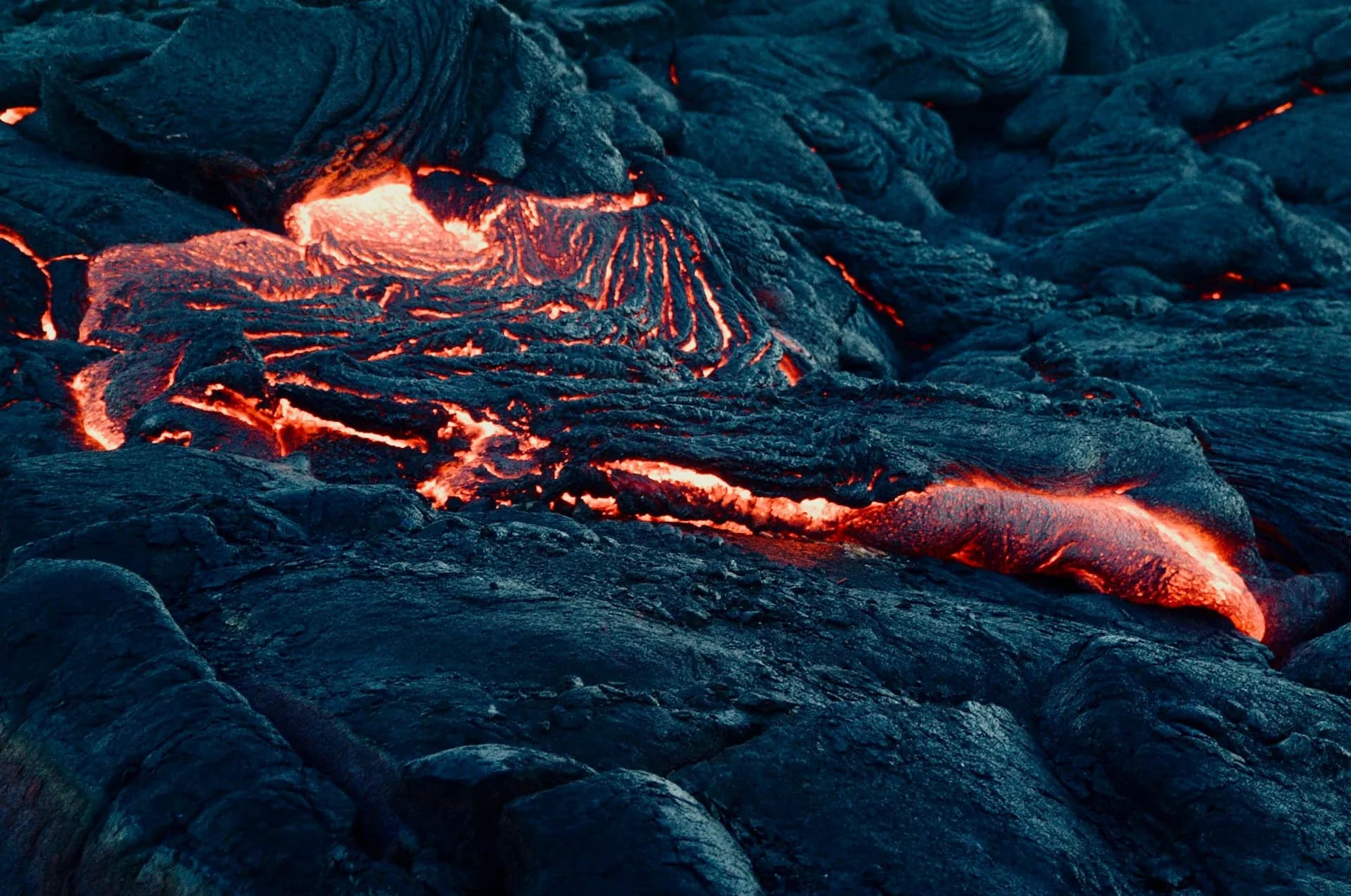
- Kilauea: Active since 1983, with periods of dramatic eruption. Check current conditions—lava viewing depends on volcanic activity11
- Chain of Craters Road: 19-mile drive through lava fields to the coast
- Thurston Lava Tube: Walk through a 500-year-old lava tube
- Steam vents: Feel geothermal heat from the earth
- Night viewing: When erupting, crater glow is spectacular after dark
Kona Coast (West)
The sunny, dry side:
- Kona coffee: Tour farms in the coffee belt above Kailua-Kona
- Kealakekua Bay: Snorkel with dolphins at Captain Cook monument (kayak or boat access)
- Two-Step: Excellent snorkeling spot at Honaunau
- Manta ray night dive/snorkel: Swim with manta rays attracted by lights—magical12
Hilo (East)
The rainy side offers lush landscapes:
- Akaka Falls: 442-foot waterfall, easy walk
- Rainbow Falls: Visible from overlook, rainbows common
- Hilo town: Authentic local feel, farmers market, affordable
- Volcanoes National Park access: Closer than Kona side
Unique Big Island Experiences
- Mauna Kea stargazing: Drive to 13,796-foot summit for world-class astronomy. Visitor center at 9,200 feet offers free stargazing programs
- Green sand beach (Papakolea): One of four green sand beaches in the world—olivine crystals. Requires 5-mile roundtrip hike or 4WD
- Black sand beach (Punaluu): Sea turtles rest on volcanic sand
Kauai: The Garden Isle
The oldest of the main islands, Kauai features dramatic erosion-sculpted landscapes. It's the least developed and most scenically stunning13.
Na Pali Coast
The most dramatic coastline in Hawaii—15 miles of emerald cliffs rising 4,000 feet from the ocean. Experience it three ways:
- By boat: Catamaran tours (summer for calmer seas) view sea caves and waterfalls
- By air: Helicopter tours offer comprehensive views
- On foot: Kalalau Trail—11-mile hike requiring overnight camping permit (lottery system)
Waimea Canyon
"The Grand Canyon of the Pacific" stretches 14 miles long and 3,600 feet deep:
- Multiple overlooks along Waimea Canyon Drive
- Best morning light (afternoon clouds common)
- Hiking trails for all levels
- Kalalau Lookout at road's end for Na Pali views
North Shore
Magical when weather cooperates (winter can be wet):
- Hanalei Bay: Picture-perfect bay, stand-up paddleboarding
- Princeville: Upscale resort area
- Tunnels Beach (Makua): Excellent snorkeling
- Ke'e Beach: End of road, Kalalau Trail start
South Shore
Drier, sunnier weather:
- Poipu Beach: Best all-around beach for swimming, snorkeling
- Spouting Horn: Natural blowhole geyser
- National Tropical Botanical Garden: Living collections of tropical plants
Hawaiian Culture: More Than Tourism
The Aloha Spirit
"Aloha" means far more than hello and goodbye—it's a philosophy of living with love, respect, and compassion. The official Hawaii state law defines aloha as "the coordination of mind and heart"14.
Cultural Experiences
- Luau: Traditional feast with imu (underground oven) pig, poi, and hula. Tourist-oriented but fun. Best: Old Lahaina Luau (Maui), Chief's Luau (Oahu)
- Hula: Sacred dance telling stories through movement. Seek authentic performances beyond resort shows
- Hawaiian music: Slack-key guitar (ki ho'alu) and ukulele. George Kahumoku Jr. offers concerts on Maui
- Lei greeting: Fresh flower lei are traditional welcome. Airport lei greeting services available
Showing Respect
- Remove shoes when entering homes
- "Malama ka 'aina"—care for the land
- Don't stack rocks (can disturb sacred sites)
- Don't take lava rocks (cultural taboo)
- Learn basic Hawaiian: Mahalo (thank you), 'Aina (land), Ohana (family)
Practical Information
Getting There & Around
Direct flights serve Honolulu from most major US cities. Some direct flights reach Maui, Big Island (Kona), and Kauai. Inter-island flights (Hawaiian Airlines, Southwest) take 30-45 minutes.
Rental cars: Essential on all islands except Waikiki. Book early—shortages are common. Jeep/4WD useful for certain roads (Big Island especially).
Costs
Hawaii is expensive:
- Budget: $150-200/day (hostels, vacation rentals, cook own meals)
- Mid-range: $300-500/day (hotels, restaurants, activities)
- Luxury: $600+/day (resorts, fine dining)
Money-saving tips: Vacation rentals, grocery stores (Costco), happy hours, free beaches and hikes.
What to Pack
- Reef-safe sunscreen (required by law—oxybenzone and octinoxate banned)15
- Water shoes for rocky beaches
- Rain jacket (especially windward sides)
- Light layers (cooler at elevation)
- Hiking shoes
- Casual dress code throughout
Sample Itineraries
Classic Hawaii (10 Days)
- Oahu (4 days): Waikiki, Pearl Harbor, North Shore, Diamond Head
- Maui (6 days): Road to Hana, Haleakala, beaches, snorkeling
Adventure Focus (10 Days)
- Big Island (5 days): Volcanoes, Mauna Kea, manta rays, green sand beach
- Kauai (5 days): Na Pali, Waimea Canyon, hiking
Romantic Escape (7 Days)
- Maui (4 days): Wailea resorts, Road to Hana, Haleakala sunrise
- Kauai (3 days): Na Pali sunset cruise, quiet beaches
Final Thoughts
Hawaii is more than beaches—though those are spectacular. It's where Polynesian culture meets American accessibility, where active volcanoes build new land, where the aloha spirit genuinely exists. Yes, it's expensive. Yes, it's touristy in spots. But find your quiet beach, watch a sunset paint the sky, and understand why people fall in love with these islands.
Ready for Hawaii? Our Hawaii specialists can design an island-hopping itinerary tailored to your interests.
---
Hawaiian Culture & Heritage
Ancient Hawaiian Traditions
Hawaiian culture developed in isolation for over 1,000 years before Western contact:
Ahupua'a system: Traditional land divisions ran from mountain to sea, ensuring each community had access to all resources—an early sustainability model.
Kapu system: Sacred laws governed society. Violations could mean death. The kapu system was abolished in 1819, shortly before missionaries arrived.
Navigation: Polynesians navigated thousands of miles using stars, ocean swells, and bird flight patterns—extraordinary feats that brought their ancestors to Hawaii.
Hawaiian Renaissance
Since the 1970s, Hawaii has experienced a cultural revival:
Language: Hawaiian (ʻŌlelo Hawaiʻi) nearly died out but is now taught in schools. Place names throughout the islands preserve the language.
Hula: Far more than entertainment, traditional hula (hula kahiko) tells stories of gods, chiefs, and nature. Contemporary hula (hula ʻauana) developed after Western contact.
Voyaging: The Hōkūleʻa canoe's successful voyages using traditional navigation techniques sparked cultural pride and revival.
Respecting the Culture
Sacred sites (heiau): Ancient temples remain sacred. Behave respectfully; some sites restrict access.
Don't stack rocks (ahu): Rock stacking disturbs ecosystems and can damage archaeological sites.
Lei etiquette: Accept lei graciously. Never remove one in front of the giver. Pregnant women traditionally wear open-ended lei.
Pronunciation: Learning basic pronunciation shows respect. Vowels are always pronounced; ʻokina (ʻ) indicates a glottal stop.
Sources
4. Diamond Head State Monument
5. Pearl Harbor National Memorial
8. Maui Guidebook - Road to Hana
11. Hawaii Volcanoes National Park