Cartagena: Where Colonial Splendor Meets Caribbean Soul
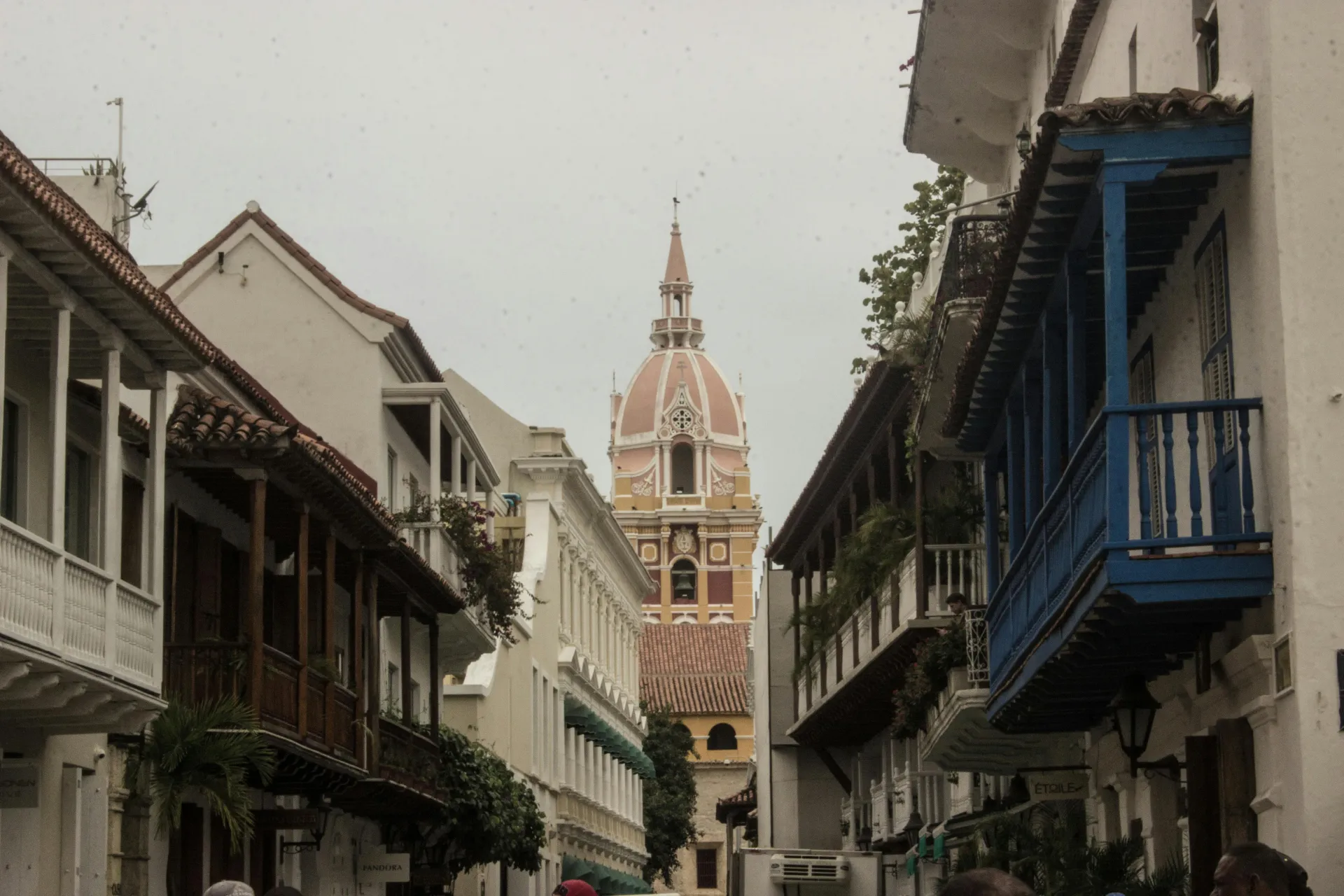
Cartagena de Indias casts a spell. Within its 400-year-old walls, Colombia's most beautiful city unfolds in cobblestoned streets, candy-colored colonial buildings, and flower-draped balconies that seem lifted from a Gabriel García Márquez novel—and indeed, the Nobel laureate drew inspiration from this magical place. The Caribbean laps at fortress walls once built to repel pirates. Salsa rhythms drift from doorways. The air smells of sea salt, tropical flowers, and frying arepas. Cartagena is romance, history, and heat in equal measure—a city that seduces before you've finished your first ceviche.
Why Cartagena Enchants
The Old City
The UNESCO-listed walled city is Latin America's best-preserved colonial center. Centuries of history survive in pastel facades, grand churches, hidden plazas, and the massive walls that ring the old town. Every corner reveals another photo, another story, another reason to slow down.
Caribbean Warmth
Not just the climate—though that's reliably tropical—but the people. Cartageneros are warm, proud, and welcoming. The Caribbean coast culture is more relaxed than interior Colombia, with African and indigenous influences mixing with Spanish colonial heritage.
Reinvention
Long dismissed as a backwater, Cartagena has transformed into a sophisticated destination with excellent restaurants, boutique hotels, and a thriving arts scene. The grit remains—this is still a working city—but the polish has arrived.
Gateway to Paradise
The Rosario Islands, with their clear Caribbean waters, lie 45 minutes away by boat. The colonial fortress of San Felipe guards the city. Day trips reach mangroves, beaches, and the dramatic Volcán del Totumo mud bath.
Cartagena's Heart: Must-Experience Places
The Walled City (Ciudad Amurallada)
The historic center divides into two sections within the walls: the Centro, with its grand plazas and churches, and San Diego, slightly quieter and more residential. Both reward aimless wandering.
#### Plaza de Bolívar
The heart of the old city, shaded by massive trees, surrounded by the Palace of the Inquisition, the Cathedral, and colonial mansions. Watch the world pass by; have your shoes shined; admire the Simón Bolívar statue.
#### Cathedral of Cartagena
The partially completed church took 200 years to build—started in 1577, finished in the 1600s, modified ever since. The bell tower offers rooftop views. The interior is surprisingly simple for such an ornate exterior.
#### Palace of the Inquisition
The baroque building now houses a museum covering the Inquisition's grim history in Cartagena. The torture instruments and execution methods are sobering; the architecture is magnificent.
#### Plaza Santo Domingo
The liveliest square in the old city, anchored by the Iglesia Santo Domingo and the iconic Botero sculpture "La Gorda Gertrudis." Restaurants and bars line the edges; music fills the air at night.
#### San Pedro Claver Church & Monastery
Dedicated to the "Apostle of the Slaves," who ministered to enslaved Africans arriving in Cartagena's slave market. The monastery is peaceful; the church holds his remains.
Getsemaní
Just outside the walls, this traditionally working-class neighborhood has become Cartagena's hippest barrio. Street art covers buildings. Boutique hotels occupy restored mansions. Rooftop bars and hostels create a younger, edgier scene than the polished Centro.
#### Plaza de la Trinidad
Getsemaní's heart, where locals gather on church steps, musicians play, and the neighborhood's soul is on display. Come in the evening when the heat breaks.
#### Street Art
Getsemaní's walls serve as an open-air gallery. Colorful murals—some political, some purely artistic—transform the neighborhood. Walking tours explore the art and the stories behind it.
The Walls & Fortifications
#### Las Murallas
The 11 kilometers of walls surrounding the old city are Cartagena's defining feature. Built over two centuries to protect Spanish treasure from pirates and rivals, they remain remarkably intact. Walk the ramparts at sunset for the classic Cartagena experience.
#### Castillo San Felipe de Barajas
The largest Spanish fort in the Americas sprawls across a hill outside the walls. Underground tunnels, massive walls, and strategic positions reveal colonial military engineering. The views over the city justify the climb.
#### Las Bóvedas
The vaulted chambers built into the walls now house tourist shops—not the most authentic experience, but the architecture impresses. Originally dungeons and storage, now handicrafts and souvenirs.
Bocagrande & The Modern City
The high-rise beach district feels like Miami transplanted to Colombia. Hotels and condos line the narrow beach. It's not charming like the old city, but the beach is convenient, and some excellent restaurants are found here.
La Popa Monastery
The highest point in Cartagena, this 17th-century monastery offers panoramic views over the city, bay, and surrounding area. The chapel is simple; the vistas are extraordinary. Taxi up; it's not safe to walk.
Where to Eat
Fine Dining
- Carmen - Modern Colombian, romantic setting, considered Cartagena's best
- Celele - Local ingredients elevated, tasting menus, cutting-edge cuisine
- La Vitrola - Cuban-inspired elegance, live music, old-school glamour
- Alma - Hotel Tcherassi's restaurant, Mediterranean-Colombian fusion
Seafood & Ceviche
- La Cevichería - The famous ceviche spot, small, always packed, worth the wait
- El Boliche - Local favorite for ceviche and fried fish
- Restaurante Candé - Traditional Caribbean seafood, Getsemaní location
- Club de Pesca - Waterfront setting at the Yacht Club, excellent seafood
Traditional Colombian
- La Cocina de Pepina - Caribbean home cooking, beloved by locals and visitors
- Espíritu Santo - Elegant setting, traditional dishes updated
- Restaurante Interno - Social enterprise restaurant inside a women's prison, powerful experience, excellent food
Casual & Street Food
- Portal de los Dulces - Sweet vendors in an arcade, traditional candies
- Donde Fidel - Salsa bar with good food, local institution
- La Palettería - Artisanal popsicles, perfect for the heat
- Arepas everywhere - Street vendors sell corn cakes stuffed with egg, cheese, meat
Getsemaní Scene
- Demente - Tapas and cocktails, great atmosphere
- El Arsenal - Rooftop bar with craft cocktails
- Café del Mural - Coffee and light food surrounded by street art
Where to Drink
Rooftops & Views
- El Balcón - Perfect old city rooftop, sunset essential
- Townhouse Rooftop - Popular scene, DJ weekends
- Movich Hotel Rooftop - Modern city views
Cocktails & Wine
- Alquímico - Multi-level cocktail destination, three different bars in one building
- El Barón - Sophisticated tapas and cocktails
- Epoca - Wine bar in beautiful colonial space
Salsa & Nightlife
- Café Havana - The legendary salsa club, live music, dancing until late
- Donde Fidel - More accessible salsa scene, friendly for beginners
- Bazurto Social Club - Live champeta and Caribbean music, local crowd
Local Experience
- Quiebra Canto - Getsemaní institution, cold beer, unpretentious
- La Jugada - Cocktails and conversation in San Diego
- Beer lovers - Colombian craft beer scene is growing; several bars feature local brews
Where to Stay
Luxury in the Old City
- Sofitel Legend Santa Clara - Former convent, colonial grandeur, pool and spa
- Hotel Casa San Agustín - Boutique perfection, rooftop pool, impeccable service
- Tcherassi Hotel + Spa - Fashion designer's vision, contemporary luxury
- Casa Pestagua - Boutique hotel in a stunning mansion
Boutique & Mid-Range
- Amarla Boutique Hotel - Getsemaní charm, rooftop pool
- Hotel LM - Design-forward, excellent location
- Casa Claver Loft Hotel - Modern in the old city
- Bantu Hotel - Getsemaní, African-influenced design, social atmosphere
Getsemaní Character
- Casa Lola - Colorful boutique, local neighborhood feel
- Life is Good Hostel - Social scene, private rooms available
- Selina Cartagena - Co-working and hostel hybrid
Bocagrande (Beach)
- Hotel Caribe - Historic beachfront property
- Hyatt Regency - Modern reliability on the beach
- Various apartment rentals - Good for families or longer stays
Practical Wisdom
Getting Around
Walking - The old city and Getsemaní are entirely walkable. Heat is the main challenge; go slow, stay hydrated.
Taxis - Plentiful and cheap. Agree on price before entering (no meters). From airport to old city: ~$15-20.
Uber - Works in Cartagena, often easier than negotiating taxi prices.
Within the Walls - No cars allowed in much of the old city. Walking is the only option—and the pleasure.
When to Visit
- December-April - Dry season, peak tourism, highest prices. Christmas through January is busiest.
- May-November - Wet season, afternoon showers common but usually brief. Fewer crowds, better prices.
- November - Independence celebrations (November 11) mean parties but crowds.
The Heat
Cartagena is hot. Average temperatures hover around 30°C (86°F) year-round with high humidity. Strategies:
- Start early, rest midday, emerge in late afternoon
- Stay hydrated constantly
- Seek shade and air conditioning
- Dress light; bring a hat
- Evening is the most pleasant time
Safety
Cartagena is generally safe for tourists, but:
- Petty theft exists; watch valuables in crowds
- Don't flash expensive items
- Take taxis at night rather than walking isolated streets
- Some beaches outside the main areas require caution
- Use common sense; most visitors experience no problems
Money
Colombian peso (COP). ATMs abundant; credit cards widely accepted in tourist areas. Cash needed for street food, small vendors, and tipping.
Tipping
10% at restaurants is standard (often added automatically as "propina"). Small tips for guides, taxi drivers appreciated.
Language
Spanish. English is common in tourist areas but less so in local neighborhoods. Basic Spanish helps enormously and is warmly received.
Suggested Itineraries
3 Days: Essential Cartagena
Day 1: Walled city exploration—Plaza de Bolívar, Cathedral, San Pedro Claver, walking the walls at sunset. Dinner at La Vitrola or Carmen.
Day 2: Castillo San Felipe morning, Getsemaní street art walk, afternoon ceviche, evening salsa at Café Havana
Day 3: Rosario Islands day trip—beaches, snorkeling, seafood lunch. Return for old city evening.
5 Days: Complete Cartagena
Add: Volcán del Totumo mud bath, La Popa Monastery, cooking class, deeper neighborhood exploration, beach time, more serious eating and drinking
7+ Days: Cartagena & Beyond
Add: Islas del Rosario overnight, Santa Marta and Tayrona National Park (5 hours), coffee region excursion, or combine with Medellín
Day Trips & Excursions
Islas del Rosario
This archipelago of coral islands offers the Caribbean beach experience: clear water, snorkeling, seafood lunch on the beach. Day trips are common; overnight stays possible on several islands. Boat from the old city's pier takes 45 minutes to an hour.
Playa Blanca
The most popular mainland beach, on Barú Peninsula. White sand, blue water, beach restaurants. Can be combined with Rosario Islands or visited independently. Gets crowded; vendors are persistent.
Volcán del Totumo
A small mud volcano where you float in warm mud—supposedly therapeutic, definitely memorable. The experience is brief but fun. Usually combined with other stops; about an hour from the city.
La Boquilla
A fishing village north of the city, known for mangrove kayaking tours and traditional Afro-Colombian culture. Canoe through tunnels of mangroves; enjoy fried fish on the beach.
San Basilio de Palenque
The first free slave town in the Americas (established 1603) maintains Afro-Colombian traditions. Day trips offer cultural immersion, music, and history. UNESCO-recognized.
Understanding Cartagena's History
Colonial Era
Founded in 1533, Cartagena became Spain's key Caribbean port—where gold and silver from the Americas shipped to Europe, and enslaved Africans arrived for labor across the colonies. The wealth built the churches and mansions; the walls defended against pirates.
The Walls
Repeated attacks—including Francis Drake's sacking in 1586—prompted the massive fortification project. The walls, forts, and underwater barriers took two centuries to complete and successfully repelled a British fleet of 186 ships in 1741.
Independence
Cartagena was among the first Colombian cities to declare independence from Spain (1811). The subsequent battles and political struggles shaped modern Colombia.
African Heritage
Cartagena was the main slave port for South America. The Afro-Colombian influence—in music, food, culture, and population—remains central to the city's identity.
The Food of Cartagena
Caribbean Flavors
Cartagena's cuisine blends African, indigenous, and Spanish influences:
- Ceviche - Fresh fish or shrimp "cooked" in lime, often with coconut
- Arroz con coco - Coconut rice, served with everything
- Pescado frito - Whole fried fish, beach-style
- Patacones - Twice-fried plantain slices
- Arepas de huevo - Corn cakes stuffed with egg
Fruit Paradise
Tropical fruits you've never heard of appear in juices and on street corners:
- Lulo - Tart, orange, unique to the region
- Maracuyá - Passion fruit
- Níspero - Sweet sapodilla
- Corozo - Deep red, used in juice
Street Food Culture
Palenqueras—women in traditional dress balancing fruit baskets—are iconic. Street vendors sell arepas, empanadas, and tropical fruits. The Portal de los Dulces specializes in traditional sweets.
Final Thoughts
Cartagena exists in layers. The surface is obvious—the photogenic colonial buildings, the Instagram balconies, the resort experience. But beneath lies a city with deep history, persistent inequality, and genuine Caribbean soul. The descendants of enslaved people live alongside the mansions of colonial wealth. The working harbor operates amid the tourist attractions.
Engaging with Cartagena honestly means seeing both. Walk the walls and visit San Basilio de Palenque. Stay in a boutique hotel and eat ceviche from a street vendor. Learn about the Inquisition and dance salsa until 3am. The city's beauty isn't diminished by its complexity—it's enriched.
Come ready for heat, for color, for the Caribbean rhythm that pulses through everything. Let the old city slow you down. Let the music move you. Let the warmth—of the climate and the people—seep in. Cartagena has been seducing visitors for centuries, and it knows exactly what it's doing. Surrender to it.
Ready to experience Cartagena? Our Colombia specialists can arrange boutique hotel stays, island excursions, and help you discover the Caribbean soul behind those colonial walls.