Bali: Island of the Gods
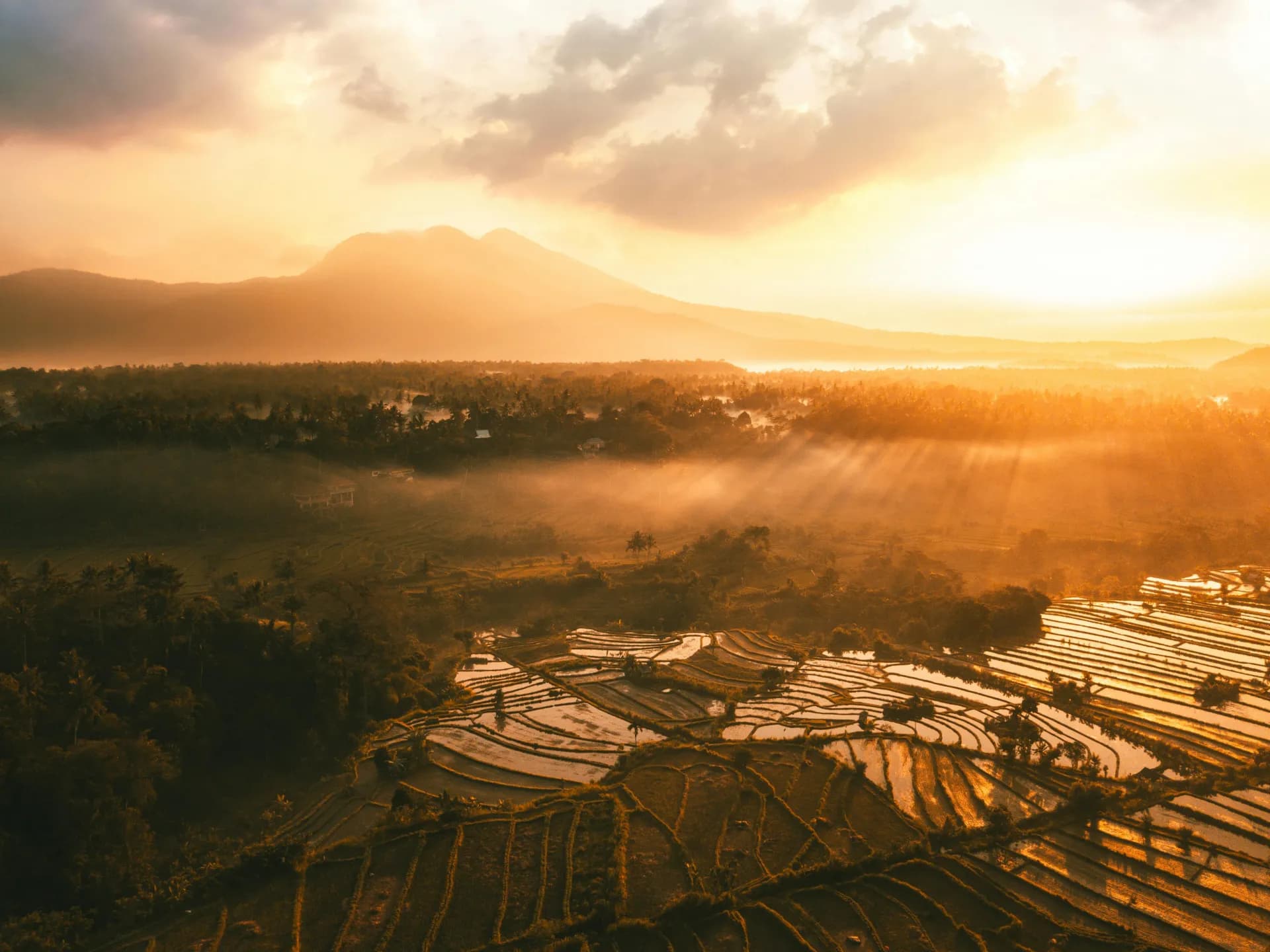
Bali has earned its mythology. This small Indonesian island—about the size of Delaware—packs Hindu temples, emerald rice terraces, world-class surf breaks, and a spiritual atmosphere that draws millions seeking everything from enlightenment to Instagram photos. Despite the crowds, Bali delivers: the culture runs deep, the landscapes mesmerize, and the value proposition remains strong for travelers willing to explore beyond the well-worn paths1.
Understanding Bali
Why Bali Captivates
- Unique Hindu culture in predominantly Muslim Indonesia
- Stunning rice terrace landscapes
- World-class surfing and diving
- Yoga and wellness capital of Southeast Asia
- Exceptional value for luxury experiences
- Vibrant arts and craft traditions
- Dramatic volcanic landscapes
- Warm hospitality and gentle people
The Regions
South Bali: Seminyak, Kuta, Canggu, Uluwatu—beaches, surf, nightlife, resorts.
Ubud & Central Bali: Rice terraces, temples, yoga, arts, monkey forest.
East Bali: Amed, Sidemen—quieter, traditional, diving, Mount Agung.
North Bali: Lovina—black sand beaches, dolphins, cooler pace.
Nusa Islands: Penida, Lembongan, Ceningan—offshore escapes2.
Best Time to Visit
Dry Season (April-October)
- Best weather for beaches and activities
- June-September peak tourist season
- Higher prices, larger crowds
- Best diving visibility
- Optimal surf conditions vary by coast
Wet Season (November-March)
- Afternoon rains (usually 1-3 hours)
- Mornings often clear
- Lush, green landscapes
- Lower prices, fewer tourists
- Some surf spots better
- Humidity higher
Year-Round Constants
- Warm temperatures (27-30°C) throughout
- Hindu ceremonies happen constantly—join in
- Avoid Christmas/New Year and Chinese New Year peaks
- Book Ubud and popular villas well ahead
Ubud: Cultural Heart
Why Ubud Matters
This inland town is Bali's spiritual and artistic center—rice terraces, temples, yoga studios, and traditional arts. The Elizabeth Gilbert Eat, Pray, Love effect brought hordes, but the magic persists in surrounding villages3.
Essential Ubud
Sacred Monkey Forest Sanctuary: Temple complex with macaques. The monkeys are wild—secure belongings, don't smile (showing teeth is aggressive), follow guide rules4.
Tegallalang Rice Terraces: The iconic cascading paddies. Arrive at opening (8 AM) or late afternoon for best light and fewer crowds. Donation requested.
Ubud Palace: Royal residence with free evening dance performances.
Traditional Dance: Legong, Barong, and Kecak fire dances performed nightly at various venues. Kecak at Uluwatu temple is most dramatic.
Art Museums: ARMA, Neka, and Puri Lukisan showcase Balinese art from traditional to contemporary.
Yoga: Ubud is Southeast Asia's yoga capital. Yoga Barn, Radiantly Alive, and dozens more offer daily classes5.
Beyond Ubud Town
Tirta Empul: Holy spring temple where Balinese perform purification rituals. Visitors can participate respectfully (sarong required, proper behavior essential).
Gunung Kawi: 11th-century rock-cut shrines. Dramatic setting, fewer tourists than major sites.
Campuhan Ridge Walk: Morning walk along a narrow ridge with views over palm jungle. Start early to beat heat.
Jatiluwih Rice Terraces: UNESCO-listed terraces, less crowded than Tegallalang, cycling tours available6.
South Bali Beaches
The Main Areas
Seminyak: Upscale beach clubs, boutique hotels, dining, and nightlife. Sophisticated but busy.
Kuta: The original tourist beach—cheap, crowded, party-focused. Surf lessons for beginners.
Canggu: Surf culture, hipster cafes, digital nomads. Rapidly developing. Echo Beach, Batu Bolong, Berawa.
Uluwatu: Clifftop temples and world-class surf breaks. Luxury cliff resorts. More remote feel7.
Sanur: East-facing beach town, calmer waters, sunrise orientation. Family-friendly, less party.
Beach Clubs
South Bali pioneered the beach club concept—day beds, pools, cocktails, and sunset DJs:
- Potato Head (Seminyak): Design-forward, sustainable focus
- Ku De Ta (Seminyak): The original
- Finns Beach Club (Canggu): Family-friendly option
- Single Fin (Uluwatu): Clifftop sunset sessions
Uluwatu Temple
One of Bali's six key sea temples perched on a 70-meter cliff:
The setting: Monkeys roam (more aggressive than Ubud—secure everything).
Kecak dance: Evening performances at sunset with ocean backdrop are genuinely spectacular. Book ahead or arrive early for good seats8.
Surfing Bali
Why Surfers Love Bali
Consistent waves year-round, warm water, cheap lessons, and every skill level accommodated:
Beginners: Kuta Beach, Batu Bolong (Canggu), Sanur (on the right days)
Intermediate: Canggu reef breaks (Berawa, Old Man's), Medewi (longboard point break)
Advanced: Uluwatu (various breaks), Padang Padang, Keramas (Komune)
Best season: Dry season (April-October) for west coast breaks. Wet season for east coast.
Surf Schools & Camps
Bali has endless options:
- Pro Surf School (Kuta)
- Odyssey Surf School (Kuta/Canggu)
- Surf camps with accommodation packages
- Private lessons (book through hotels)
Temples & Spirituality
The Hindu Island
Bali is 90% Hindu in a country that's 87% Muslim, creating a unique spiritual atmosphere:
Daily offerings (canang sari): Small woven baskets with flowers and incense placed everywhere—don't step on them.
Temples (pura): Over 20,000 temples. Major ones charge entry; village temples often free.
Ceremonies: Constant throughout the island. Witness respectfully; participation sometimes welcomed.
Key Temples
Tanah Lot: Sea temple on a tidal island. Spectacular sunset location, very crowded9.
Uluwatu: Clifftop location (see above).
Besakih: "Mother Temple" on Mount Agung. Largest and most important. Aggressive guide offers—decline politely, official tickets only.
Tirta Empul: Purification temple (see Ubud section).
Ulun Danu Beratan: Lake temple, iconic calendar image.
Temple Etiquette
- Sarong and sash required (usually available to borrow)
- No entry during menstruation (traditional belief, enforced at some temples)
- Don't stand higher than shrines or priests
- Ask before photographing ceremonies
- Dress modestly (shoulders and knees covered)
Nusa Islands
Off-Bali Escapes
Three islands southeast of Bali offer dramatic landscapes with fewer crowds:
Nusa Penida: Largest island with dramatic cliffs, Kelingking Beach (T-Rex cliff), Crystal Bay, manta ray diving10.
Nusa Lembongan: Closest to mainland, good beaches, surf break, day-trippable from Sanur.
Nusa Ceningan: Small island connected to Lembongan by bridge. Cliff jumping, quiet atmosphere.
Getting there: Fast boats from Sanur (30-45 minutes). Book round-trip.
Note: Nusa Penida roads are challenging—rent scooters only if experienced; car with driver recommended.
Diving & Snorkeling
World-Class Sites
Bali offers excellent underwater experiences:
Tulamben (East Bali): USAT Liberty wreck, shore diving, night diving. Easy access, suitable for beginners11.
Amed: Coral gardens, Japanese wreck, relaxed diving.
Nusa Penida/Lembongan: Manta rays (Manta Point), mola mola (ocean sunfish) season July-October, drift diving.
Menjangan Island (West Bali): Pristine walls, calm conditions, excellent visibility.
Snorkeling
Best snorkeling:
- Blue Lagoon (Padang Bai)
- Amed coast
- Nusa Lembongan/Penida
- Menjangan Island
Mount Batur Sunrise
The Classic Trek
Bali's most popular sunrise hike—climb an active volcano to watch dawn over the island:
The experience:
- 2 AM departure from hotels
- 2-hour hike (moderate difficulty)
- Sunrise from the crater rim
- Breakfast (eggs cooked in volcanic steam)
- Return by late morning
Booking: Guides mandatory (village regulation). Book through hotels or tour operators. Prices vary—negotiate12.
Alternatives: Mount Agung (harder, full day), Mount Batukaru (less crowded, forest setting).
Practical Information
Getting There & Around
Flights: Ngurah Rai Airport (Denpasar) serves international destinations. Direct flights from Australia, Asia, Middle East; connections from Europe and Americas.
Within Bali: Traffic is notorious. Options:
- Private driver: Most efficient for day trips ($40-60/day)
- Scooter rental: Common but risky—traffic is chaotic, insurance often void
- Grab/Gojek: Ride-hailing apps work but face restrictions in some areas
- Taxis: Blue Bird is reliable metered company
To Nusa Islands: Fast boats from Sanur (book online).
Costs
Bali offers remarkable value for quality:
- Budget: $30-50/day (guesthouses, warungs, transport)
- Mid-range: $80-150/day (boutique hotels, good restaurants, activities)
- Luxury: $200-500/day (villas with pools, fine dining, spa treatments)
Note: South Bali beach clubs and upscale areas approach Western prices.
Currency
Indonesian Rupiah (IDR). Approximately 15,500 IDR = $1 USD. ATMs everywhere. Cash preferred for small purchases, cards accepted at established businesses.
Visas
Most nationalities receive 30-day visa on arrival (free or ~$35 depending on nationality). Extendable for another 30 days. Check current requirements.
Health & Safety
- Tap water: Not safe—drink bottled
- Bali belly: Common—be cautious with street food initially
- Mosquitoes: Dengue risk exists—use repellent
- Traffic: Leading cause of tourist injuries—exercise extreme caution
- Monkeys: Cute but thieving and occasionally aggressive
- Ocean: Rip currents common—swim at guarded beaches
Etiquette
- Don't touch people's heads (spiritually important)
- Point with thumb, not forefinger
- Accept/give with right hand
- Dress modestly at temples
- Remove shoes when entering homes
Sample Itineraries
Classic Bali (10 Days)
- Ubud (4 days): Rice terraces, monkey forest, temples, yoga
- Seminyak/Canggu (3 days): Beaches, beach clubs, surf
- Nusa Islands (2 days): Penida or Lembongan
- Uluwatu (1 day): Temple, sunset Kecak
Cultural Focus (7 Days)
- Ubud (4 days): Full exploration, ceremonies, arts
- Sidemen/East Bali (2 days): Quiet villages, rice terraces
- Day trip: Mount Batur sunrise
Active Adventure (10 Days)
- Canggu (3 days): Surf lessons, beach life
- Ubud (2 days): Culture and trekking
- Nusa Penida (2 days): Diving/snorkeling, exploration
- Amed (2 days): Diving, Mount Agung views
- Uluwatu (1 day): Advanced surf or cliffs
Final Thoughts
Bali struggles under the weight of its own success—traffic chokes the south, Instagram poses block temple views, and overtourism strains infrastructure. Yet the essence persists: the morning offerings placed on traffic-jammed streets, the gamelan music drifting from village ceremonies, the genuine warmth of Balinese people who share their island despite everything. Get out of Seminyak, wake early for empty rice terraces, attend a temple ceremony, and Bali reveals why it's earned the name Island of the Gods. The magic is real—you just need to look past the hashtags.
Ready for Bali? Our Indonesia specialists can design your perfect island escape from temples to surf breaks.
---
Balinese Culture Deep Dive
The Religion
Balinese Hinduism differs significantly from Indian Hinduism, incorporating animist and Buddhist elements:
Daily offerings (canang sari): Small woven baskets with flowers, rice, and incense placed everywhere—doorsteps, cars, shrines. Created fresh daily. Don't step on them.
Ceremonies: Balinese life revolves around ceremonies. Birth, coming-of-age, marriage, and death rituals follow intricate traditions. Temple ceremonies (odalan) occur constantly throughout the island.
The supernatural: Balinese believe in maintaining balance between good and evil forces. Demons and spirits are taken seriously; offerings appease both.
Traditional Arts
Bali's artistic traditions remain vital, not museum pieces:
Dance: Legong (graceful court dance), Barong (good vs. evil drama), Kecak (fire dance with monkey chant), and Pendet (welcome dance) are performed regularly. The Ubud Palace hosts free nightly performances.
Music: Gamelan orchestras accompany ceremonies and performances. The metallic, shimmering sound is quintessentially Balinese.
Painting: From traditional Kamasan style to modern Balinese art, the island supports thousands of artists. The Neka and ARMA museums in Ubud showcase the evolution.
Crafts: Woodcarving (Mas village), silver work (Celuk), and batik (throughout) remain active industries.
Nyepi: Day of Silence
Bali's most unique holiday occurs annually (usually March):
What happens: The entire island shuts down for 24 hours. No lights, no noise, no leaving home, no work—even the airport closes. Tourists must stay in hotels.
Why: Nyepi follows a day of dramatic ogoh-ogoh parades with papier-mâché demons paraded through villages, then burned. The silence following tricks evil spirits into thinking the island is uninhabited.
Experience: Witnessing Nyepi is extraordinary—stars visible from Seminyak, silence across the island, genuine spiritual atmosphere.
Responsible Travel
Overtourism Challenges
Bali faces serious environmental and cultural pressures:
Water crisis: Overdevelopment strains water resources. Hotels with pools use enormous amounts; groundwater is being depleted.
Traffic: South Bali's traffic is legendarily terrible. Plan accordingly.
Temple respect: Many visitors ignore dress codes and behavioral expectations. Be part of the solution.
Supporting Local Communities
Stay at locally-owned accommodations when possible rather than international chains.
Eat at warungs (local restaurants) rather than only Western establishments.
Hire local guides for temple visits and cultural experiences.
Attend village ceremonies when invited—respectfully and following all protocols.
Purchase authentic crafts from artisans rather than mass-produced souvenirs.
Sources
3. Ubud Village